

Have you ever wondered how long a bird can survive without food or water? It’s a fascinating question that taps into the resilience of nature and the survival instincts that birds possess.
Whether you’re a bird enthusiast, a pet owner, or simply curious about the natural world, understanding the limits of a bird’s endurance is both intriguing and important. You’ll discover surprising facts about bird biology and their ability to withstand harsh conditions.
You’ll learn about the factors that affect their survival, from species differences to environmental conditions. Plus, we’ll delve into what happens to a bird’s body when it faces food and water scarcity. Stay with us as we uncover the secrets behind a bird’s survival, offering you insights that might just change how you view these feathered creatures. Keep reading to satisfy your curiosity and deepen your appreciation for the remarkable adaptability of birds.
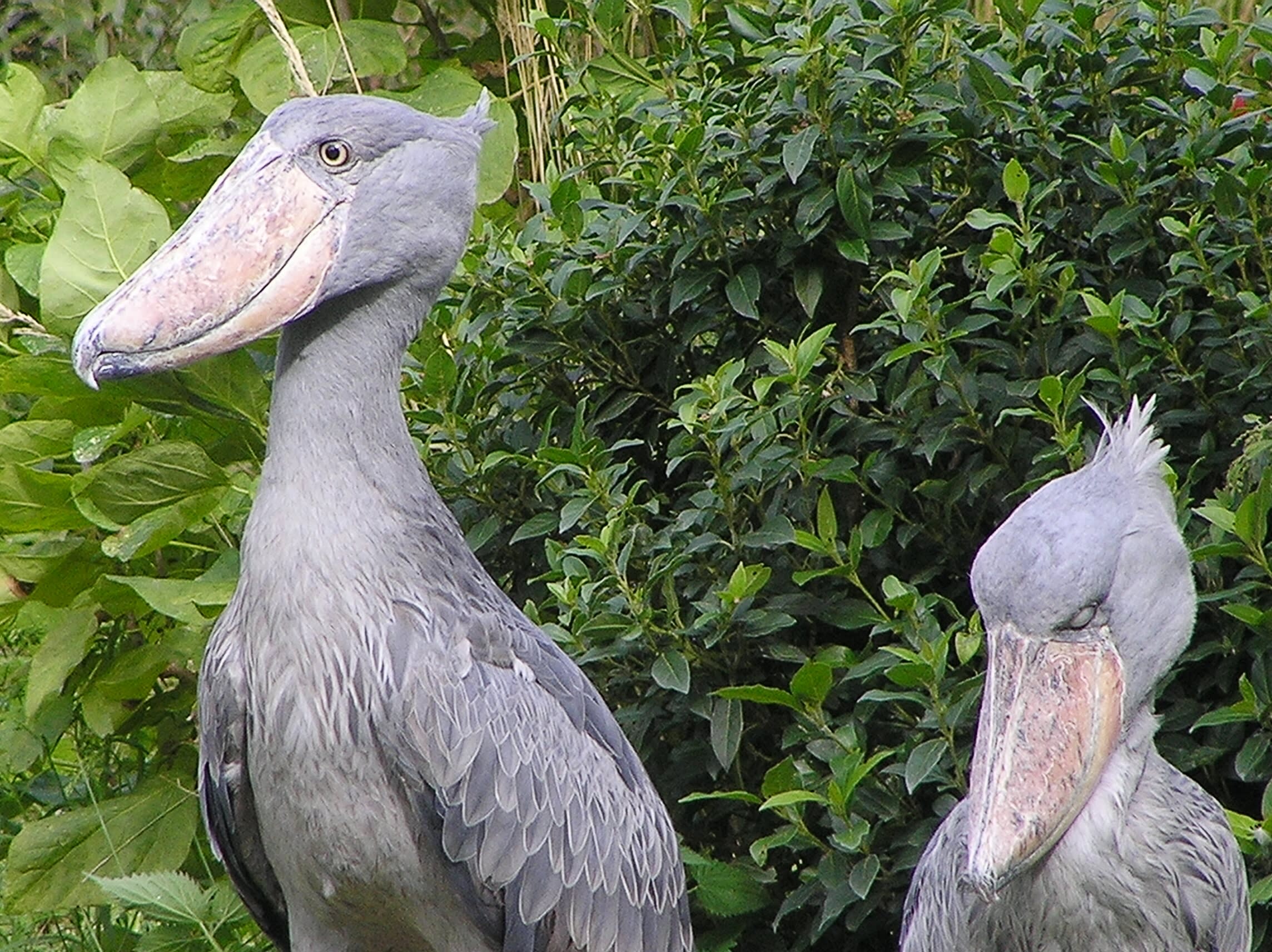
Credit: owlcation.com
Bird Survival Basics
Understanding bird survival basics is key to knowing how long a bird can live without food or water. Birds have unique biological needs that influence their endurance. Recognizing these needs helps you appreciate the challenges they face in the wild or in captivity.
Metabolism And Energy Needs
Birds have a fast metabolism, which means they burn energy quickly. Small birds, like hummingbirds, can burn half their body weight in energy each day. This rapid energy use means they need to eat frequently to stay alive and active.
Think about a time you skipped meals and felt weak or dizzy. Birds experience this much faster because their bodies require constant fuel. Without food, their energy reserves drop quickly, affecting their ability to fly and evade predators.
Different species handle energy shortages differently. For instance, larger birds like hawks can survive longer without food by slowing their metabolism. Yet, no bird can go without food indefinitely. How long do you think your pet bird could last without a meal?
Water Requirements
Water is just as vital as food for birds. They lose water rapidly through breathing and excretion, especially in hot weather. Without regular water intake, dehydration sets in quickly.
Some desert birds have adapted to survive with minimal water by extracting moisture from their food. However, most birds need daily access to fresh water to survive. Providing clean water is crucial if you care for birds at home.
Have you ever noticed birds drinking early in the morning or late in the evening? This behavior helps them stay hydrated while avoiding the heat of the day. Water availability often limits how long a bird can survive without direct drinking sources.
Timeframes Without Food
Understanding how long a bird can survive without food is crucial, especially if you care for one or encounter a wild bird in distress. Birds have different survival strategies that allow them to endure periods of food scarcity. Knowing these timeframes helps you recognize when a bird truly needs help and when it might be managing on its own.
Short-term Fasting Effects
Birds can often handle short-term fasting better than you might expect. During the first 24 to 48 hours without food, many birds rely on stored fat reserves to keep energy levels stable. However, you may notice signs like reduced activity and increased rest as the bird conserves energy.
Fasting beyond two days can start to affect muscle mass and overall health. Birds might become weaker and less responsive, which puts them at higher risk from predators or environmental stress. If you see a bird looking lethargic or thin, it’s a clear sign that fasting is taking a toll.
Species Variations
Different bird species handle food deprivation in unique ways. Smaller birds like hummingbirds have very high metabolisms and can only survive a few hours without feeding. On the other hand, larger birds such as pigeons or crows might last several days by using their fat stores more efficiently.
Some migratory birds prepare for long flights by building up fat layers that allow them to fast for extended periods. These birds can survive up to a week or more without eating, depending on conditions. Understanding your bird’s species helps you estimate how long it can safely go without food.
Timeframes Without Water
Birds need water to survive just like any other living creature. Without water, their bodies start to suffer quickly. The time a bird can live without water depends on many things. Some birds can last longer than others. Understanding these timeframes helps in caring for birds properly.
Dehydration Impact
Dehydration affects birds very fast. Their small bodies lose water quickly. Signs of dehydration include dry skin and weak muscles. Birds also stop eating and become less active. If dehydration lasts too long, it can cause organ failure. Death can happen within a few days without water.
Environmental Factors
Hot and dry weather makes dehydration worse. Birds lose water faster in heat. Cold weather can slow water loss but does not stop it. Birds in humid places may survive longer without water. Availability of food with water content also helps. Different bird species adapt to different environments, affecting their survival time.

Credit: www.chewy.com
Survival Adaptations
Birds have evolved unique survival adaptations to endure periods without food or water. These adaptations help them conserve energy and maintain vital functions during tough times. Understanding these strategies reveals how birds survive in harsh environments.
Behavioral Strategies
Birds use clever behaviors to reduce their need for food and water. Many stay still and rest to save energy. Some seek shade or cooler spots to avoid heat stress. Others reduce activity during the hottest parts of the day. Migratory birds time their travels to avoid scarce food periods. Social birds may share resources, improving survival chances. These behaviors help birds stretch their limited energy and water reserves.
Physiological Mechanisms
Birds also rely on internal body functions to survive without food or water. Their metabolism slows down to conserve energy. Some birds store fat that can be used later for fuel. They can reabsorb water from waste, minimizing water loss. Birds have efficient kidneys that reduce dehydration risk. Certain species tolerate higher levels of dehydration than mammals. These body adaptations allow birds to survive longer without eating or drinking.

Credit: www.reddit.com
Frequently Asked Questions
How Long Can Birds Survive Without Food?
Birds can typically survive without food for about 1 to 3 days. This depends on their species, size, and health. Smaller birds have less fat storage and survive shorter periods than larger ones.
Can Birds Live Without Water For Days?
Most birds can survive without water for 1 to 2 days. They get some moisture from food, but dehydration sets in quickly without fresh water. Survival time varies by species and environment.
What Happens To Birds When They Lack Food?
Without food, birds lose energy and become weak quickly. Their immune system weakens, making them vulnerable to diseases. Prolonged starvation can lead to death within days, depending on species and conditions.
Do All Birds Need Water Daily?
Yes, most birds require daily water intake for hydration and digestion. Some species get moisture from their diet, but fresh water is essential for survival and overall health.
Conclusion
Birds need food and water daily to stay healthy and strong. Most birds cannot live more than a few days without water. Some can survive longer without food but only for a short time. Small birds lose energy quickly and need constant care.
Providing fresh water and proper food helps birds live longer. Knowing these facts helps us protect and care for birds better. Always watch for signs when a bird looks weak or thirsty. Keeping birds safe means giving them what they need every day.