

Have you ever paused to admire the majestic flight of an eagle, soaring gracefully through the sky? These powerful birds captivate our imaginations with their strength and beauty.
But have you ever wondered how far an eagle will travel to gather nest material? This question might surprise you with its complexity. Eagles are not just about impressive wingspans and keen eyes; they are also diligent and meticulous nest builders.
You might be curious to know how much effort they invest in crafting their homes. In this blog post, you’ll discover the fascinating world of eagles and the lengths they go to ensure their nests are perfect. Prepare to be amazed by their dedication and what it reveals about these incredible creatures. Dive in, and let’s explore the journey of an eagle’s quest for the ideal nest material.
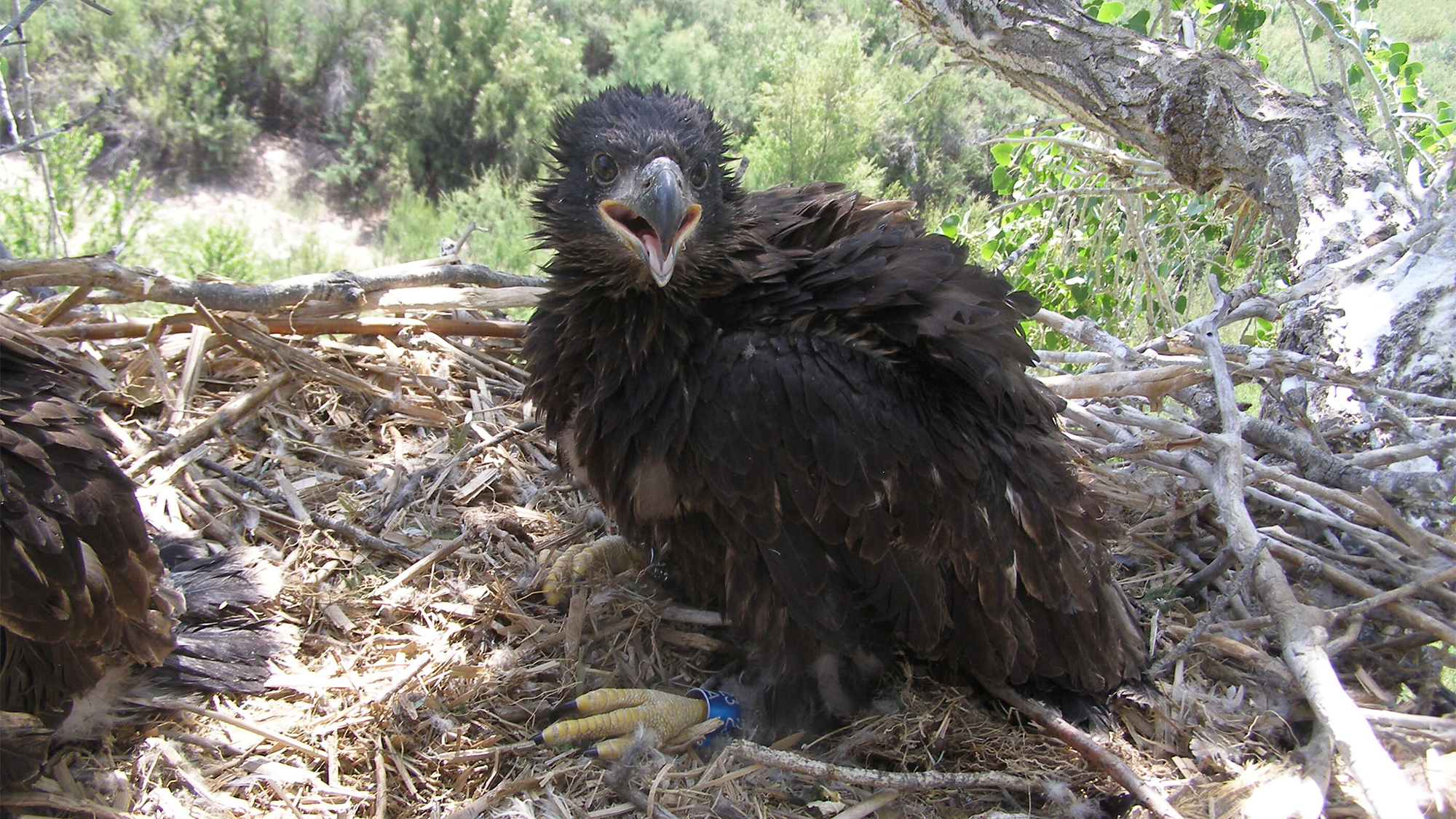
Credit: www.popsci.com
Eagle Nesting Habits
Eagles are fascinating builders, and understanding their nesting habits reveals how far they will go to secure the perfect home. These majestic birds don’t just settle for any spot or material; they carefully select every element to create a safe space for their young. Observing their nesting behavior can change how you see these powerful hunters, showing you their softer, more nurturing side.
Types Of Nest Materials
Eagles use a variety of materials to build their nests, often depending on what’s available nearby. They commonly gather:
- Sturdy sticks and branches for the main structure
- Soft grasses and mosses to line the inside
- Leaves and feathers for extra cushioning
- Occasionally, they add animal fur or even seaweed near coastal areas
These choices aren’t random. The sticks provide strength, while the softer items keep the eggs warm and protected. You might be surprised to learn that an eagle’s nest can weigh over a ton when fully built!
Nest Construction Process
The construction of an eagle’s nest is a patient and ongoing effort. Eagles often reuse the same nest year after year, adding new material each season to maintain and expand it. This means they might fly miles to find fresh sticks or softer lining materials.
Watching an eagle carry a branch almost twice its size is a powerful reminder of their determination. They carefully position each stick to ensure the nest is stable and well-balanced. Have you ever wondered how such large birds manage to build such precise homes without dropping materials?
By understanding their nesting habits, you gain insight into the lengths eagles will go to protect their young. Next time you spot an eagle soaring high, think about the effort behind that nest perched far above the ground.
Distance Eagles Travel
Eagles are known for their powerful flight and keen eyesight. They travel varying distances to collect materials for their nests. The distance depends on the availability of suitable materials and environmental conditions. Understanding how far eagles fly reveals their dedication to building a safe home.
Typical Range For Nest Material
Most eagles fly within a few miles from their nest to find materials. Usually, this range is between 1 and 5 miles. Some eagles may travel up to 10 miles if needed. They prefer to find branches, twigs, and leaves nearby to save energy. Short trips help them gather materials quickly and return to their nest.
Factors Influencing Travel Distance
- Availability of materials nearby
- Type of materials needed
- Weather and wind conditions
- Time of year or breeding season
- Safety from predators or human activity
When materials are scarce, eagles must fly farther. Strong winds or bad weather can also limit how far they go. Eagles balance the need for good materials with the energy it takes to fly. They often choose safer, closer spots to reduce risk.
Surprising Long-distance Flights
Eagles are known for their impressive flying skills, but how far will they really travel to gather materials for their nests? You might be surprised to learn that these birds often embark on long journeys that stretch well beyond their usual hunting grounds. Understanding these flights sheds light on the eagle’s determination and the specific needs driving their behavior.
Record-breaking Journeys
Some eagles have been tracked flying over 20 miles to collect the perfect stick or twig for their nests. This distance varies depending on the availability of suitable materials nearby. In one striking case, a bald eagle was recorded traveling nearly 30 miles to find a specific type of branch, demonstrating their willingness to cover vast distances.
These long flights are not just about distance but also about quality. Eagles prefer strong, flexible branches that can withstand the weather and support the weight of their young. If such materials are scarce locally, they won’t hesitate to fly far to find what they need.
Why Eagles Travel Far
Why would an eagle choose to fly miles instead of using nearby materials? It boils down to survival and nest success. You want your nest to be sturdy and safe, and eagles think the same way. They carefully select materials that will protect their eggs and chicks from predators and harsh weather conditions.
Sometimes, local resources are simply not enough. Human activity, deforestation, or natural changes can reduce the availability of good nesting materials. This forces eagles to expand their search area. Have you ever considered how human choices impact wildlife behavior in your area?
Next time you see an eagle soaring high, think about the incredible effort it might be making to build a safe home. Their long-distance flights remind us how much they invest in their families’ future.

Credit: www.raptorresource.org
Impact On Eagle Behavior
The distance an eagle flies to gather nest material greatly affects its behavior. Eagles balance the need for strong nests with the energy spent searching. This effort impacts their daily routines and overall health. Observing these changes helps us understand their survival strategies better.
Energy Expenditure
Eagles use a lot of energy flying long distances for nest material. The farther they fly, the more calories they burn. This can limit their time for hunting and resting. Energy spent on flying means less energy for other vital activities. Eagles must carefully choose where to find materials to save energy.
Effects On Reproduction Success
The effort to collect nest material affects eagle reproduction. More energy spent on flying can reduce the energy for egg production. It may also lower the care given to eggs and chicks. A well-built nest increases chick survival but takes more effort. Eagles face a trade-off between nest quality and reproductive success.

Credit: en.wikipedia.org
Frequently Asked Questions
How Far Do Eagles Travel For Nest Materials?
Eagles can travel several miles to find suitable nest materials. They prioritize availability and safety over distance when selecting resources. Typically, they collect twigs, leaves, and grasses within a 5-mile radius from their nesting site.
What Materials Do Eagles Prefer For Nests?
Eagles prefer strong twigs, branches, moss, and leaves to build nests. They also use feathers and grass for lining. These materials provide stability, insulation, and comfort for their eggs and chicks.
Do Eagles Reuse Old Nest Materials?
Yes, eagles often reuse old nest materials. They add fresh materials each season to maintain nest strength and comfort. Reusing materials saves energy and helps build larger nests over time.
How Long Does It Take Eagles To Gather Nest Materials?
Eagles spend several days to a few weeks collecting nest materials. The duration depends on material availability and weather conditions. They work consistently to ensure a secure and comfortable nest before laying eggs.
Conclusion
Eagles travel far to gather the best nest materials. They choose strong sticks and soft leaves carefully. Their trips can cover many miles each day. This effort helps keep their eggs safe and warm. Nature shows us how hard these birds work.
Watching them teaches us about patience and care. Eagles remind us that small things matter a lot. Their journey for nest material is truly impressive.