
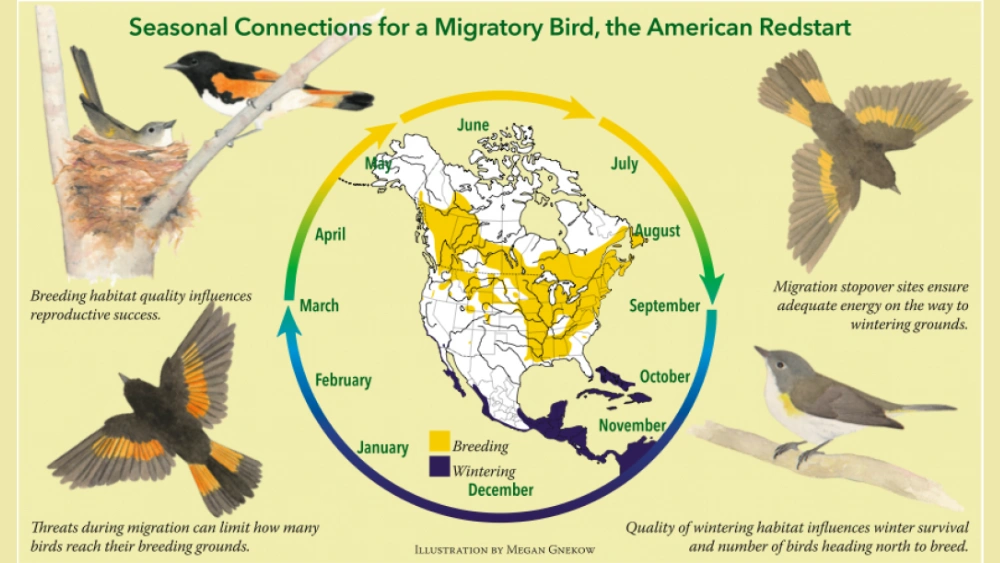
Have you ever wondered how the ever-changing landscapes around you might be affecting the birds you love to watch? As human activities continue to reshape the environment, habitat fragmentation has become a pressing issue.
It’s not just an abstract concept; it directly impacts the migrating bird populations that fill your skies during different seasons. Imagine the journeys these birds undertake, only to find their once-familiar habitats broken into isolated patches. This can disrupt their migration patterns and threaten their survival.
By understanding how habitat fragmentation affects these birds, you can gain a deeper appreciation for the delicate balance of nature and discover ways to make a positive impact. Keep reading to uncover the fascinating interplay between human activity and the natural world, and learn how you can help protect these avian travelers.

Credit: www.audubon.org
Causes Of Habitat Fragmentation
Habitat fragmentation occurs when large natural areas break into smaller, isolated patches. This change happens due to many human activities. These broken habitats create barriers for migrating birds. Birds face challenges moving between feeding, breeding, and resting spots. Understanding the causes helps protect these vital pathways.
Urban Development
City growth spreads over forests and fields. Roads, buildings, and houses replace natural areas. This divides habitats into small sections. Birds lose continuous space needed for migration. Noise and lights also disturb their natural behaviors.
Agricultural Expansion
Farms clear wide land areas. Crops and pastures replace woodlands and wetlands. Fields create open spaces with fewer trees and plants. Migrating birds find fewer places to rest and feed. Pesticides and machines add extra threats.
Road Construction
Roads cut through forests and meadows. These narrow strips isolate habitat patches. Birds avoid crossing busy roads due to traffic danger. Roads also cause pollution and noise that affect bird health.
Logging And Deforestation
Cutting trees removes large forest areas. This breaks continuous canopy cover birds use for shelter. Logging roads and clearings create gaps in habitats. Migrating birds face exposure to predators and harsh weather.
Mining And Industrial Activities
Mining disturbs land surface and vegetation. Factories and plants occupy natural spaces. These activities cause habitat loss and fragmentation. Pollution from industries harms water and air quality. Birds struggle to find safe, clean stopover sites.
Effects On Bird Navigation
Birds rely heavily on clear routes and natural landmarks to find their way during migration. Habitat fragmentation breaks these routes into smaller, isolated patches. This disruption confuses birds and makes navigation much harder.
Birds use visual cues like forests, rivers, and coastlines to guide them. When these cues disappear or become patchy, birds lose their sense of direction. This can lead to longer flights, wasted energy, and missed stopovers.
Fragmented habitats also affect how birds read the earth’s magnetic field. Trees and natural landscapes help stabilize magnetic signals. Without them, birds may struggle to detect these signals correctly.
Disruption Of Visual Landmarks
Birds follow landmarks to stay on course. Habitat fragmentation removes or changes these landmarks. Large forests may turn into small patches separated by fields or roads. Birds may not recognize these new patterns.
This loss causes birds to fly off track. They might end up in unsafe areas. The risk of exhaustion or predation increases.
Impact On Magnetic Navigation
Many birds sense the earth’s magnetic field to guide their path. Trees and natural environments support this sense. Fragmented habitats create electromagnetic noise. This noise interferes with magnetic signals.
Birds may misinterpret magnetic cues. Their migration routes become less precise. This confusion can delay arrival at breeding or wintering sites.
Increased Energy Use And Stress
Confused birds take longer routes or get lost. They must fly more to reach destinations. Extra flying drains their energy reserves. High energy use reduces survival chances.
Stress from poor navigation lowers immunity. Birds become vulnerable to disease. Fragmentation thus indirectly affects their health and lifespan.
Impact On Breeding And Survival
Habitat fragmentation directly threatens the breeding success and survival rates of migrating birds. When continuous habitats break into smaller, isolated patches, birds face challenges that can drastically reduce their chances of raising healthy offspring. Understanding these impacts helps you see why conservation efforts must prioritize habitat connectivity.
Reduced Nesting Sites And Increased Competition
Fragmented habitats mean fewer safe places for birds to build nests. You might notice that smaller patches force more birds into the same space, leading to intense competition for limited resources. This struggle can cause stress and lower the number of eggs laid or chicks raised.
Higher Predation Risks Near Edges
Edges of fragmented habitats often attract predators like raccoons and snakes. Nesting near these edges increases the chances of eggs and chicks being eaten. Imagine your favorite hiding spot suddenly being exposed — that’s what birds experience, reducing their survival odds.
Disrupted Food Supply And Foraging Efficiency
Smaller habitat patches limit food availability, forcing birds to spend more time searching for meals. This extra effort can tire them out and reduce the energy available for breeding activities. Have you ever tried working long hours without a good meal? Birds face the same challenge in fragmented landscapes.
Isolation Leading To Genetic Bottlenecks
When bird populations become isolated, their gene pool shrinks, increasing vulnerability to diseases and reducing adaptability. This genetic bottleneck can lower survival rates over generations. Protecting habitat corridors helps maintain healthy, diverse populations that can better withstand environmental changes.
Practical Steps You Can Take
- Support local efforts to create wildlife corridors connecting fragmented patches.
- Plant native trees and shrubs to increase suitable nesting spots in your area.
- Reduce pesticide use to maintain a healthy insect population for bird food.
- Advocate for conservation policies that protect large, continuous habitats.

Credit: www.numberanalytics.com
Conservation Strategies For Migratory Birds
Conserving migratory birds is crucial as habitat fragmentation threatens their survival. These birds rely on continuous landscapes to rest, feed, and breed during their long journeys. Protecting them requires targeted strategies that address the challenges of broken habitats.
Creating And Maintaining Wildlife Corridors
Wildlife corridors connect isolated patches of habitat, allowing birds to move safely between feeding and nesting sites. You can support projects that plant native trees and shrubs to rebuild these natural pathways. Such corridors reduce the risks birds face when crossing urban or agricultural areas.
Have you noticed how some parks have green strips linking larger forests? Those strips often serve as vital corridors for migrating birds.
Protecting Key Stopover Sites
Migratory birds depend on certain stopover sites to rest and refuel. Protecting wetlands, coastal areas, and forests where birds gather is essential. Conservation groups often work to purchase and manage these sites, ensuring they remain safe and rich in food.
Think about a time you needed a quick break during a long trip. Migratory birds need those breaks too, and losing these spots can be deadly for them.
Reducing Light Pollution
Artificial lights confuse migrating birds and increase collision risks with buildings. You can help by supporting “lights out” programs during migration seasons. Turning off unnecessary lights at night helps birds navigate more safely.
Ever wondered why birds sometimes crash into windows at night? Bright city lights can throw off their natural navigation systems.
Community Involvement And Education
Engaging local communities creates long-term support for bird conservation. Educating people about the importance of habitat connectivity encourages positive actions like planting bird-friendly gardens. Your involvement can inspire others to protect migratory birds too.
Have you ever joined a birdwatching group or helped plant native species? These small steps build awareness and protect habitats.

Credit: www.numberanalytics.com
Frequently Asked Questions
What Is Habitat Fragmentation In Bird Migration?
Habitat fragmentation is the breaking of large habitats into smaller patches. It disrupts bird migration routes and reduces available resources for migrating birds.
How Does Fragmentation Impact Bird Survival Rates?
Fragmentation increases predation risks and reduces food availability. This leads to lower survival rates for migrating bird populations during their journeys.
Why Is Habitat Connectivity Important For Migrating Birds?
Connectivity ensures safe passage and access to essential stopover sites. It helps birds rest and refuel, improving their overall migration success.
Can Habitat Fragmentation Cause Population Decline In Birds?
Yes, fragmentation isolates populations and limits breeding opportunities. This isolation can cause genetic bottlenecks and reduce bird population sizes over time.
Conclusion
Habitat fragmentation breaks up bird homes and stops safe travel. Birds find fewer places to rest and feed during migration. This can cause fewer birds to survive the journey. It also lowers bird numbers and harms their health. Protecting large, connected habitats helps birds move safely.
We all share the duty to keep nature whole. Small actions can support bird migration and survival. Let’s work to keep bird paths open and safe. The future of migrating birds depends on it.