

Have you ever noticed how a bird’s beak is perfectly designed for its surroundings? It’s not just a coincidence.
A bird’s beak is a remarkable tool that reveals so much about its habitat. Whether it’s the sharp, hooked beak of a hawk or the long, slender beak of a hummingbird, each shape tells a story about survival, adaptation, and the environment it calls home.
Imagine walking through a dense forest or a sunny beach and recognizing the birds around you just by observing their beaks. Isn’t that fascinating? You might wonder how exactly a beak can hint at where a bird lives and what it eats. The answers are both simple and intricate, and understanding them can deepen your connection to the natural world. You’ll discover the secrets behind the shapes and sizes of bird beaks and how these features are key to thriving in specific habitats. By the end, you’ll see birds in a whole new light and perhaps even feel a closer bond to the feathered friends in your backyard. Keep reading to uncover the mysteries of nature that are right in front of you.

Credit: www.birdfy.com
Beak Shapes And Their Functions
The shape of a bird’s beak reveals a lot about its lifestyle and habitat. Each beak design matches the bird’s feeding habits and the environment it thrives in. Understanding these shapes helps you predict what kind of food the bird prefers and where it might be found.
Types Of Beak Shapes
- Conical Beaks:Short and strong, perfect for cracking seeds. Common in finches and sparrows.
- Hooked Beaks:Curved and sharp, ideal for tearing meat. Eagles and hawks have this type.
- Long, Thin Beaks:Great for probing flowers or mud for insects. Hummingbirds and shorebirds use these.
- Chisel-like Beaks:Designed for pecking wood to find insects, seen in woodpeckers.
- Flat, Broad Beaks:Used for filtering food from water, typical in ducks.
Adaptations For Feeding
Every beak shape is a tool crafted by evolution for specific feeding needs. For example, a hummingbird’s slender beak fits perfectly into flowers, allowing it to sip nectar efficiently. Have you noticed how a pelican’s large pouch helps scoop fish from the water? That’s a feeding adaptation linked directly to habitat.
Birds living in deserts often have beaks that help them eat tough seeds or insects, while those in watery environments have flatter beaks for straining food. Your local birdwatching trips can become more interesting by identifying beak shapes and guessing their food source. What kind of beak do the birds around you have, and what does that say about their habitat?
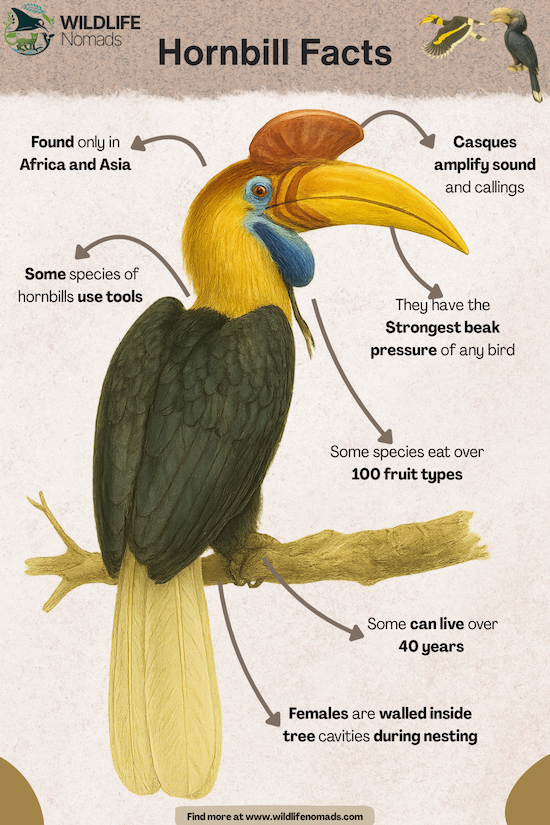
Credit: www.wildlifenomads.com
Beak Color And Environmental Clues
Beak color is more than just a splash of pigment on a bird’s face; it’s a visual clue about where the bird lives and how it thrives. The shade and brightness of a beak can reveal details about the bird’s environment, diet, and even its health. By paying attention to these colors, you can start to understand the relationship between birds and their habitats on a deeper level.
Pigmentation And Habitat
Birds’ beak colors come from pigments like carotenoids and melanins, which they often obtain through their diet. If a bird lives in an area rich in certain fruits or insects, its beak may reflect those pigments vividly. For example, birds in coastal regions might show brighter beak colors due to the abundance of carotenoid-rich shellfish or algae.
Have you ever noticed how some birds in forests have duller beaks compared to those in open fields? This difference helps with camouflage, protecting them from predators. Your observation of beak colors can hint at the bird’s local environment and food sources.
Seasonal Changes In Beak Color
Beak color isn’t static; it can change with the seasons, especially during breeding times. Many birds develop brighter, more intense beak colors to attract mates, signaling good health and strong genetics. When the season ends, their beak color often fades, conserving energy and resources.
This shift can also tell you about seasonal food availability. A brighter beak might mean the bird has access to nutrient-rich foods during spring and summer. Watching these changes invites you to think about how animals adapt to fluctuating environments.
Beak Size Linked To Climate
Birds’ beak sizes are not just about feeding habits—they reveal much about the climate where the bird lives. Beak size helps birds manage their body temperature, making it a key factor linked to their habitat’s weather conditions. Understanding this connection gives you a clearer picture of how birds adapt to their environment.
Heat Regulation Through Beaks
Birds use their beaks to release or conserve heat. A larger beak has more surface area, allowing heat to escape more easily, which is helpful in hot climates. Conversely, birds in colder regions tend to have smaller beaks to reduce heat loss.
Think about the toucan—its huge beak might look odd, but it’s perfect for shedding heat in the tropical heat. This natural “radiator” keeps the bird cool without sweating. Have you noticed how birds in snowy areas often have shorter beaks? It’s because less surface area means less heat escapes.
Beak Size Variations Across Regions
Birds living in different regions show clear differences in beak size. In deserts or tropical zones, you’ll find species with long, broad beaks. These beaks help them stay cool and even allow them to drink water efficiently.
In contrast, birds from colder climates like the Arctic usually have smaller, more compact beaks. This helps them retain heat better during freezing temperatures. When you watch birds in your own backyard, try to guess how the local climate might have shaped their beak size. It’s a fascinating way to connect with nature around you.
Behavioral Signals In Beak Features
Birds use their beaks for more than eating and building nests. The shape, size, and color of a beak send important signals about their behavior. These signals help birds communicate with others in their habitat. Understanding these behavioral signals reveals how birds interact with their environment and each other.
Territorial Displays
Beaks play a key role in showing territorial claims. Birds often use beak size and color to warn rivals. Bright or large beaks can signal strength and health. This helps avoid fights by showing dominance from a distance. Some birds also use beak movements or sounds to mark territory. These actions keep boundaries clear and reduce conflicts.
Mating And Social Interactions
Beak features influence mating choices and social bonds. Many birds display colorful beaks to attract mates. A vibrant beak signals good genes and readiness to reproduce. In social groups, beak shape helps identify species and rank. Birds may use gentle pecking or touching with their beaks to show affection or submission. These behaviors strengthen group harmony and support survival.

Credit: birdfact.com
Frequently Asked Questions
How Does A Bird’s Beak Reveal Its Habitat?
A bird’s beak shape reflects its habitat and diet. Different environments demand specific feeding tools. For example, long, slender beaks suit nectar feeding in forests, while strong, hooked beaks fit carnivorous birds in open areas.
Why Are Bird Beaks Adapted To Their Environment?
Beaks evolve to maximize survival in specific habitats. Adaptations help birds access food efficiently and protect themselves. This natural selection leads to diverse beak shapes suited to water, forest, or desert habitats.
Can Beak Shape Predict A Bird’s Diet And Habitat?
Yes, beak shape strongly indicates diet and habitat. Sharp, pointed beaks suggest insectivores living in forests. Broad, flat beaks often belong to waterfowl feeding in wetlands, showing a clear habitat link.
What Role Does Beak Size Play In Habitat Identification?
Beak size correlates with food type and habitat. Larger beaks handle bigger prey or hard seeds common in certain environments. Smaller beaks suit delicate foods in dense habitats, helping identify where a bird lives.
Conclusion
A bird’s beak shows where it lives and what it eats. Different shapes help birds survive in their homes. Sharp beaks catch insects. Strong beaks crack seeds. Long beaks reach nectar in flowers. By studying beaks, we learn about nature’s design.
Each beak tells a unique story. Understanding this helps us protect birds and their habitats. Nature’s details are small but important. The next time you see a bird, notice its beak. It reveals much more than just its food.