
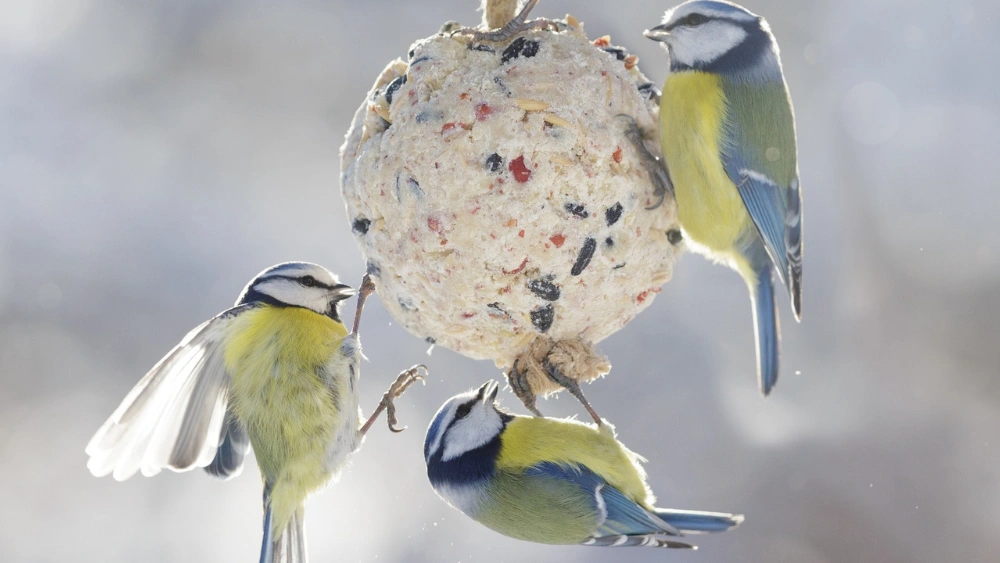
Are you looking to attract a variety of colorful birds to your backyard? Hanging suet is one of the best ways to do just that.
It’s not just about placing a feeder; it’s about creating a haven for feathered friends right outside your window. You might be wondering, “How exactly do I hang suet to make sure I get the most visitors? ” The process is simpler than you think, and with a few tips and tricks, you’ll transform your yard into a birdwatcher’s paradise.
Imagine the joy of watching vibrant cardinals, cheeky chickadees, and magnificent woodpeckers feasting right before your eyes. Keep reading to discover how you can set up suet in a way that maximizes attraction while minimizing mess and hassle. This guide is designed to help you create an inviting environment for birds, ensuring they return time and again.
Credit: www.natureswaybirds.com
Choosing The Right Suet
Choosing the right suet is key to attracting a variety of birds to your feeder. Not all suet is created equal, and picking the right type can make a big difference in which birds visit your yard. Understanding what goes into suet and what birds prefer will help you make smarter choices for your feathered friends.
Types Of Suet
Suet comes in several forms, each suited to different bird species and weather conditions.
- Traditional suet cakes:These are solid blocks made from animal fat mixed with seeds and grains. They are best for cold weather because they hold their shape well.
- Suet balls or nuggets:These are smaller, easier to hang, and less messy. Birds like woodpeckers and nuthatches often prefer these.
- Gel or jelly suet:Soft and pliable, these are great in warmer climates where traditional suet might melt quickly.
Have you noticed how some birds visit only certain types of feeders? Choosing the right suet form can target the species you want to attract.
Best Ingredients For Birds
The quality of ingredients in suet affects both its appeal and nutritional value.
- Rendered beef fat:The primary ingredient, providing energy-rich calories essential for birds, especially in winter.
- Seeds and nuts:Adding sunflower seeds, peanuts, or millet attracts a wider range of birds like chickadees and titmice.
- Dried fruits:Pieces of raisins or cranberries add natural sugars and variety, enticing birds like robins and bluebirds.
- Insects or mealworms:These boost protein content, favored by insect-eating birds such as woodpeckers and wrens.
Have you ever watched a bird pick through suet for specific bits? Including diverse ingredients helps keep your feeder busy and your backyard lively.

Credit: www.amazon.ca
Ideal Locations To Hang Suet
Choosing the right spot to hang suet can make all the difference in attracting birds while keeping them safe and comfortable. The ideal locations consider both the safety of the birds and protection from the elements. Think about where birds naturally feel secure and where your suet feeder will last longer without melting or getting spoiled.
Safe Spots Away From Predators
Birds are vulnerable to predators like cats and squirrels, so placing suet feeders in safe spots is crucial. Hang your suet feeder at least 5 feet off the ground and away from any branches or fences that predators can use as a jumping point. If you’ve noticed local cats prowling or squirrels raiding feeders, try mounting the suet on a metal pole with a baffle to keep them at bay.
Have you ever watched a hawk swoop down near your feeders? Placing suet in areas with some overhead cover like dense shrubs or trees can help birds spot danger early and take cover quickly. But avoid thick branches that block bird access or make it easy for predators to hide.
Sheltered Areas For Weather Protection
Suet is best preserved in spots shielded from direct sunlight and heavy rain. Too much sun causes it to melt quickly, while rain can make it soggy and less appealing to birds. A shaded porch, under an eave, or inside a covered patio are great options to keep suet fresh longer.
Think about local weather patterns when choosing your spot. In windy areas, hanging suet close to a wall or inside a nook can prevent it from swinging wildly and scaring birds away. You might have to experiment with locations until you find one that balances bird access and weather protection perfectly.
Hanging Techniques
Hanging suet for birds needs care to attract more feathered friends. Proper hanging keeps the suet safe and easy for birds to access. It also helps avoid mess and waste. Using the right technique supports bird feeding and garden cleanliness.
Using Suet Cages
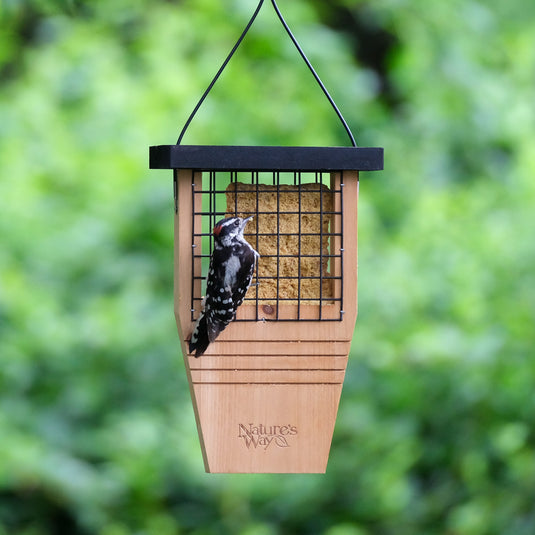
Suet cages are simple and effective. They hold the suet firmly and prevent larger animals from stealing it. Hang the cage on a sturdy branch or hook. Make sure it swings freely to attract active birds.
- Choose a cage size that fits your suet block.
- Secure the cage with a strong wire or chain.
- Hang it 5 to 6 feet above the ground.
- Place it away from dense bushes to reduce predator risks.
Suet cages allow birds to cling and peck easily. They also keep the suet dry and fresh longer.
Alternative Hanging Methods
Not everyone uses suet cages. There are other ways to hang suet safely and effectively. For example, use suet nets or tie suet blocks with twine.
- Suet nets are lightweight and easy to hang.
- Twine works well for suet blocks with holes or wrapped tightly.
- Attach suet to tree limbs or feeders using hooks or clips.
- Place suet where birds can perch nearby.
Keep the suet away from windy spots to avoid dropping. Change hanging spots to keep birds interested and avoid predators.
Maintaining And Monitoring Suet Feeders
Maintaining and monitoring your suet feeders ensures that the birds visiting your yard stay healthy and keep coming back. Regular care prevents mold and bacteria growth, which can harm birds. Paying attention to your feeders also helps you spot when it’s time to refresh the suet or clean the feeder.
Cleaning Tips
Clean your suet feeders every two weeks, or more often if you notice buildup. Use hot, soapy water to scrub away old suet and dirt. Avoid harsh chemicals; a simple mix of vinegar and water works well and is safe for birds.
After washing, rinse thoroughly and let the feeder dry completely. Moisture can cause the suet to spoil faster and attract unwanted pests. Keeping the feeder clean also discourages diseases that can spread among birds.
When To Replace Suet
Check the suet daily during warm weather, since it can melt or spoil quickly. If the suet looks oily, has an off smell, or shows signs of mold, replace it immediately. Fresh suet attracts more birds and provides better nutrition.
Consider swapping suet more often in hot or rainy seasons. Birds won’t visit if the suet is old or unappealing, so timely replacement keeps your feeder active. Have you noticed your feathered friends avoiding a certain feeder? It might be time to refresh the suet inside.

Credit: gratefulprayerthankfulheart.com
Frequently Asked Questions
How Do You Hang Suet For Birds Safely?
Use a suet feeder or mesh bag and hang it on a sturdy tree branch. Ensure it’s away from predators and harsh weather. Place it at a height birds prefer, typically 5 to 6 feet above ground, for safe and easy access.
What Is The Best Location To Hang Suet?
Choose a shady, sheltered spot near trees or shrubs. Birds feel safe near cover, helping them eat comfortably. Avoid windy or overly sunny areas to keep the suet fresh longer and attract more birds.
How Often Should Suet Be Replaced Or Refilled?
Replace suet every two weeks or sooner if it melts or becomes moldy. In warm weather, check daily to prevent spoilage. Fresh suet attracts more birds and keeps them healthy.
Can I Hang Suet Indoors Or Only Outside?
Suet should be hung outdoors only. Birds need natural surroundings and open space to feed safely. Hanging suet indoors can attract pests and does not support wild bird feeding.
Conclusion
Hanging suet for birds is simple and rewarding. Choose a safe spot, away from strong wind and predators. Use a sturdy holder or mesh bag to keep suet secure. Hang it at a comfortable height for bird watching. Regularly check and replace the suet to keep birds happy.
Watching birds feed brings joy and helps nature thrive. Start today and enjoy peaceful moments with feathered friends.