
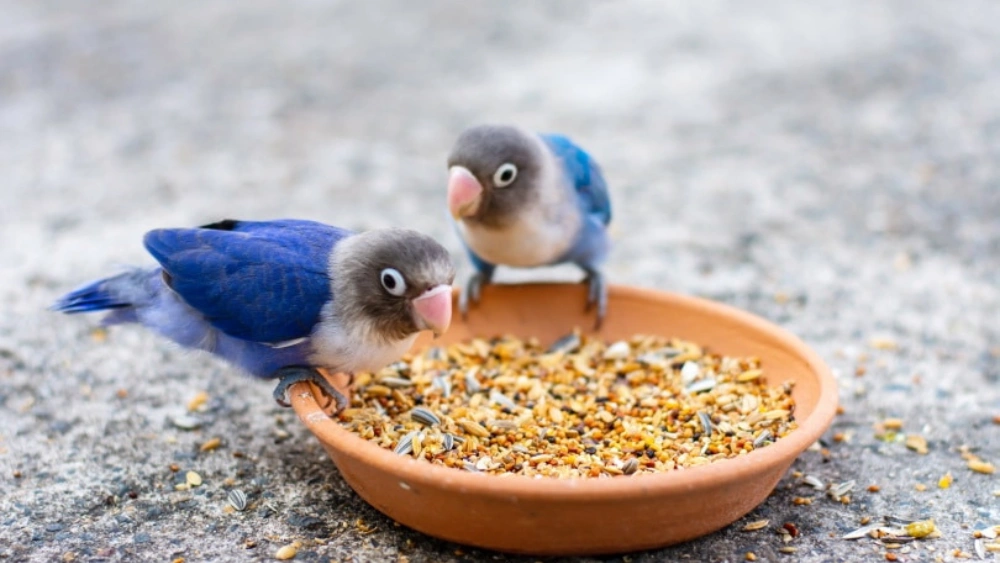
Have you ever watched a bird flit from branch to branch and wondered how it finds its next meal? Birds, with their colorful feathers and melodic songs, have fascinating ways of feeding themselves.
Understanding how they do it might just change the way you see these incredible creatures around you. Imagine being able to look out your window and decode the secret lives of the birds visiting your backyard. Keep reading to uncover the remarkable strategies birds use to find food, and discover how these techniques might surprise you with their cleverness.
Dive into a world where nature’s ingenuity is on full display, and get ready to see your feathered friends in a whole new light.
Credit: wildbloo.com
Diverse Hunting Techniques
Birds have developed a wide range of hunting techniques to catch their food, adapting to different environments and prey. Their methods vary greatly depending on where they live and what they eat. Understanding these diverse techniques can give you a deeper appreciation of how skillful and resourceful birds really are.
Aerial Hunting
Some birds hunt while flying high in the sky, using sharp eyesight to spot prey from above. Hawks and falcons dive at incredible speeds to catch small mammals or other birds mid-air. Watching a hawk swoop down with precision might make you wonder how they calculate such perfect timing and distance.
These birds rely on speed and agility. They often use thermal currents to soar effortlessly before striking, conserving energy for the chase. If you observe closely, you’ll notice their talons are perfectly designed for grabbing and holding onto slippery prey.
Ground Foraging
Many birds search for food on the ground, using their beaks to probe soil, leaf litter, or grass. Robins and sparrows hop around, looking for insects, seeds, and worms hidden beneath. Have you ever noticed how some birds seem to have a sixth sense for finding food that’s invisible to you?
Ground foraging demands patience and sharp senses. Birds like woodpeckers tap tree trunks to uncover insects hiding inside. This technique shows how birds adapt their behavior to access food sources that might seem unreachable.
Water-based Hunting
Birds that live near water use unique methods to catch fish and aquatic insects. Kingfishers hover above the water, then dive headfirst to grab prey with their pointed beaks. Watching a kingfisher in action feels like witnessing a perfectly timed underwater strike.
Others, like herons, wade slowly through shallow water, waiting for the right moment to snatch a fish. Their patience and stealth are key to success. When you see a heron standing still for minutes, it’s not just resting—it’s hunting with focused intent.

Credit: www.youtube.com
Unique Food-gathering Strategies
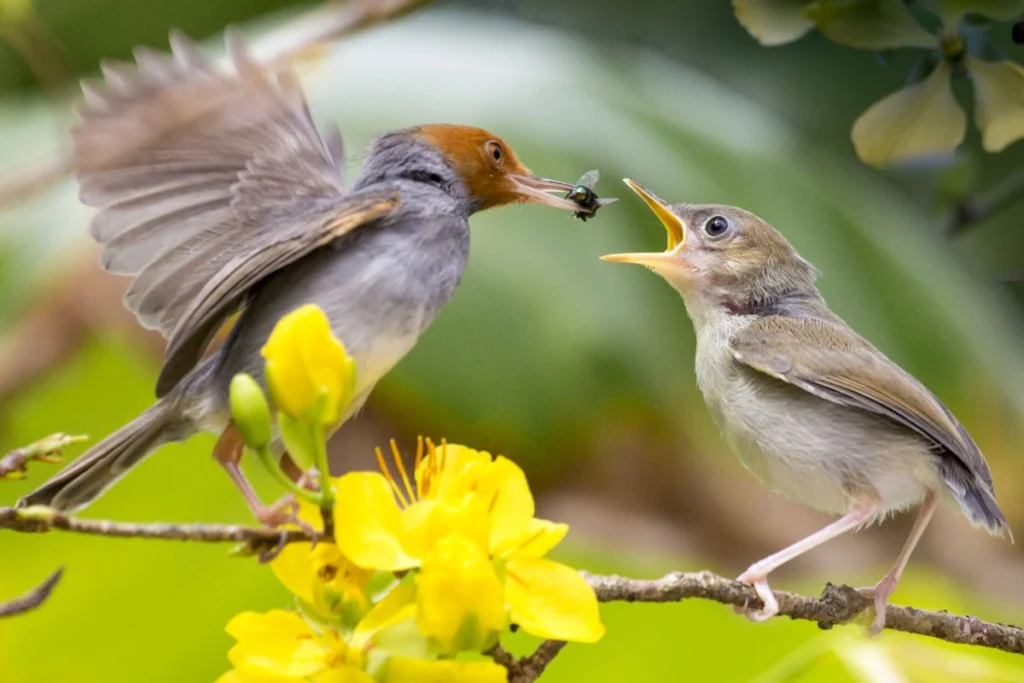
Birds show amazing skills to find and gather food. Their methods go beyond simple pecking or hunting. Some birds use tools to reach hidden food. Others work in groups to catch prey. These unique strategies help birds survive in many environments.
Tool Use In Birds
Some birds use sticks or leaves to get food. Woodpecker finches in the Galápagos Islands use twigs to pull insects from tree bark. Crows drop nuts on roads for cars to crack the shells. These birds show smart ways to solve food challenges. Tool use means birds can eat food others cannot reach.
Cooperative Hunting
Many birds hunt in groups to catch bigger prey. Harris’s hawks work together to corner animals like rabbits. They take turns chasing and blocking their target. Dolphins and some seabirds also join forces to catch fish. Teamwork helps birds catch food faster and safer. It shows how social behavior supports survival.
Adaptations For Food Capture
Birds have unique features that help them catch and eat food. These features are called adaptations. Adaptations make birds better at finding, catching, and handling their food. Each bird species has special tools shaped by their diet and habitat.
Beak Shapes And Functions
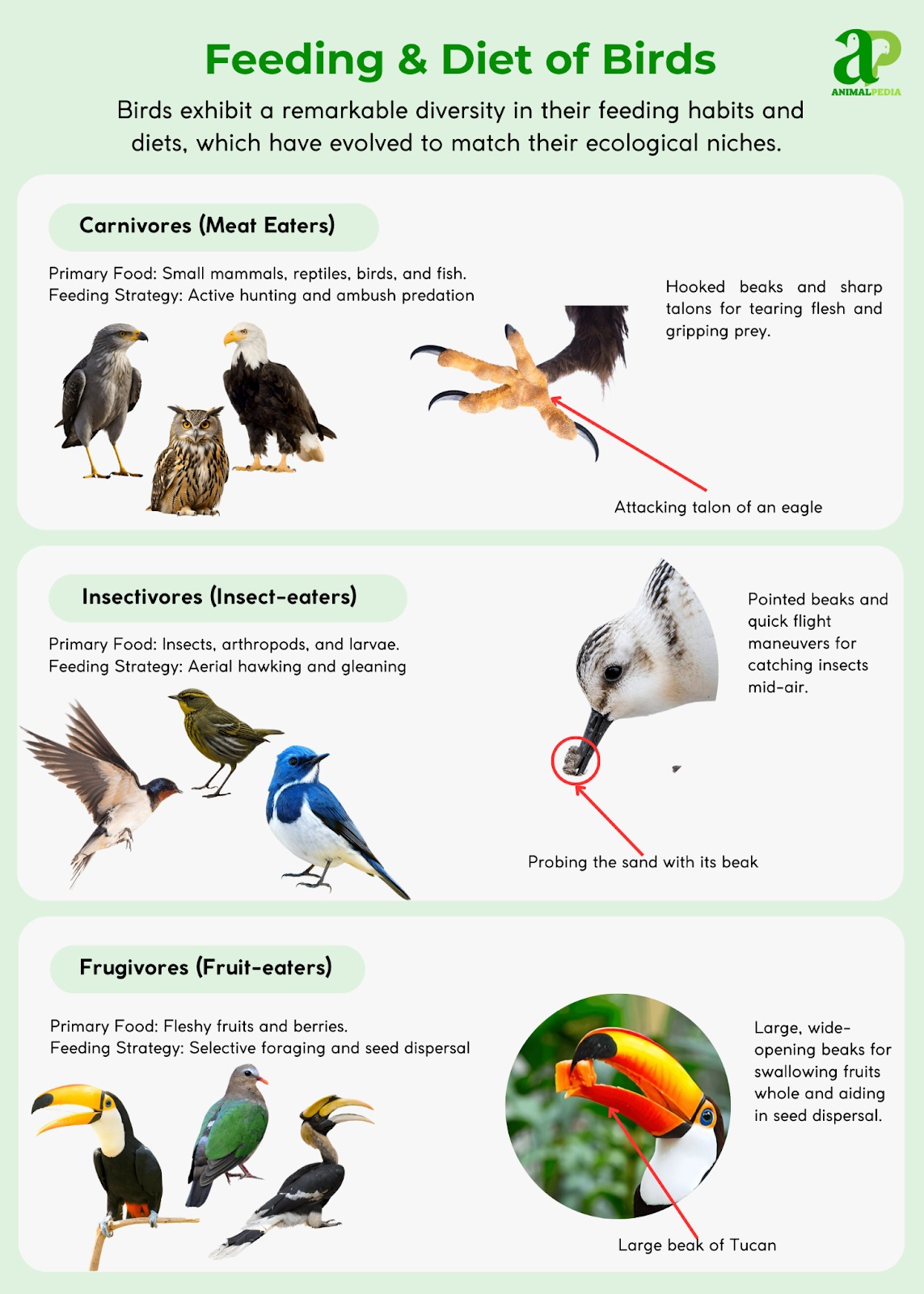
Birds have different beak shapes. Each shape suits a type of food. Strong, curved beaks help birds tear meat. Long, thin beaks reach nectar deep in flowers. Wide, flat beaks catch insects in flight. Some beaks crack seeds easily. Beak shape shows what a bird eats and how it gets food.
Vision And Sensory Skills
Birds use sharp eyesight to spot food from far away. Some see colors humans cannot. This helps find ripe fruits or camouflaged prey. Birds also sense movement quickly. Their eyes are placed for wide views. Some birds use touch on their beaks to find food in mud or water. These skills make hunting and gathering food efficient and fast.
Seasonal And Environmental Influences
Birds face many changes in seasons and environments that affect how they find food. Different times of the year bring new challenges and chances for food sources. Birds adapt their feeding habits to survive and thrive in these changing conditions.
Migration And Food Availability
Many birds migrate to find better food supplies. They travel long distances to places where food is more plentiful. Migration helps birds avoid harsh weather and scarce food during winter. Birds time their journeys to match peak food availability. This ensures they get enough energy for the trip and breeding season.
Some birds eat insects that appear only in certain seasons. Others rely on fruits that grow at specific times. Migration links birds to the right food at the right time. Without this, many birds would struggle to find enough to eat.
Behavioral Changes In Different Habitats
Birds change their feeding behavior based on their habitat. In forests, they may search tree bark or leaves for insects. In wetlands, birds often catch fish or small amphibians. Open fields lead birds to hunt for seeds and insects on the ground.
Seasonal changes in habitat affect what food is available. Birds may switch from eating seeds to eating insects or vice versa. Some birds store food to use during scarce times. Others change their feeding times to avoid heat or predators.
Credit: animal-pedia.org
Frequently Asked Questions
How Do Birds Find Food In The Wild?
Birds use their keen eyesight and sense of smell to locate food. They search trees, ground, and water for insects, seeds, and small animals. Many birds also follow seasonal patterns to find abundant food sources throughout the year.
What Techniques Do Birds Use To Catch Prey?
Birds employ various hunting methods like swooping, diving, or stalking. Raptors grab prey with sharp talons, while some birds use their beaks to probe or catch insects. Each species adapts its hunting style to its preferred food and habitat.
How Do Birds Eat Different Types Of Food?
Birds have specialized beaks suited for their diets. Seed eaters have strong, thick beaks, while insectivores have slender, pointed beaks. Fish-eating birds have sharp, hooked beaks to catch slippery prey. These adaptations help birds efficiently consume their food.
Can Birds Store Food For Later Use?
Yes, some birds like jays and woodpeckers cache food in hidden spots. This behavior helps them survive when food is scarce. They remember these locations and retrieve food during harsh conditions or winter months.
Conclusion
Birds use many ways to find and eat food. Some catch insects, others pick seeds or fruits. Their beaks help them get food easily. Different birds have different skills to survive. Watching birds feed shows nature’s clever designs. Feeding habits help birds live and grow strong.
Understanding these habits can make bird watching fun. Nature’s balance depends on how birds find their meals. Each bird’s way of eating tells a unique story. Birds remind us how life adapts every day.