

Are you curious about how bird baths can transform your garden into a lively oasis? You might have noticed these charming features in many backyards, but do you know what makes them so effective at attracting a wide array of feathered friends?
Understanding how bird baths work can open up a world of delightful birdwatching experiences right from your home. Whether you’re a seasoned bird enthusiast or a curious beginner, knowing the ins and outs of bird baths can help you create a welcoming haven for birds to drink, bathe, and play.
Get ready to discover the secrets behind these fascinating garden additions and why they are a must-have for any nature lover.

Credit: www.amazon.com
Choosing The Right Bird Bath
Choosing the right bird bath is key to attracting and helping birds in your garden. The type you pick affects how often birds visit and how safe they feel while bathing. Think about where you live, the birds you want to attract, and how much care you can give your bird bath.
Material Options
Bird baths come in many materials like ceramic, metal, plastic, and stone. Each material has its pros and cons that affect durability and maintenance. Ceramic and stone look natural and keep water cool but can crack in freezing weather.
Plastic and metal are lighter and easier to move, but metal can heat up quickly on sunny days, making birds uncomfortable. Consider what suits your climate and how much effort you want to spend cleaning and caring for the bath.
Size And Depth
Size matters because bigger bird baths attract more birds, but they also need more water and cleaning. A diameter of about 12 to 16 inches works well for most backyard birds. Depth should be shallow—around 1 to 2 inches—so birds can bathe safely without risk of drowning.
Think about adding a gently sloping bottom or small stones inside the bath for perching. Have you noticed how birds prefer shallower water? That’s because it’s easier for them to splash and stay alert to predators.
Placement Tips
Where you put your bird bath affects how often birds visit and how safe they feel. Place it in a spot visible from your window so you can enjoy watching the birds. Avoid open areas that leave birds exposed to predators like cats.
Try positioning the bath near shrubs or trees. This gives birds a quick escape route. Also, place it in partial shade to keep the water cool and fresh longer. Have you ever noticed how birds avoid hot, sunny spots? They need comfort just like we do.

Credit: www.birdfy.com
Water Features That Attract Birds
Water features play a big role in attracting birds to your garden. Birds love water for drinking and bathing. The right water setup can make your bird bath a favorite spot. Different types of water movement and maintenance affect bird visits.
Moving Vs. Still Water
Birds prefer moving water over still water. Moving water looks fresher and safer to them. It also helps stop mosquitoes from breeding. Small fountains or pumps create gentle movement. Even a slight ripple can attract more birds.
Adding Drippers And Misters
Drippers and misters add extra appeal to bird baths. They create soft sounds and light sprays of water. Birds enjoy splashing in these droplets. Misters cool the air and keep birds comfortable. Drippers add a natural touch by mimicking rain.
Maintaining Clean Water
Clean water is essential for bird health. Change water regularly to prevent germs and algae. Remove leaves and debris from the bath daily. Use a soft brush to scrub the basin as needed. Clean water encourages birds to return often.
Creating A Safe Environment
Creating a safe environment around your bird bath is key to inviting feathered visitors without putting them at risk. Birds are naturally cautious creatures, so your setup should help them feel secure while they drink and splash. Simple changes in placement and maintenance can make a huge difference in how often birds come back.
Avoiding Predators
Place your bird bath where birds can spot danger early. Avoid areas close to thick bushes or places where cats and other predators can hide. Open spaces near trees or tall shrubs give birds a quick escape route if needed.
Have you noticed how birds hesitate to use baths near heavy foot traffic? They do the same with predators. By thinking like a bird, you can choose safer spots that make your bath a trusted stop.
Providing Shelter Nearby
Birds need a safe place to rest after drinking or bathing. Adding shrubs or small trees nearby offers immediate shelter. This not only attracts more birds but also lets them feel comfortable and protected.
Even a simple pile of branches or a birdhouse can serve as a refuge. Think about how you feel when you have a cozy spot to relax—birds appreciate the same sense of security.
Keeping The Area Clean
Dirty water can discourage birds and spread disease. Change the water frequently and scrub the bath weekly to keep it fresh and inviting. Use a brush and mild soap, then rinse well to avoid harming birds.
Leaves, algae, and droppings can turn your bird bath into a hazard. Make it a habit to clear debris daily, especially during warm weather. Clean water means happy, healthy visitors who will return time and again.
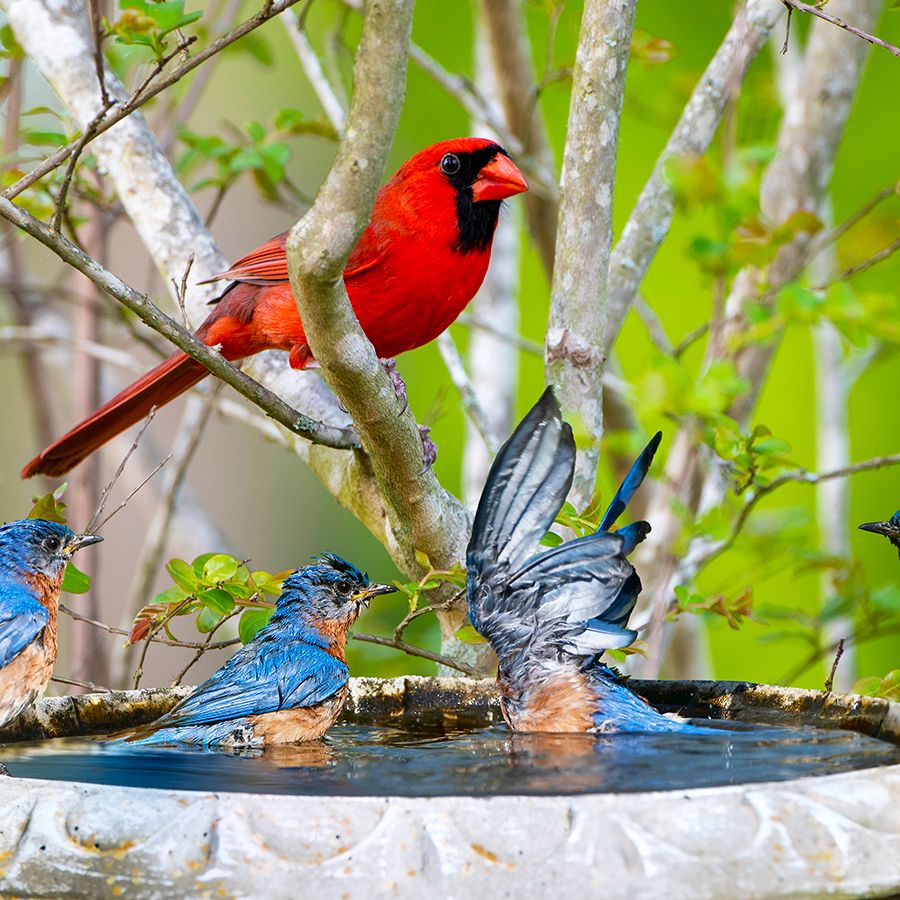
Credit: www.gardeningknowhow.com
Seasonal Care And Maintenance
Seasonal care and maintenance keep bird baths safe and inviting. Changing weather affects water quality and the bath’s condition. Proper attention helps birds enjoy clean, fresh water throughout the year.
Winter Considerations
Cold weather can freeze the water, making it unusable for birds. Remove bird baths or use a bird bath heater to keep water liquid. Place baths in sunny spots to reduce ice buildup. Check frequently for ice and clear it quickly.
Regular Cleaning Routine
Dirty water can harm birds and attract pests. Clean the bird bath at least once a week. Use a scrub brush and mild soap or vinegar solution. Rinse thoroughly to remove all soap traces. Remove algae, dirt, and bird droppings to keep water fresh.
Refilling And Monitoring Water Levels
Birds need fresh water daily, especially in hot weather. Check water levels each day and refill as needed. Avoid stagnant water to prevent mosquito breeding. Keep the water shallow, about 1 to 2 inches deep. This depth is safe and comfortable for most birds.
Frequently Asked Questions
How Do Bird Baths Attract Different Bird Species?
Bird baths attract birds by providing a reliable water source. Clean, shallow water encourages diverse species to visit. Birds use baths for drinking and bathing, which helps maintain their feathers and health.
What Is The Ideal Water Depth For Bird Baths?
The ideal water depth for bird baths is 1 to 2 inches. Shallow water is safer and more comfortable for birds. It prevents drowning and allows small birds to bathe easily.
How Often Should Bird Bath Water Be Changed?
Change bird bath water daily to keep it fresh and clean. Stagnant water can spread diseases and deter birds. Regular cleaning prevents algae buildup and attracts more visitors.
Can Bird Baths Help Control Pests Naturally?
Yes, bird baths attract insect-eating birds that reduce pest populations. Birds like robins and bluebirds consume harmful insects. This natural pest control benefits gardens without chemicals.
Conclusion
Bird baths provide water that birds need to stay clean and cool. They attract many birds to your garden or yard. Watching birds bathe can bring joy and calm. Keeping the water fresh helps birds stay healthy. Place the bath in a safe, quiet spot.
Regular cleaning stops germs from spreading. Bird baths work by offering a simple way for birds to drink and bathe. Enjoy the beauty and life they bring outside.