

Are you planning to attract bluebirds to your yard? One of the key questions you might have is: how close can bluebird houses be to each other?
Getting this right can make all the difference in creating a happy home for these beautiful birds. Place the houses too close, and the birds might feel crowded or compete aggressively. Too far apart, and you might miss out on seeing more bluebirds visit your space.
Keep reading to discover the ideal distances that will help you welcome more bluebirds and enjoy their cheerful presence year after year.
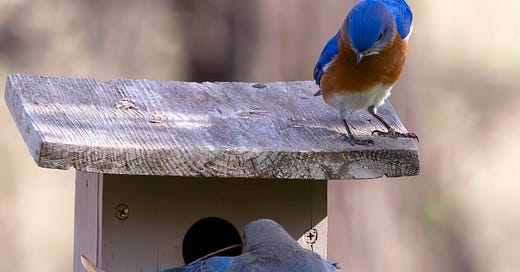
Credit: kellyjbostian.substack.com
Ideal Spacing For Bluebird Houses
Placing bluebird houses at the right distance from each other is key to attracting and keeping bluebirds happy. Too close, and the birds may feel crowded or become territorial, leading to fights or abandoned nests. Too far apart, and you might miss out on creating a thriving bluebird community in your yard.
Recommended Distance Between Bluebird Houses
Experts suggest spacing bluebird houses about 100 to 200 feet apart. This range gives each pair enough space to establish their territory without feeling threatened by neighbors. In more urban or smaller spaces, try to keep at least 75 feet between boxes.
How Spacing Affects Bluebird Behavior
Bluebirds are territorial during nesting season. If houses are too close, you’ll often see aggressive behaviors like chasing or pecking. Proper spacing reduces stress for the birds and increases the chances of successful nesting.
Adjusting Spacing Based On Environment
In open fields or parks, wider spacing works best since bluebirds have large territories. But in a suburban backyard, where food and shelter are limited, you might place houses a bit closer. Watch how the birds respond and adjust as needed.
Practical Tips For Setting Up Multiple Houses
- Mark out distances with a tape measure or GPS app before installation.
- Ensure each house faces the same direction, ideally east or southeast.
- Keep boxes visible and away from dense shrubs or predators’ hiding spots.
Have you noticed how bluebirds behave around nest boxes in your yard? Observing their interactions can give you clues if spacing needs adjustment. Your careful placement can make all the difference in creating a bluebird-friendly habitat.
Credit: nestwatch.org
Factors Affecting House Placement
Choosing the right spot for bluebird houses matters a lot. The distance between houses affects bird behavior and breeding success. Several factors influence how close you can place these houses. Understanding these helps create a safe and inviting space for bluebirds.
Territorial Behavior Of Bluebirds
Bluebirds defend their nesting area from other birds. They need enough space to feel safe. Too close houses can cause fights and stress. Usually, bluebirds keep a territory of about 100 feet around their nest.
Availability Of Food Sources
Bluebirds hunt insects and berries near their homes. Houses placed near rich food areas support healthy birds. Crowding houses in one small spot may reduce available food for each pair.
Landscape And Habitat Features
Open fields and meadows are ideal for bluebird houses. Trees and shrubs offer shelter from predators. Placement depends on nearby natural features that protect and feed birds.
Predator Protection
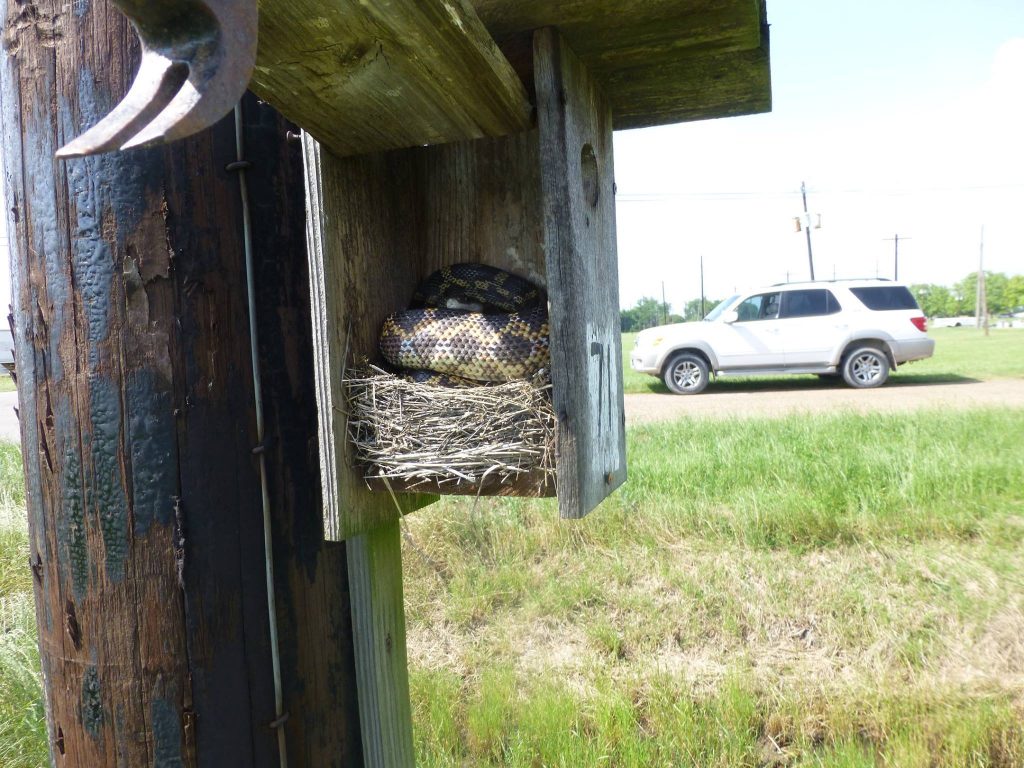
Bluebird houses should be away from places where predators hide. Cats, snakes, and raccoons threaten nests. Proper spacing and location can reduce these risks.
Human Activity And Disturbance
Bluebirds prefer quiet areas with little human traffic. Noise and movement can scare them away. Houses should be placed in calm, low-traffic zones to encourage nesting.
Avoiding Territorial Conflicts
Bluebirds are territorial by nature, especially during breeding season. If their houses are placed too close, conflicts arise, causing stress and even abandonment of nests. Understanding how to space bluebird houses helps you support their natural behavior and successful nesting.
Understanding Bluebird Territorial Behavior
Male bluebirds defend their nesting area aggressively. They usually claim a territory about 100 to 300 feet in radius. Placing houses within this range can lead to fights between males, disrupting nesting.
Imagine you put two houses just 50 feet apart. You might see both males constantly chasing each other away instead of building nests. Have you noticed bluebirds circling or vocalizing near your houses? That’s a sign of territorial tension.
Recommended Spacing To Minimize Conflict
Experts suggest spacing bluebird houses at least 100 yards (300 feet) apart to avoid overlap of territories. This distance reduces competition and gives each pair enough space to breed peacefully.
- Urban or suburban areas may require closer spacing, but try not to go below 50 feet.
- In open rural spaces, stick to the 300 feet guideline for best results.
Spacing houses properly means you’ll see more nesting pairs and fewer territorial disputes.
Signs Your Bluebird Houses Are Too Close
Watch for repeated aggressive behaviors like chasing, squawking, or even damaged houses. If nests are abandoned or eggs disappear, conflicts might be the cause.
Bluebirds may also build nests but fail to raise chicks if stressed. If you observe these signs, consider moving one of the houses further away.
How To Adjust Bluebird House Placement
Start by measuring the distance between your houses. If they’re under 100 feet, plan to relocate at least one.
Choose a new spot with open ground and scattered perches, mimicking their natural habitat. Avoid placing houses near dense trees or busy human areas, which can increase stress.
Have you ever moved a birdhouse and noticed immediate changes in bird behavior? That small adjustment can make a huge difference in bluebird success.
Tips For Successful Bluebird Nesting
Bluebird houses should be spaced at least 100 to 200 feet apart to reduce competition. Keeping distance helps bluebirds feel safe and nest successfully. Crowding houses too close can cause stress and fewer nesting pairs.
Creating a welcoming environment for bluebirds can be a delightful endeavor. Successfully nesting bluebirds not only brings joy but also helps in sustaining their population. Here are some practical tips to ensure your bluebird houses are perfectly positioned and ready to host these beautiful birds.Maintain Proper Distance Between Houses
Bluebirds are territorial creatures. They prefer their own space and may become aggressive if housed too closely to other bluebird families. Aim to place bluebird houses at least 100 to 150 yards apart. This distance reduces territorial disputes and increases nesting success.Choose The Right Location
Location is key. Bluebirds thrive in open areas with scattered trees, not dense woods. Place the houses in a sunny spot with the entrance facing away from prevailing winds. This helps in maintaining a comfortable temperature inside the house.Consider Predator Guards
Protecting nests from predators is crucial. Use baffles or predator guards to deter raccoons, snakes, and other threats. Have you ever noticed how a simple metal cone can save a nest from a curious raccoon? Investing in these guards can significantly enhance the safety of the nesting area.Regular Maintenance Is Essential
Bluebird houses require regular upkeep. Clean the houses at the end of each breeding season to remove old nests and parasites. Regular checks ensure the house remains inviting and safe for new occupants.Monitor Nest Activity
Monitoring doesn’t mean disturbing. Observe from a distance to track nesting progress and identify any issues. If you notice something unusual, like frequent predator visits, take steps to address it immediately.Engage With Bluebird Communities
Connecting with local birdwatching groups can offer invaluable insights. Sharing experiences and tips with fellow enthusiasts can enhance your bluebird nesting efforts. Plus, it’s a great way to meet people who share your passion. Creating a bluebird-friendly habitat is rewarding. Each successful nest is a step towards preserving these charming creatures. Have you tried adjusting your bluebird house setup recently? How did it impact nesting success?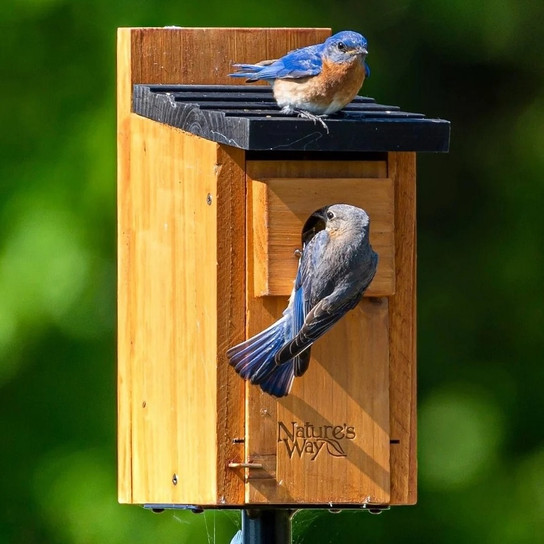
Credit: www.birdwatchingdaily.com
Frequently Asked Questions
How Close Can Bluebird Houses Be Placed?
Bluebird houses should be placed about 100 to 200 feet apart. This spacing reduces territorial conflicts and encourages healthy nesting. Proper distance ensures each pair has enough space to raise their young successfully.
Why Is Spacing Important For Bluebird Houses?
Spacing prevents aggressive behavior and competition among bluebirds. Adequate distance allows multiple pairs to coexist peacefully. It promotes higher nesting success and better bird population health.
Can Bluebird Houses Be Closer In Urban Areas?
Yes, in urban areas, bluebird houses can be placed closer, around 50 to 100 feet apart. Limited space requires closer spacing, but it still supports bluebird nesting if properly managed.
What Factors Influence Bluebird House Spacing?
Factors include habitat type, bluebird population density, and availability of food. Open areas need wider spacing, while denser regions can have houses closer. Proper spacing depends on local conditions and bird behavior.
Conclusion
Bluebird houses should be spaced about 100 yards apart. This distance helps reduce competition for food and nesting sites. Proper spacing encourages bluebirds to thrive and raise healthy chicks. Too close, and birds may fight or avoid the area. Place houses in open spaces with good sunlight.
Keep watching and enjoy the beauty bluebirds bring. Small actions can make a big difference for these lovely birds.