
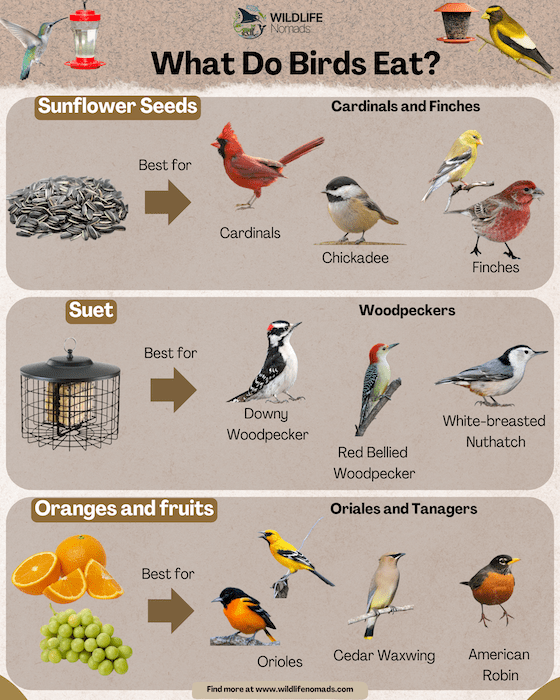
Have you ever paused to watch a bird eat and wondered about the fascinating ways they consume their food? Imagine being able to understand the secret techniques these feathered creatures use to survive and thrive.
From the way a woodpecker skillfully extracts insects from bark to the clever tactics a seagull uses to open a shell, birds have some truly remarkable feeding strategies. By the end of this article, you’ll gain a new appreciation for the diverse and ingenious methods birds use to feed themselves.
So, if you’re curious about these amazing creatures and want to uncover the secrets of how birds eat food, keep reading. You won’t want to miss the surprising details that will change the way you see the world around you!
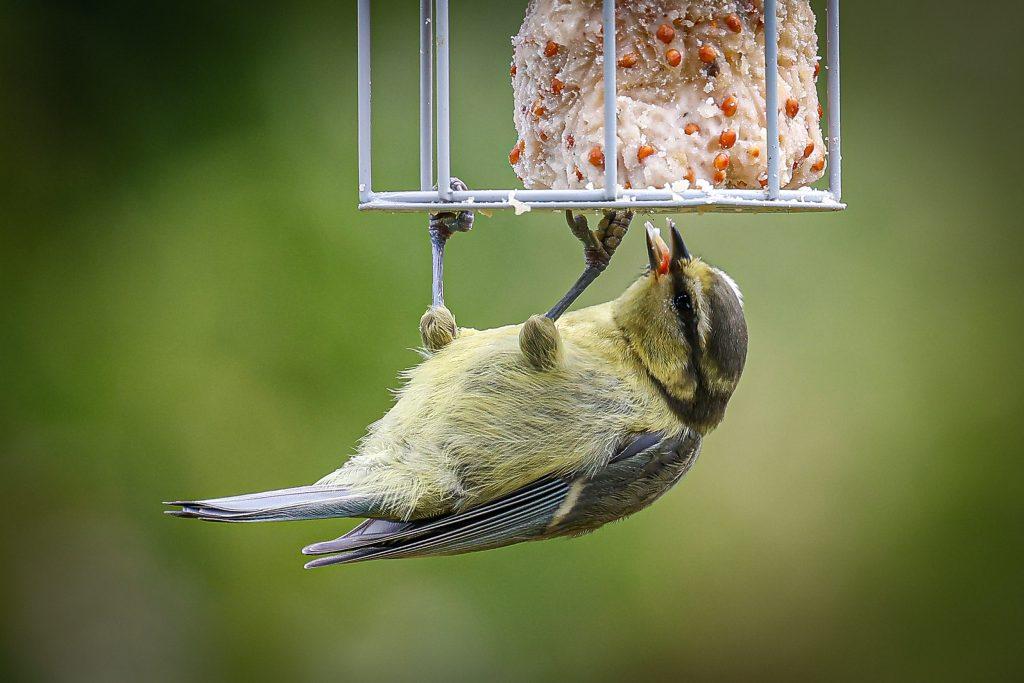
Credit: help.gardeningexpress.co.uk
Bird Beaks And Their Functions
Bird beaks are incredible tools designed for survival. Each beak shape and strength matches the bird’s feeding habits and environment. Understanding how bird beaks work can change the way you observe birds during your next outdoor adventure.
Shapes And Adaptations
Bird beaks come in many shapes, each tailored to specific tasks. Some are long and slender for probing flowers, while others are short and thick for cracking seeds.
- Hummingbirdshave thin, needle-like beaks to reach deep into flowers for nectar.
- Woodpeckersuse chisel-shaped beaks to drill into tree bark and find insects.
- Hawkspossess sharp, hooked beaks perfect for tearing meat from prey.
Have you noticed how a finch’s beak differs from a duck’s? These variations show how birds adapt their feeding tools to what’s available in their habitat.
Beak Strength And Usage
The strength of a bird’s beak is as important as its shape. Some birds need powerful beaks to break hard shells or nuts, while others require delicate precision to pick up small insects.
| Bird | Beak Type | Function | Beak Strength |
|---|---|---|---|
| Parrot | Strong, curved | Cracking nuts and seeds | Very strong |
| Heron | Long, pointed | Spearing fish | Moderate |
| Sparrow | Short, conical | Eating seeds | Moderate |
Next time you watch a bird eat, think about how its beak strength helps it handle its food. Could you imagine using your hands like that? Birds rely entirely on their beaks, so their survival depends on this amazing tool.
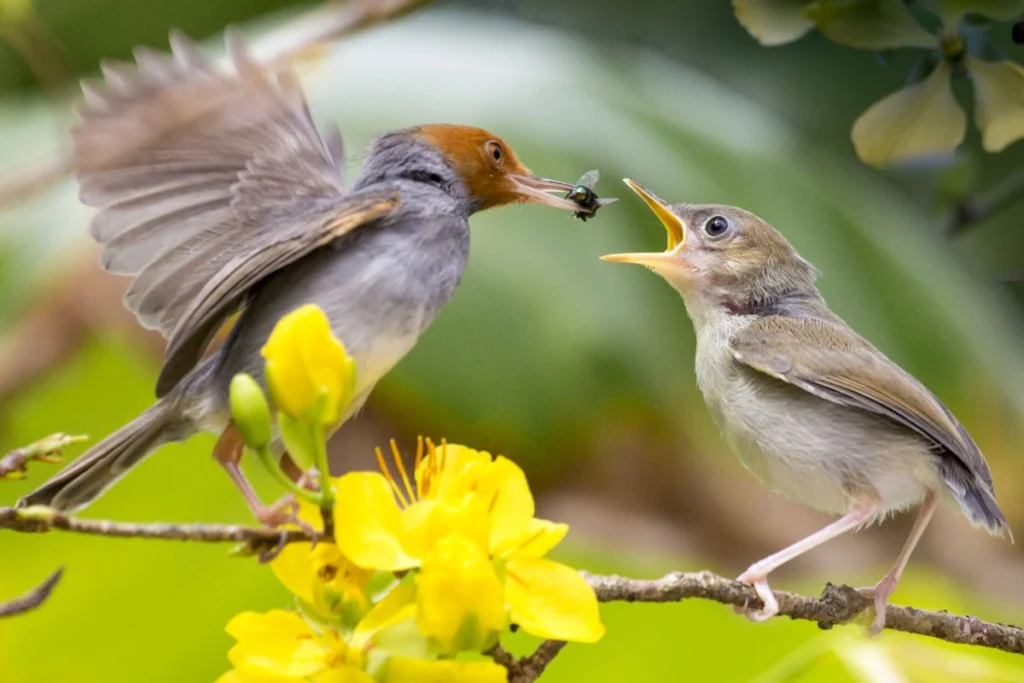
Credit: wildbloo.com
Feeding Techniques In Birds
Birds have developed fascinating ways to catch and eat their food, adapting their feeding techniques to fit their environment and diet. Understanding these techniques helps you appreciate their behavior better and observe them more closely in your backyard or during nature walks. Let’s dive into some of the most common and effective feeding methods birds use.
Pecking And Probing
Pecking is one of the most familiar feeding techniques. Birds like woodpeckers and sparrows use their strong beaks to chip away at tree bark or soil, searching for insects and larvae hidden underneath.
Probing is a bit different. Birds such as sandpipers and ibises use their long, slender beaks to reach deep into mud, sand, or crevices to extract food. This technique requires precision and patience.
Have you ever noticed a bird tapping repeatedly on a tree or probing the ground with its beak? That’s them hunting for their next meal with these specialized techniques.
Filter Feeding And Scavenging
Filter feeding is a clever way some birds, like flamingos and ducks, eat by straining small plants and animals from water. They use their unique beaks to filter out food while letting water flow back out.
Scavenging involves searching for already dead or decaying food. Vultures and crows excel at this, cleaning up the environment and making use of food sources others might ignore.
Next time you see a bird dipping its head into water or picking at leftovers, consider the skill and adaptation behind these feeding habits. What can you learn from their resourcefulness?
Diet Diversity Among Birds
Birds showcase an impressive variety in their diets, reflecting their adaptation to different environments and lifestyles. Understanding this diversity helps you appreciate how each species meets its nutritional needs. Have you ever wondered why some birds peck at insects while others nibble on seeds?
Insectivores And Carnivores
Insect-eating birds, or insectivores, rely heavily on bugs, spiders, and larvae. These birds have sharp beaks designed to catch and crush small, quick prey. Think of warblers and swallows darting through the air, snapping up insects mid-flight.
Carnivorous birds take it a step further by hunting larger prey. Hawks and owls use their strong talons and hooked beaks to catch rodents, fish, and even other birds. Their hunting skills are precise and efficient, showcasing nature’s perfect balance between predator and prey.
Herbivores And Omnivores
Herbivorous birds focus mainly on plant material. Parrots and pigeons often eat seeds, fruits, and nuts, using their strong beaks to crack shells and peel fruit skins. Their diet requires less chasing but more specialized feeding techniques.
Omnivores combine both animal and plant foods in their meals. Crows and seagulls are great examples, eating everything from insects and small animals to fruits and human leftovers. This flexible diet helps them survive in varied habitats, including urban areas.
Unique Feeding Behaviors
Birds display many unique feeding behaviors. These behaviors help them survive in different environments. Each species has special ways to find and eat food. Some use clever methods that surprise us.
Unique feeding behaviors show birds’ intelligence and adaptability. They can use tools or share food with others. These actions show complex habits beyond simple eating.
Tool Use In Feeding
Some birds use tools to get food. For example, crows use sticks to catch insects. They carefully choose and shape their tools.
Woodpecker finches use cactus spines to pull insects from tree bark. This behavior shows problem-solving skills.
Tool use helps birds reach food in hard places. It also makes their feeding more efficient and less risky.
Food Storage And Sharing
Many birds store extra food for later. Jays and nutcrackers hide nuts in many places. They remember these spots even after weeks.
Some birds share food with mates or young ones. This sharing helps strengthen bonds and care for family.
Food sharing also happens during courtship. Male birds may give food to females to gain trust.

Credit: www.youtube.com
Frequently Asked Questions
How Do Birds Use Their Beaks To Eat Food?
Birds use their beaks to grab, crush, and tear food. Different beak shapes help them eat specific foods efficiently. Beaks act like tools adapted for their diet, such as seeds, insects, or fish.
Why Do Birds Swallow Food Without Chewing?
Birds lack teeth, so they swallow food whole or in large pieces. Their stomachs, especially the gizzard, grind the food mechanically. This process allows birds to digest food effectively without chewing.
How Do Birds Drink Water?
Birds scoop water with their beaks or dip them into water. They tilt their heads back to swallow the water. Some birds can also absorb water through their skin or feathers in rare cases.
What Role Does The Crop Play In Bird Feeding?
The crop is a storage pouch in many birds’ throats. It holds food temporarily before digestion, allowing birds to eat quickly and digest later. The crop also softens food, making it easier to digest.
Conclusion
Birds use many ways to eat their food. Their beaks and tongues help them pick, crack, or swallow food. Some birds catch insects, while others eat seeds or fruits. Each bird has a special way to get and eat food.
Watching birds eat can teach us about nature’s variety. Understanding their eating habits helps protect their homes. Every bird’s eating style fits its needs and environment. Nature’s design is simple and smart. Birds remind us to adapt and survive in many ways.