

If you want to attract bluebirds to your backyard, getting the size of the hole on their house just right is crucial. Too big, and other birds might take over.
Too small, and bluebirds won’t even try to enter. You might think a few inches won’t make a difference, but the right hole size can be the key to welcoming these beautiful birds safely. Keep reading to discover exactly how big the hole should be and why it matters for your feathered guests.
Credit: www.walmart.com
Ideal Hole Size For Bluebird Houses
Choosing the right hole size for your bluebird house is crucial. It controls which birds can enter and helps protect the bluebirds from predators and competitors. Getting this detail right boosts your chances of attracting bluebirds and watching them thrive.
Why Hole Size Matters For Bluebirds
Bluebirds prefer a snug entrance that fits their size. If the hole is too big, larger birds and predators may move in. Too small, and bluebirds might avoid the house altogether.
Think about the last time you tried to squeeze through a tight space—would you pick a door too big or too small? Bluebirds face the same challenge.
Recommended Hole Dimensions
| Bluebird Species | Hole Diameter |
|---|---|
| Eastern Bluebird | 1.5 inches (3.8 cm) |
| Western Bluebird | 1.5 inches (3.8 cm) |
| Mountain Bluebird | 1.75 inches (4.4 cm) |
These sizes keep out larger birds like starlings and house sparrows, which often take over nests.
How To Measure And Cut The Hole
Use a drill or jigsaw with a hole saw attachment for a clean cut. Measure twice, cut once—precision matters here.
If you’re unsure about the size, start smaller. You can always sand the edges to widen the hole slightly if needed.
Protecting Bluebirds From Predators
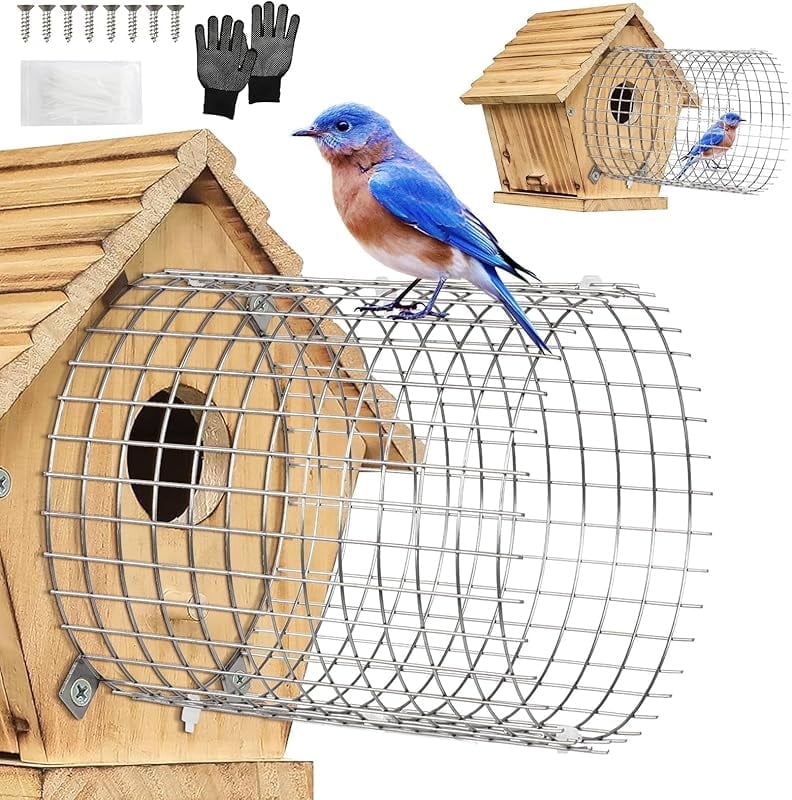
A perfect hole size doesn’t just welcome bluebirds—it keeps predators like raccoons, cats, and snakes out.
Adding a metal guard around the entrance hole can prevent damage and deter unwanted visitors. Have you considered how a simple metal plate could save a whole nest?
Credit: www.kingsyard.com
Impact Of Hole Size On Bluebird Safety
The size of the hole on a bluebird house directly affects the safety of the birds that use it. A hole that is too large can invite predators and unwanted species, while a hole that is too small may prevent bluebirds from entering altogether. Understanding the right hole size is essential for creating a safe and welcoming home for bluebirds.
How Hole Size Prevents Predators
Predators like raccoons, cats, and larger birds can easily access nests through oversized holes. A properly sized entrance restricts these threats, giving bluebirds a secure place to raise their young. When I first installed a bluebird house with a hole that was too big, I noticed frequent visits from aggressive birds. After resizing the hole, the visits stopped, and the bluebirds nested peacefully.
Keeping Unwanted Birds Out
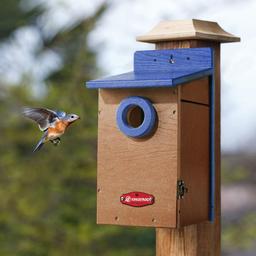
Different bird species compete for nesting spots. If the hole is too large, starlings and house sparrows may take over the house. Bluebirds prefer entrance holes about 1.5 inches in diameter, which is just right to keep larger birds out while allowing bluebirds to enter comfortably.
Ensuring Bluebird Access And Comfort
While security is crucial, the hole must be large enough for bluebirds to enter without difficulty. A hole smaller than 1.25 inches can frustrate or exclude bluebirds, discouraging them from nesting. Think about how you would feel trying to squeeze through a tiny door—bluebirds need a clear, easy entrance to feel safe and welcome.
Balancing Ventilation And Protection
The hole size also affects airflow inside the house. Proper ventilation prevents overheating and keeps the nest dry. However, increasing hole size too much for ventilation can compromise safety. Adding small ventilation holes elsewhere in the house can solve this problem without risking predator access.
Materials And Design Tips For Bluebird Houses
Choosing the right materials and design is key for a successful bluebird house. The house must be safe, durable, and comfortable for bluebirds. Using natural, untreated wood helps keep the inside dry and healthy. Avoid metal or plastic, as they can overheat or trap moisture.
Design matters too. A simple, sturdy shape protects birds from weather and predators. Proper ventilation and drainage holes keep the house fresh and dry. Smooth edges prevent injuries to the birds.
Ideal Materials For Bluebird Houses
- Cedar wood is durable and weather-resistant.
- Pine wood is affordable but needs sealing.
- Avoid treated or painted wood inside the house.
- Use galvanized screws to prevent rust.
- Natural materials blend well with the environment.
Key Design Features
- Use a sloped roof to shed rainwater easily.
- Include small ventilation holes near the top.
- Drill drainage holes at the bottom for water escape.
- Keep the house deep enough for safety and warmth.
- Ensure the entrance hole is the right size for bluebirds.
Placement And Maintenance Tips
- Mount houses 4-6 feet above ground level.
- Face the entrance away from prevailing winds.
- Clean the house after each breeding season.
- Check for damage and repair as needed.
- Use predator guards to protect nesting birds.
Common Mistakes To Avoid With Hole Dimensions
Choosing the wrong hole size can keep bluebirds away or let predators in. A hole too large or too small affects nesting success. Precision helps protect bluebirds and encourages them to settle safely.
Building a bluebird house may seem simple, but getting the hole dimensions right is crucial. The size of the entrance hole plays a significant role in attracting the right birds while keeping unwanted ones out. It’s easy to make mistakes here, and these can lead to disappointing results. Let’s explore the common pitfalls you should avoid to ensure your bluebird house is a success.Ignoring Species-specific Needs
Different bluebird species prefer different hole sizes. For Eastern Bluebirds, a hole diameter of 1.5 inches is ideal. Western and Mountain Bluebirds may require slightly larger holes. Ignoring these specifics might attract the wrong birds or none at all.Overlooking Predator Prevention
A hole that is too large invites predators. Snakes and raccoons can easily access the nest. Stick to the recommended size to protect the bluebirds from harm.Not Accounting For Weather Elements
A poorly sized hole can lead to water ingress during rain. Ensure the hole is just the right size to prevent water from entering and affecting the nest. Consider adding a small overhang for extra protection.Failure To Use The Right Tools
Using the wrong tools can result in a rough, uneven hole. This can be harmful to birds. A clean, smooth cut is essential for the safety of the birds. Use a proper drill bit and take your time to ensure precision.Skipping Regular Maintenance
Once built, houses with improper hole sizes may degrade quickly. Regularly check the size and shape of the hole. Over time, wood can warp or be pecked away, altering the dimensions and effectiveness. Avoiding these mistakes can significantly enhance the chances of your bluebird house being a welcoming and safe home. Have you checked your birdhouse recently? It might be time for a quick inspection!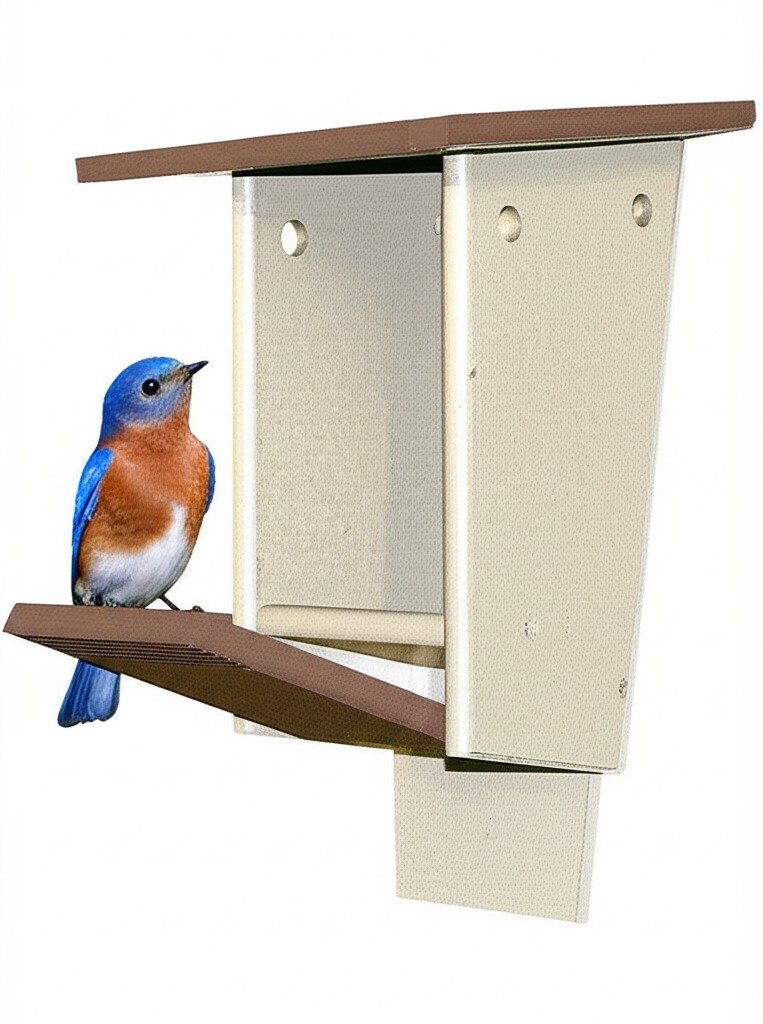
Credit: www.dutchcrafters.com
Frequently Asked Questions
What Is The Ideal Hole Size For A Bluebird House?
The ideal hole size is 1. 5 inches in diameter. This size allows bluebirds to enter while excluding larger birds and predators. Proper hole size ensures safety and encourages bluebird nesting.
Why Is Hole Size Important In Bluebird Houses?
Hole size controls which birds can enter the house. Too large a hole invites predators and unwanted species. The right size protects bluebirds and improves nesting success.
Can A Hole Be Too Small For Bluebirds?
Yes, holes smaller than 1. 25 inches prevent bluebirds from entering. The minimum 1. 5-inch hole allows adult bluebirds easy access. Too small a hole deters nesting and reduces house use.
How Does Hole Size Affect Bluebird Safety?
Correct hole size keeps predators like squirrels out. It helps protect eggs and chicks inside the house. A proper hole size enhances bluebird safety and breeding success.
Conclusion
Choosing the right hole size helps bluebirds feel safe and welcome. A small hole keeps bigger birds and predators away. It also gives bluebirds space to build nests and raise chicks. Too large a hole can cause problems for the birds.
Remember, a 1. 5-inch diameter hole works best for most bluebird houses. This simple step supports their growth and survival. Happy bluebird watching starts with the right hole size. It’s a small change with a big impact on nature.