

If you want to attract bluebirds to your yard, the size of the hole in their house is more important than you might think. Too big, and unwanted visitors may move in.
Too small, and the bluebirds won’t be able to get inside. You might wonder, “How big should the hole be in a bluebird house to keep these beautiful birds safe and happy? ” This simple detail can make all the difference in creating the perfect home for bluebirds.
Keep reading, and you’ll discover exactly what size works best and why it matters for your feathered friends.
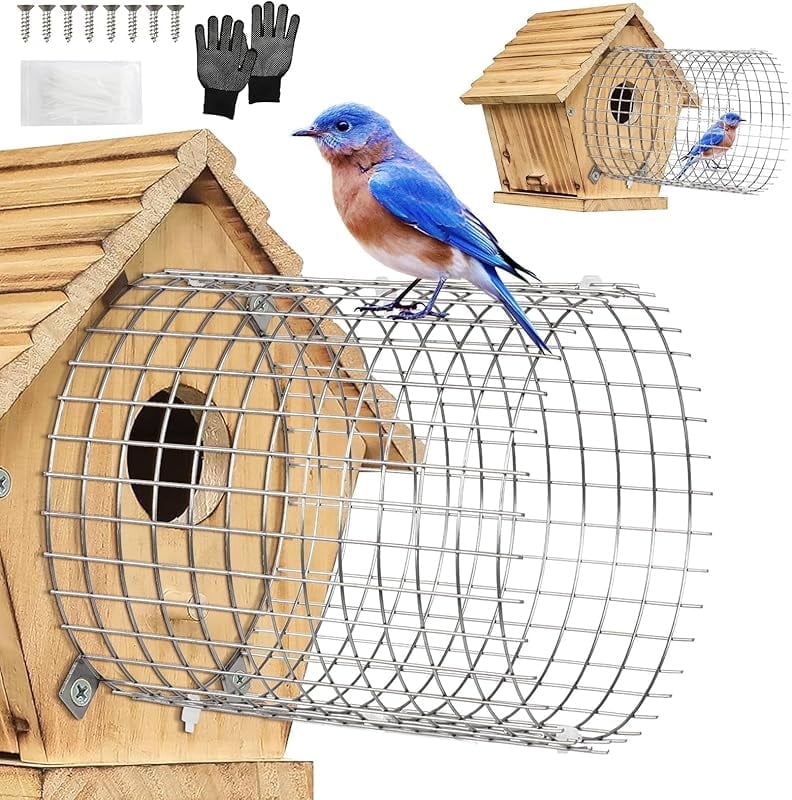
Credit: www.walmart.com
Ideal Hole Dimensions
Getting the hole size just right in a bluebird house is key to welcoming these charming birds while keeping predators out. The entrance hole acts like a selective gateway, inviting bluebirds but keeping larger, unwanted guests away. Let’s look closely at what dimensions work best and why they matter.
Optimal Diameter For Bluebird Entry
The ideal hole diameter is usually between 1.5 inches (3.8 cm) and 1.75 inches (4.4 cm). This size is just right for bluebirds to enter comfortably without allowing bigger birds like starlings to squeeze in.
When I first tried a hole that was 2 inches wide, I noticed starlings quickly took over the house. Shrinking the hole to 1.5 inches brought back the bluebirds within days.
Why Hole Size Matters For Safety
A hole too large invites predators like squirrels and raccoons, putting eggs and nestlings at risk. A hole too small can discourage bluebirds from nesting at all.
Think about it: would you enter a door that’s too tight to fit through? The right size balances accessibility with protection.
Height And Position Of The Hole
The hole should be placed about 5 to 6 inches (12.7 to 15.2 cm) from the bottom of the house. This height protects young birds from falling out and keeps the nest safe from ground predators.
Positioning the hole higher also helps with ventilation and prevents water from getting in during rain.
Tips For Crafting The Hole
- Use a hole saw or drill bit to create a clean, smooth edge—rough edges can hurt the birds.
- Sand the hole edges gently to avoid splinters.
- Avoid adding perches near the hole, as they provide footholds for predators.
What hole size have you tried in your bluebird house? Did it attract the birds or invite trouble? Adjusting this small detail can change your entire bluebird experience.
Impact On Bluebird Species
The size of the entrance hole in a bluebird house greatly affects which bluebird species will use it. Each species prefers a specific hole diameter. This difference helps protect the birds from predators and competition. Choosing the right hole size encourages bluebirds to nest safely and comfortably.
Eastern Bluebird Hole Size Preferences
The Eastern Bluebird prefers an entrance hole about 1.5 inches wide. This size keeps out larger birds and predators. It also allows Eastern Bluebirds easy access. A hole too big can invite unwanted guests like sparrows or starlings.
Western Bluebird Hole Size Needs
Western Bluebirds favor a slightly larger hole, around 1.75 inches. This size suits their bigger body size. It also helps them enter and exit quickly. A smaller hole may discourage them from using the house.
Mountain Bluebird Hole Size Requirements
Mountain Bluebirds need an entrance hole about 1.75 inches wide. They share this preference with Western Bluebirds. This size protects their nests from predators. It also reduces competition from smaller birds.
How Hole Size Affects Bluebird Safety
The right hole size keeps predators out. Small holes prevent raccoons and snakes from reaching the nest. It also limits access to aggressive birds. A secure nesting site helps bluebirds raise more chicks successfully.
Impact On Bluebird Competition
Hole size controls which species can enter. It helps prevent house sparrows and starlings from taking over. These birds are larger and often aggressive. Proper hole size favors native bluebirds and supports their population.
Materials And Construction Tips
Choosing the right materials and building a sturdy bluebird house is important for the birds’ safety. The house should protect them from weather and predators. Using natural, durable materials helps create a healthy environment for bluebirds.
Good construction makes the house last longer. It also keeps the inside dry and comfortable. Simple design and careful building improve the birds’ chances of nesting successfully.
Best Materials For Bluebird Houses
- Use untreated, natural wood like cedar or pine.
- Avoid pressure-treated wood or metal to prevent toxins.
- Use waterproof glue and nails for strong joints.
- Choose wood at least ¾ inch thick for insulation.
- Paint only the outside with non-toxic, water-based paint.
Construction Tips For A Safe Bluebird House
- Ensure the hole diameter matches bluebird needs, about 1.5 inches.
- Make the floor slightly sloped or add drainage holes.
- Include ventilation holes near the top for airflow.
- Build a hinged or removable side for easy cleaning.
- Sand all edges smooth to protect bird feathers and skin.
- Place predator guards around the entrance if possible.
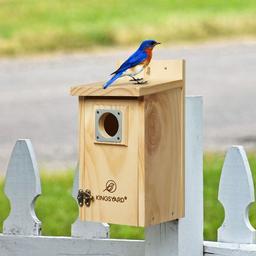
Credit: www.kingsyard.com
Common Mistakes To Avoid
Choosing a hole size that is too big invites predators and larger birds inside. A hole too small may keep bluebirds away. Precision matters to keep bluebirds safe and comfortable.
Building a bluebird house can be a rewarding experience. However, even the most well-intentioned efforts can go awry if some common mistakes are not avoided. Understanding these pitfalls can make the difference between inviting a new family of bluebirds or leaving your birdhouse empty.Neglecting The Correct Hole Size
Many people mistakenly assume that a larger entrance hole is better. In reality, a hole that is too big can invite predators or larger birds, displacing the bluebirds. Ideally, the diameter should be about 1.5 inches, which is perfect for bluebirds while keeping intruders at bay.Using The Wrong Materials
The choice of materials matters more than you might think. Softwoods like pine may seem appealing, but they deteriorate quickly. Opt for durable woods like cedar or redwood to ensure the house lasts through various weather conditions.Incorrect Placement
Where you place the bluebird house can significantly impact its success. Avoid areas with heavy foot traffic or too much shade. Bluebirds prefer open areas with nearby trees or fences for perching.Overlooking Ventilation
Ventilation is crucial for maintaining a comfortable environment for the birds. Without it, the house can become too hot or humid. Ensure there are small holes near the top for airflow.Ignoring Regular Maintenance
Once the house is up, it’s easy to forget about it. But neglecting regular cleaning can deter bluebirds. Periodically remove old nests and debris to keep the house inviting. By avoiding these common mistakes, you’re not just building a birdhouse; you’re creating a safe haven for bluebirds. What changes can you make today to improve your birdhouse design?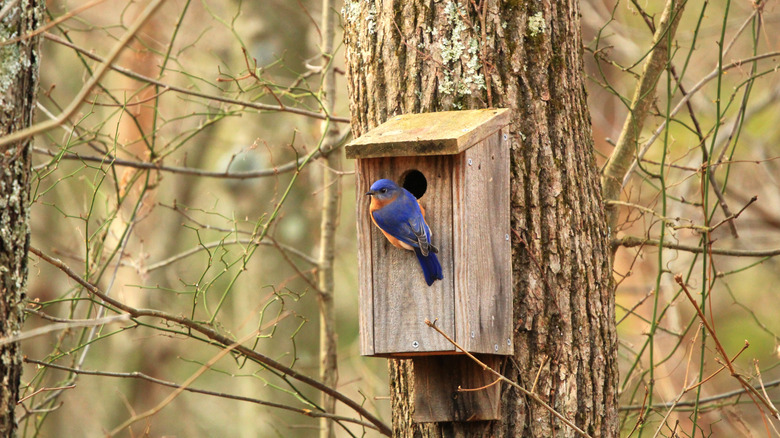
Credit: www.outdoorguide.com
Frequently Asked Questions
What Is The Ideal Hole Size For A Bluebird House?
The ideal hole size for a bluebird house is 1. 5 inches in diameter. This size allows bluebirds to enter easily while keeping out larger predators and competing birds. It ensures safety and comfort for nesting bluebirds.
Why Does Hole Size Matter In Bluebird Houses?
Hole size controls which birds can enter the house. Too large a hole invites predators and bigger birds. The right size ensures bluebirds can nest safely and reduces competition, increasing their chances of successful breeding.
Can The Hole Size Affect Bluebird Breeding Success?
Yes, the correct hole size improves bluebird breeding success. A 1. 5-inch hole helps protect the nest from predators and competitors. It creates a secure environment, encouraging bluebirds to raise healthy young.
How To Measure The Hole For A Bluebird House?
Use a ruler or caliper to measure the hole diameter. Ensure it is exactly 1. 5 inches across. Accurate measurement helps maintain the perfect size for bluebird safety and attraction.
Conclusion
Choosing the right hole size helps bluebirds feel safe and welcome. A hole too big lets predators inside. Too small, and bluebirds cannot enter. A 1. 5-inch diameter suits most bluebird houses well. This size keeps other birds and animals out.
It also gives bluebirds enough space to come and go. Pay attention to this detail to support bluebird nesting. Happy birds mean a lively garden near you. Simple steps create a better home for these beautiful birds.