

Imagine stepping into a vibrant world where nature’s marvels unfold before your eyes, all from the comfort of your home. Have you ever wondered how birds perfectly fit into their surroundings?
The “How are Birds Adapted to Their Habitat Virtual Lab” brings this wonder to life, offering you a unique opportunity to explore the intricate ways birds have evolved to thrive in their environments. This interactive experience is designed to captivate your curiosity and deepen your understanding, making you feel as if you’re a part of these feathered creatures’ fascinating world.
Ready to dive into a realm where nature’s ingenuity knows no bounds? Keep reading to uncover the secrets of bird adaptations like never before.
Credit: www.mdpi.com
Bird Adaptations To Different Habitats
Birds have developed special features to live well in different places. Their bodies, feathers, and behaviors help them survive. These adaptations match the challenges of their habitats. This section explores how birds change based on where they live.
Forest And Woodland Birds
Birds in forests have strong legs for hopping between branches. Their sharp claws help them grip bark. Many have curved beaks to eat insects and fruit. Bright colors help some hide among leaves. Others are quieter to avoid predators. Their wings allow quick, agile flight through trees.
Wetland And Aquatic Birds
Birds near water often have webbed feet to swim. Their long legs help them wade in shallow water. Flat, broad beaks are common for catching fish or filtering food. Waterproof feathers keep them dry. Some have special glands to remove salt from their bodies. Their eyes are adapted to see well underwater.
Desert Birds
Desert birds have light-colored feathers to reflect heat. They stay active during cooler times like dawn or dusk. Their bodies conserve water efficiently. Some have long legs to keep bodies away from hot ground. Beaks are adapted to eat seeds and insects found in dry areas. They often build nests in shaded, hidden spots.
Mountain And Arctic Birds
Birds in cold places have thick feathers for warmth. They often have large bodies to keep heat inside. Some have special feet to walk on snow and ice. Their beaks are strong to dig through snow for food. Many migrate to lower places in winter. Their feathers blend with snowy or rocky surroundings for protection.
Credit: www.thesunmagazine.org
Beak Shapes And Feeding Habits
Birds have different beak shapes that help them eat specific foods. These shapes are linked to their feeding habits. Each beak is designed to handle particular types of food. This design helps birds survive well in their habitats. The virtual lab shows how beak shapes match feeding styles in nature.
Seed Eaters
Birds that eat seeds have strong, thick beaks. Their beaks can crack hard seed shells easily. These beaks are short and cone-shaped. They provide a strong grip to break seeds open. Examples include finches and sparrows. Their beaks help them gather and eat seeds quickly.
Insect Hunters
Birds that catch insects have thin, pointed beaks. These beaks help them pick insects from leaves or bark. Some have long, slender beaks for probing small spaces. Others have sharp beaks to catch flying insects. Woodpeckers and warblers are good examples. Their beaks help them catch tiny, fast prey.
Fish Catchers
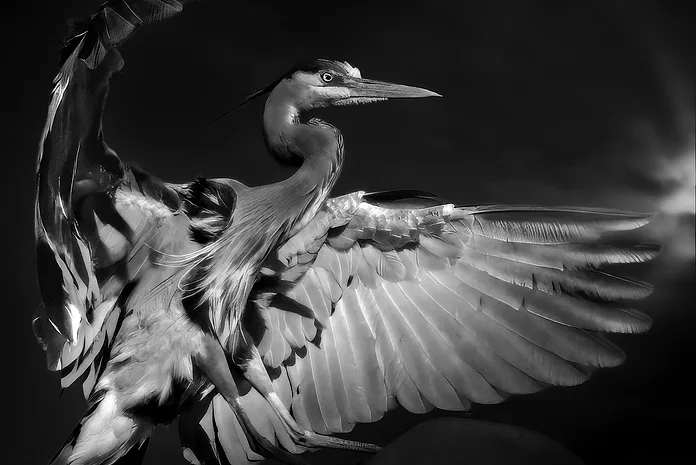
Birds that eat fish have long, sharp beaks. These beaks allow them to grab slippery fish easily. Some have hooked tips to hold fish tightly. Others have straight, pointed beaks for quick stabbing. Herons and kingfishers show these features. Their beaks make fishing easier and more effective.
Nectar Feeders
Birds that feed on nectar have long, thin, curved beaks. These beaks reach deep into flowers. They help access nectar hidden inside petals. Hummingbirds and sunbirds have these beaks. Their beaks allow them to feed without harming flowers. This helps them get food and pollinate plants.
Flight And Movement Adaptations
Birds show amazing adaptations in their flight and movement. These changes help them live well in their homes. Their wings, muscles, and bodies work together for different ways to move. Some birds soar high, while others flap fast or swim. Each style fits their needs and habitat.
Soaring And Gliding
Birds that soar use large wings to catch warm air currents. This helps them fly long distances without much effort. Gliding lets them move smoothly with little wing flapping. Birds like eagles and vultures use this to search for food from high above. Their wide wings and light bodies make soaring easy and energy-saving.
Rapid Flapping
Some birds flap their wings quickly to stay in one place or move fast. Hummingbirds are a good example. They can hover near flowers to feed on nectar. Small wing size and strong chest muscles allow this fast movement. Rapid flapping gives these birds control and speed in tight spaces.
Swimming And Diving
Water birds have special bodies for swimming and diving. Ducks and penguins use their wings like paddles. Their webbed feet help push through water. These birds dive to catch fish or escape danger. Their feathers are waterproof to keep them dry and warm underwater.
Walking And Running
Some birds walk or run instead of flying. Ostriches and emus have strong legs for fast running. Their bodies are built to balance while moving on land. These birds live in open areas and use speed to avoid predators. Their feet are wide for better grip on the ground.
Camouflage And Defense Mechanisms
Birds have developed smart ways to stay safe in their homes. Camouflage and defense mechanisms help them avoid danger. These adaptations match their surroundings or warn predators to stay away. Such traits improve their chances to live and raise young. The virtual lab explores how these features work in nature.
Coloration For Blending In
Many birds wear colors that match their environment. Browns, greens, and grays help them hide among trees and leaves. This coloring makes it hard for predators to spot them. Some birds have patterns that break their shape. This mix of colors helps birds stay unseen and safe.
Warning Colors
Some birds show bright colors to warn enemies. Red, yellow, and orange can signal danger or bad taste. These colors tell predators to avoid eating them. Birds with warning colors often have strong smells or poisons. This combination keeps them protected from attacks.
Mimicry And Deception
Certain birds copy others to fool predators. They may look like a more dangerous species. This trick scares away threats without fighting. Some birds imitate sounds to confuse enemies. Mimicry helps birds survive by using clever deception.
Nest Protection Strategies
Birds protect their nests in many ways. Some build nests in hidden or hard-to-reach spots. Others use materials that blend with the environment. Parent birds may act aggressively to scare off intruders. These strategies keep eggs and chicks safe from harm.

Credit: www.teacherspayteachers.com
Frequently Asked Questions
What Is The Purpose Of The Birds Adapted To Their Habitat Virtual Lab?
The virtual lab helps students explore how birds evolve traits suited to their environments. It simulates real-world bird adaptations interactively. Users learn about beak shapes, feeding habits, and survival strategies. This hands-on approach deepens understanding of natural selection and habitat influence.
How Do Bird Beak Shapes Relate To Their Habitats?
Bird beak shapes evolve to match food sources in their habitats. For example, long beaks help access nectar, while strong beaks crack seeds. The virtual lab demonstrates how different beak types improve feeding efficiency and survival in specific environments.
Can The Virtual Lab Show Bird Adaptation Over Time?
Yes, the lab simulates evolutionary changes over multiple generations. Users observe how bird populations develop traits that fit their habitats better. This dynamic visualization helps explain natural selection and adaptation processes clearly and effectively.
What Skills Can Students Gain From This Virtual Lab?
Students improve their understanding of evolution, ecology, and biology. They learn to analyze data, make predictions, and draw conclusions about adaptations. The lab fosters critical thinking and scientific inquiry skills in an engaging, interactive way.
Conclusion
Birds show amazing ways to live in their homes. Their beaks, feet, and feathers help them survive. Each bird fits well in its place. The virtual lab helps you see these traits clearly. You learn how nature shapes each bird’s life.
Watching these changes makes science fun and real. Understanding birds deepens our care for nature. Try the lab to explore these cool adaptations. It’s a simple way to learn and enjoy.