

Have you ever wondered what happens to bird suet when the temperature drops? If you feed birds in your yard, you might be worried that cold weather could ruin their favorite treat.
You want to make sure your feathered friends get the energy they need during winter, but does suet freeze and become useless? Keep reading to find out the surprising truth about bird suet and how you can keep your bird feeders working all season long.
Why Suet Freezes
Suet is a popular food for wild birds, especially in winter. It provides essential fats and energy. But many bird lovers wonder why suet freezes in cold weather. Understanding this helps care for birds better during chilly months.
Suet is made from animal fat mixed with seeds, nuts, and grains. Fat naturally hardens and solidifies at low temperatures. This change in texture is what we see as freezing. When temperatures drop, the fat molecules slow down and lock together.
Freezing does not harm the nutritional value of suet. Birds can still eat frozen suet easily. Sometimes, frozen suet lasts longer outside because it resists melting and spoiling.
Fat Composition In Suet
Animal fat in suet is mostly saturated fat. Saturated fat has a high melting point. This means it turns solid at temperatures below room temperature. The exact freezing point depends on the fat source and its purity.
Temperature Effects On Suet
Suet freezes at around 32°F (0°C), like water. In cold climates, outdoor suet feeders will often have frozen suet. The colder it gets, the harder suet becomes. This firmness helps keep suet fresh longer outside.
Moisture And Suet Texture
Suet has low moisture content. Low water means less chance of ice crystals forming. This helps suet freeze into a solid block rather than becoming icy. It keeps the suet more stable in cold weather.
Impact Of Ingredients Mixed With Suet
Seeds, nuts, and grains mixed with suet do not freeze. These ingredients stay crunchy inside frozen fat. This contrast in texture attracts birds. They enjoy both the solid fat and crunchy bits.
Effects Of Freezing On Suet Quality
Freezing bird suet is a common practice to preserve it for longer periods. It helps keep the suet fresh and ready for feeding birds during colder months. However, freezing can affect the quality of suet in several ways. Understanding these effects can help maintain its nutritional value and appeal to birds.
Changes In Texture
Freezing suet can alter its texture. The fat solidifies, making suet harder and less crumbly. After thawing, it might become grainy or oily. This change can affect how easily birds can eat the suet.
Impact On Nutritional Value
Freezing suet generally preserves most nutrients. Fat and protein content remain stable during freezing. Some vitamins may reduce slightly but not enough to harm birds. Proper storage is key to maintaining its nutrition.
Effects On Shelf Life
Freezing extends suet’s shelf life significantly. It prevents spoilage by slowing down bacterial growth. Suet stored in airtight containers stays safe for months in the freezer. Thawed suet should be used quickly to avoid spoilage.
Potential For Odor Changes
Suet can absorb freezer odors if not sealed well. This may make suet smell unpleasant to birds. Using airtight packaging helps keep suet fresh and odor-free. Keep suet away from strong-smelling foods in the freezer.
Suitability For Different Bird Species
Some birds prefer fresh, softer suet. Frozen and thawed suet might not attract all species. Hard suet suits larger birds with strong beaks. Offer fresh suet alongside frozen to please a variety of birds.
Storing Suet In Cold Weather
Storing suet in cold weather is essential for keeping it fresh and safe for birds. Suet can freeze in low temperatures, but this does not harm its quality. Proper storage prevents spoilage and maintains its nutritional value. Understanding how to store suet helps you feed birds all winter.
How Cold Affects Suet
Suet is fat from animals, often mixed with seeds or nuts. In freezing weather, suet becomes hard and solid. This makes it easier to handle and prevents melting. Birds can still eat frozen suet without problems. The cold keeps the suet from going bad quickly.
Best Places To Store Suet Outdoors
- Choose a shaded spot away from direct sunlight.
- Hang suet feeders under tree branches or eaves.
- Keep suet off the ground to avoid pests.
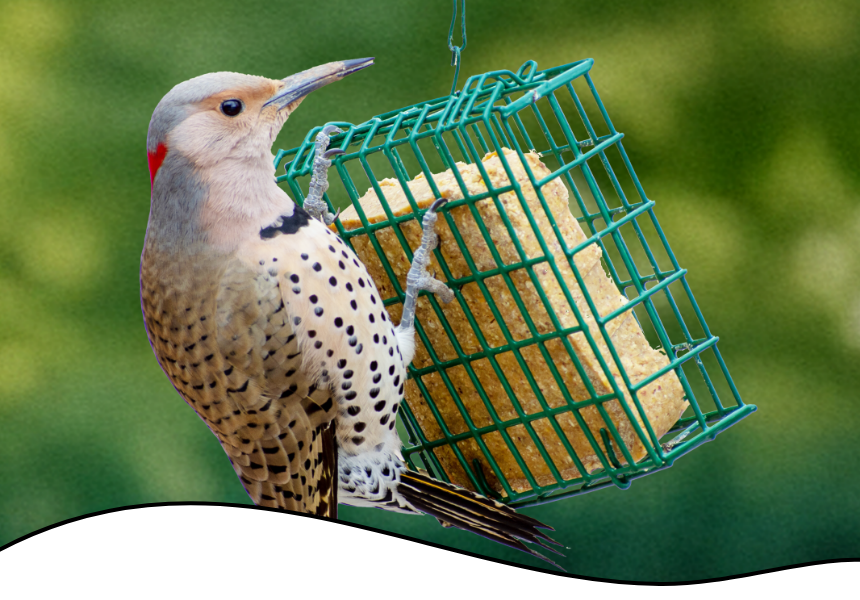
- Use a suet cage to protect it from squirrels.
Storing Suet Indoors
Keep extra suet blocks in a cool, dry place inside your home. A refrigerator works well to prevent melting. Avoid storing suet near heat sources. Use airtight containers to stop odors and moisture.
Credit: www.wildbirdsuets.com
Tips To Keep Suet Fresh Year-round
Keeping bird suet fresh all year is important for healthy birds. Suet can spoil if not stored well. Proper care helps maintain its taste and nutrition. Here are simple tips to keep suet fresh and tasty for your feathered friends.
Store Suet In A Cool, Dry Place
Heat melts suet quickly. Store suet in a cool spot away from sunlight. Avoid humid areas to prevent mold growth. A pantry or cellar works well.
Use Airtight Containers
Seal suet in airtight containers to keep air out. This stops suet from absorbing moisture and odors. Clear containers also help you check freshness easily.
Freeze Excess Suet For Later
Suet freezes well without losing quality. Wrap suet tightly in plastic wrap or foil before freezing. Thaw it slowly in the fridge before use to keep texture intact.
Rotate Suet Regularly
Use older suet first to prevent waste. Check expiration dates and replace suet every few weeks. Fresh suet attracts more birds and stays safe to eat.
Keep Feeding Areas Clean
Remove old or spoiled suet from feeders. Clean feeders often with warm, soapy water. This reduces bacteria and keeps birds healthy.
Credit: www.wildbirdsuets.com
Frequently Asked Questions
Does Bird Suet Freeze In Winter?
Yes, bird suet can freeze in cold temperatures. Freezing helps preserve its nutrients and firmness. Birds can still peck at frozen suet during winter. It remains a vital energy source for wild birds in cold weather.
How Does Freezing Affect Bird Suet Quality?
Freezing bird suet does not harm its quality. It retains fats and nutrients essential for birds. Freezing prevents spoilage and extends shelf life. Thawed suet may soften but stays nutritious and attractive to birds.
Can Frozen Suet Attract Birds Effectively?
Frozen suet attracts birds effectively, especially in winter. Birds prefer suet’s high energy content during cold months. Frozen suet provides a solid feeding surface. It remains a popular choice for feeding wild birds year-round.
Should I Thaw Bird Suet Before Feeding?
No, you don’t need to thaw bird suet before feeding. Birds can peck at frozen or softened suet easily. Feeding frozen suet helps maintain its shape and texture. It also lasts longer outdoors in cold weather.
Conclusion
Bird suet can freeze, but it remains a great food choice. Birds need high-energy foods, especially in winter. Suet provides necessary fats and nutrients. Freezing doesn’t harm its nutritional value. Just ensure it’s accessible to birds. Keep feeders clean and in a good spot.
This helps attract more birds. Watching them enjoy suet can be rewarding. Understand bird needs and adjust feeding habits accordingly. Your backyard can become a bird haven. Enjoy the sights and sounds of happy birds.