

Are you wondering if your bird feeder really needs a perch? It’s a simple question, but the answer can change the way you attract and enjoy birds in your yard.
The right setup can make your feeder more inviting or keep it clean and safe. You’ll discover why perches matter, when they help, and when they might actually cause problems. By the end, you’ll know exactly how to choose or modify your bird feeder to keep your feathered visitors happy and coming back for more.
Let’s dive in and unlock the secret to a perfect bird feeder!
Types Of Bird Feeders
Bird feeders come in many shapes and styles. Each type suits different bird species and feeding habits. Choosing the right feeder can invite more birds to your yard. Understanding the types helps decide if a perch is necessary or not.
Feeders With Perches
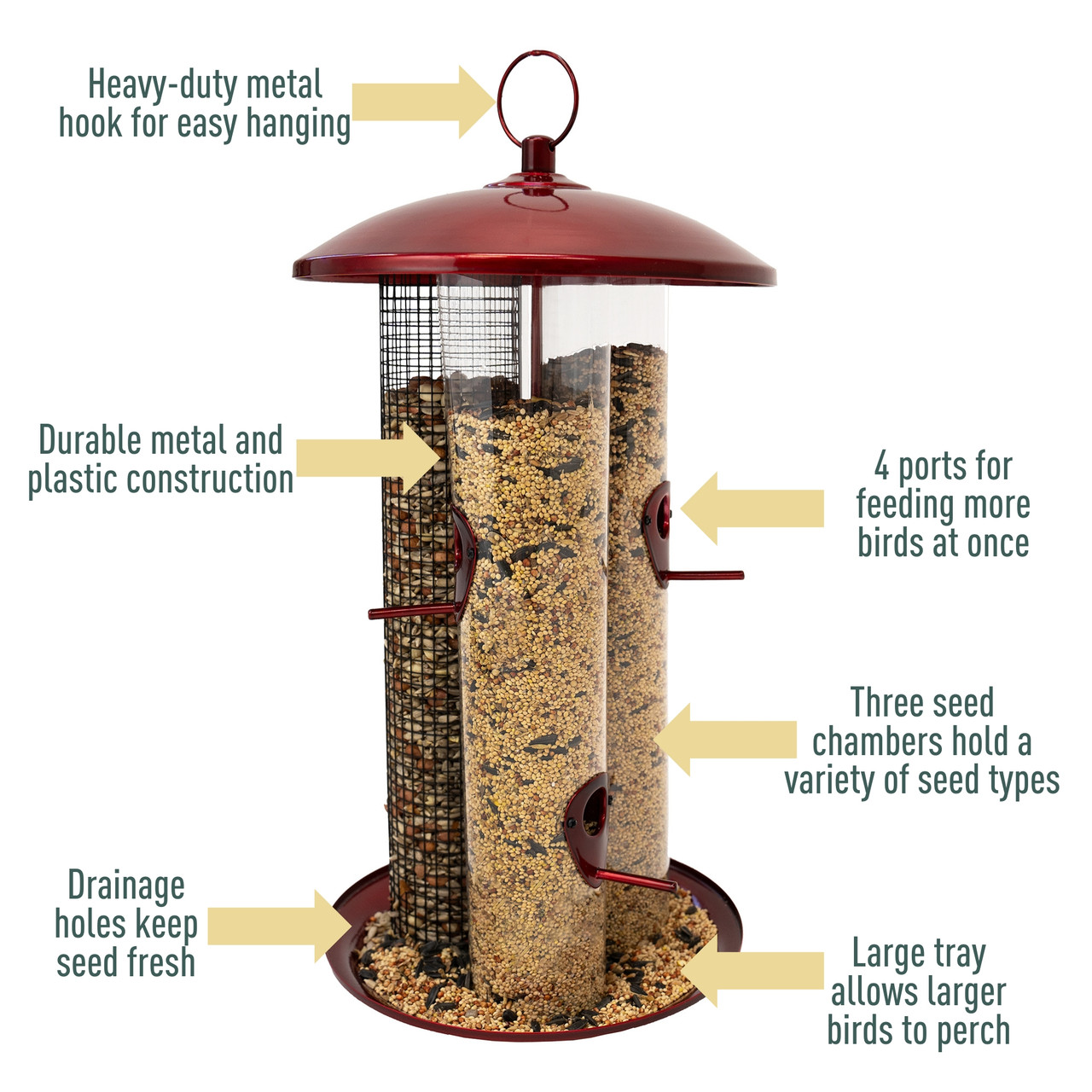
Feeders with perches offer birds a place to stand while eating. These perches give birds easy access to the food. They work well for larger birds that need a spot to rest. Common types include tube feeders and hopper feeders with small sticks or bars.
Perches attract birds that prefer to sit while feeding. They help birds balance and feel safe. But perches can also invite unwanted visitors like squirrels or aggressive birds. Sometimes, perches make feeders less clean because birds leave droppings.
Perchless Feeders
Perchless feeders do not have a place for birds to stand. Birds usually hover or cling to the feeder while eating. These feeders suit small birds like finches and chickadees that can cling easily. They also reduce space for larger, aggressive birds.
Without perches, feeders stay cleaner with less droppings. They also limit squirrels and other pests. These feeders work best for seed types that birds can pull out quickly. They may not attract birds that need to perch while eating.

Credit: www.allaboutbirds.org
Benefits Of Perches
Adding perches to your bird feeder offers clear benefits that go beyond simple decoration. Perches provide a practical spot for birds to rest while they eat, making your feeder more inviting. They can also influence the variety of birds that visit, helping you enjoy a richer birdwatching experience right in your backyard.
Comfort For Birds
Birds need a comfortable place to land and balance while feeding. Without a perch, many birds struggle to hold on and may avoid the feeder altogether. A sturdy perch gives birds a secure spot to sit, reducing their stress and allowing them to eat calmly.
Think about the last time you tried eating while standing on a slippery surface—unpleasant, right? Birds feel the same way. Providing a perch mimics their natural perching habits, making your feeder feel like a safe feeding spot.
Attracting More Species
Different bird species have different feeding styles. Some prefer to cling to feeders, while others like to sit and peck. Including perches caters to a wider range of birds by offering options for their preferred feeding method.
Adding perches can also attract larger birds that need a stable place to land. This means you might see more vibrant species visit your feeder, increasing the diversity of your garden visitors. Have you noticed how a simple perch invites more feathered friends to stop by?
Drawbacks Of Perches
Adding a perch to your bird feeder might seem like a simple way to make it more inviting. However, there are some important drawbacks to consider before you decide to include one. Understanding these challenges can help you create a feeder setup that truly benefits the birds you want to attract.
Discouraging Shyer Birds
Perches often create a crowded space where more dominant birds can take control. This can scare off shyer species that prefer less competition. If you want to attract a variety of birds, you might unintentionally limit your visitor list by providing a perch that encourages aggressive behavior.
Think about whether you’ve noticed some birds avoiding feeders where others are already perched. Could the perch be making certain birds feel unsafe or unwelcome? Sometimes, less is more when it comes to welcoming diverse bird species.
Maintenance Challenges
Perches require regular cleaning to prevent the buildup of dirt, droppings, and mold. This can be time-consuming, especially if you have multiple feeders. Neglecting perch maintenance might lead to health risks for the birds visiting your feeder.
Additionally, perches can break or loosen over time, creating hazards that might injure birds. Ensuring your feeder stays safe and clean means committing to more frequent checks and repairs. Are you prepared to add this extra step to your feeder upkeep routine?
Credit: northstatesind.com
Choosing The Right Feeder
Choosing the right bird feeder is key to attracting your favorite birds. The feeder type affects bird comfort and feeding habits. A feeder with or without a perch depends on the birds you want to attract and their behavior. Safety and location also play major roles in feeder selection.
Bird Types And Behavior
Different birds have different feeding styles. Some prefer to cling while others like to perch.
- Perching birds:Sparrows, finches, and cardinals usually like feeders with perches.
- Clinging birds:Woodpeckers, chickadees, and nuthatches often feed without perches.
Consider the birds common in your area. A feeder with perches helps smaller birds rest while eating. Some birds avoid feeders with perches if they feel exposed or unsafe.
Location And Safety
Place feeders where birds feel safe from predators. Near shrubs or trees is ideal for quick cover. Avoid spots too close to windows to prevent collisions.
- Keep feeders 3 to 5 feet off the ground for safety.
- Ensure easy access for birds to land and take off.
- Clear surrounding area to avoid hiding places for cats.
Good location improves bird visits and reduces feeder damage. Safety influences feeder design and perch presence too.

Credit: www.amazon.com
Frequently Asked Questions
Why Do Bird Feeders Need A Perch?
Bird feeders need a perch to provide birds a comfortable place to land. Perches allow birds to access the food easily. They can rest while eating, which encourages longer visits. A perch also supports different bird species, accommodating varying sizes and feeding habits, enhancing your bird-watching experience.
Can Birds Feed Without A Perch?
Yes, some birds can feed without a perch, especially those that can hover. However, having a perch makes feeding easier and more comfortable for most birds. Perches attract a wider variety of birds by providing a stable resting place, which encourages feeding and allows for longer observation.
Are Perch-less Bird Feeders Effective?
Perch-less bird feeders can be effective for certain species like hummingbirds. These birds feed while hovering and don’t require a perch. However, for most other birds, a perch enhances feeding comfort. Adding a perch can attract more bird species and provide a better bird-watching experience.
What Materials Are Best For Bird Feeder Perches?
Wood and metal are the best materials for bird feeder perches. Wood offers a natural feel that birds prefer. Metal is durable and weather-resistant, ensuring longevity. Both materials provide stability for birds while feeding. Choose materials that are safe and non-toxic for birds.
Conclusion
A bird feeder with a perch helps birds rest and eat comfortably. Many birds prefer feeders with perches because they can land easily. Some feeders work well without perches, especially for smaller birds. Choosing the right feeder depends on the types of birds you want to attract.
A perch can also make watching birds easier and more enjoyable. Think about your space and bird species before deciding. Giving birds a safe spot to feed benefits both you and the birds. Simple changes can make a big difference in your bird-feeding experience.