
Have you ever wondered what fuels the spirit of hope and resilience even in the darkest of times? The phrase “Do You Know Why the Caged Bird Sings” echoes a powerful message that resonates with many.
It’s more than just a line; it’s a question that invites you to explore the depths of human emotion and experience. Imagine a caged bird singing despite its confines. What drives this song? Is it a longing for freedom, or perhaps an unyielding spirit that refuses to be silenced?
As you delve into this exploration, you’ll discover insights that might just change the way you view challenges in your life. Ready to uncover the secrets behind this captivating metaphor? Let’s dive deeper and find out why the caged bird sings.

Credit: www.amazon.ca
Symbolism Of The Caged Bird
The symbolism of the caged bird in Maya Angelou’s work reaches far beyond a simple image of a bird trapped behind bars. It speaks to the human experience of restriction and the deep longing for freedom. This powerful symbol invites you to reflect on what holds you back and what freedom truly means in your life.
Metaphors Of Confinement
The caged bird is more than just a bird stuck in a cage—it represents the feeling of being trapped by circumstances beyond your control. It might be social limitations, personal fears, or systemic injustices that cage you in ways you can’t always see. Have you ever felt like your potential was locked away, waiting for the right moment to break free?
This metaphor challenges you to identify the invisible barriers in your life. It asks: What walls surround your dreams? Recognizing these cages is the first step toward opening the door.
Contrasts Between Freedom And Captivity
The poem sharply contrasts the free bird with the caged bird, highlighting the stark differences in their worlds. The free bird soars, enjoys the sky, and sings with joy, while the caged bird sings despite its confinement. What does it say about resilience that the caged bird chooses to sing even when it cannot fly?
This contrast forces you to consider how freedom shapes your outlook and actions. It’s not just about physical liberty but also the freedom to express yourself and pursue your desires. Can you find moments of freedom within your own limitations?

Credit: www.audible.ca
Voices Amidst Restrictions
Voices Amidst Restrictions captures a powerful truth: even when faced with limits, the human spirit finds ways to communicate. The caged bird’s song is not just noise; it is a defiant act of expression. This section looks at how voices emerge and what they reveal about strength and hope.
Expression Through Song
Have you ever felt trapped but found a way to share your feelings? The caged bird sings because it has no other outlet. Song becomes its language, a way to speak beyond the bars.
Your own voice can break through restrictions too. Whether through writing, art, or conversation, expressing what you feel can shift your mindset and circumstances. It reminds you that silence is not the only option.
Hope And Resilience
The bird’s song carries hope, a signal that it has not given up. This hope is more than wishful thinking—it’s a commitment to keep going despite challenges. When you hold onto hope, you build resilience that helps you face difficulties.
Think about moments when you stayed strong because you believed things could improve. That belief fuels action and growth. How can you nurture your own hope when you feel confined by your situation?
Hidden Freedom Explored
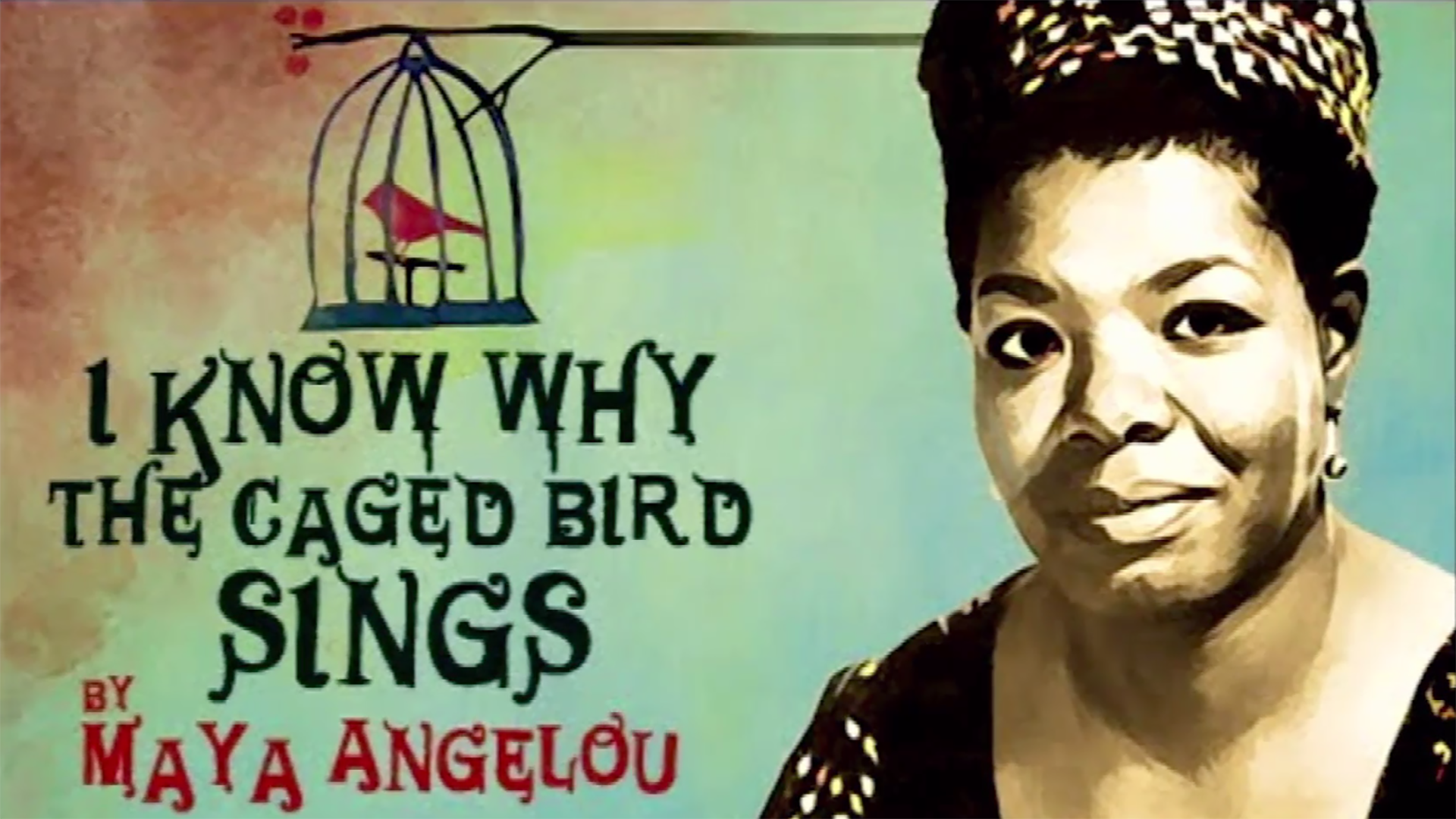
The theme of hidden freedom in “I Know Why the Caged Bird Sings”reveals a deep struggle within. Freedom is not always about physical escape. It often lives quietly inside the mind and heart. This section explores how true freedom can exist even in tough situations. The book shows how the caged bird sings not just for freedom outside but for freedom within. This hidden freedom offers hope and strength to face life’s challenges.
Inner Liberation
Inner liberation means finding peace inside despite outside limits. The character Maya grows by learning to love herself. This self-love brings a sense of freedom that no cage can hold back. She finds joy in her own voice and thoughts. Her mind becomes a place where she feels safe and free. Inner liberation helps her to see beyond her struggles.
Breaking Mental Barriers
Mental barriers trap many people more than physical ones do. Fear, doubt, and pain build walls in the mind. Maya breaks these walls by facing her fears. She chooses to believe in her worth and dreams. This break allows her to imagine a life beyond pain. It shows how freedom can start with a change in thinking.
Credit: www.pbslearningmedia.org
Frequently Asked Questions
What Is The Central Theme Of “why The Caged Bird Sings”?
The central theme is the struggle for freedom and equality. It highlights racial oppression and the desire for liberation. The poem contrasts a free bird and a caged bird to symbolize hope and hardship.
Who Inspired Maya Angelou To Write This Poem?
Maya Angelou was inspired by her own life experiences with racism and hardship. The poem reflects her voice as a Black woman seeking freedom. It also draws from the broader African American struggle for civil rights.
What Does The Caged Bird Symbolize In The Poem?
The caged bird symbolizes oppressed individuals or groups. It represents those who face social, racial, or political restrictions. The bird’s song is a metaphor for hope and resilience despite confinement.
How Does The Free Bird Contrast With The Caged Bird?
The free bird represents freedom and opportunity. It flies without barriers and enjoys life fully. This contrast highlights the inequality and emotional pain experienced by the caged bird.
Conclusion
The caged bird sings to express hope and pain. It shows a desire for freedom and life beyond walls. This powerful image helps us understand struggles many face. The poem reminds us to listen and empathize more deeply. Everyone has a voice that deserves to be heard.
Remember the caged bird’s song when you feel trapped. It speaks of courage, dreams, and strength inside us all.