
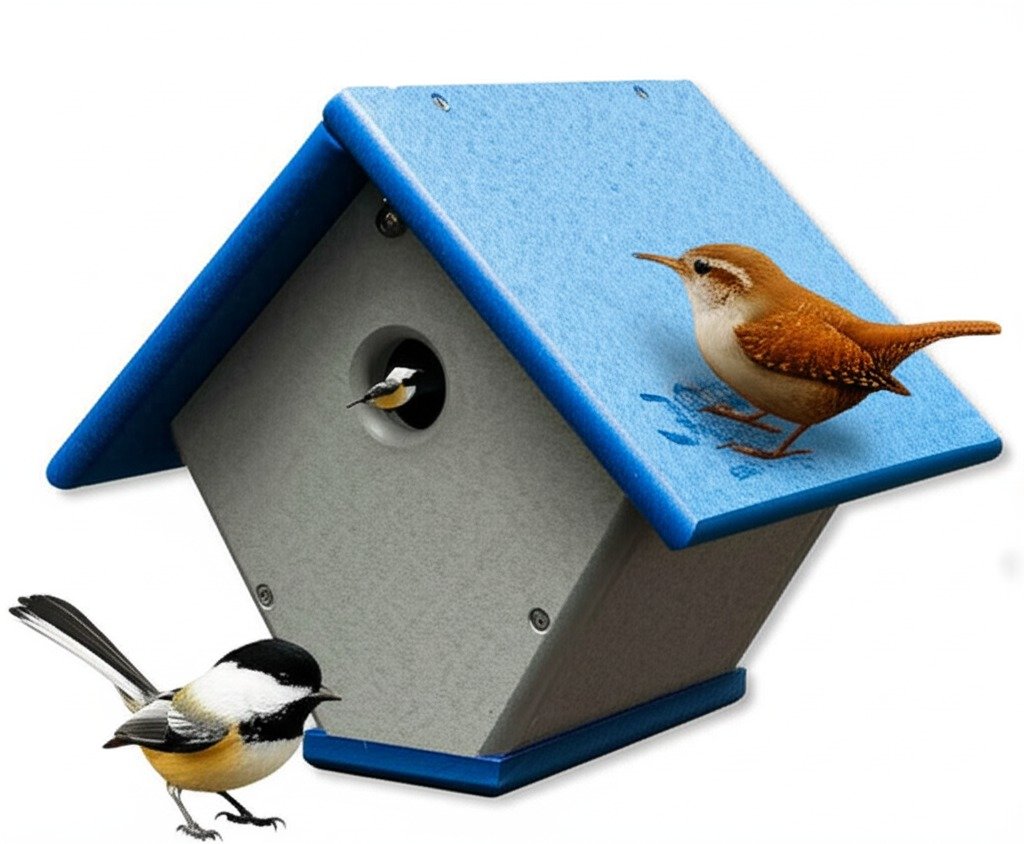
Are you setting up a wren bird house and wondering if it really needs a perch? It’s a common question that can make a big difference in attracting wrens to your yard.
You want to create the perfect home for these lively little birds, but adding the wrong features might scare them away. Keep reading to discover the surprising truth about perches and how you can make your wren house the best spot for your feathered visitors.
Your backyard could become their favorite hangout!

Credit: www.amazon.com
Wren Nesting Habits
Wrens are small, active birds known for their resourcefulness when it comes to nesting. Understanding their nesting habits can help you decide whether adding a perch to their birdhouse is necessary. These birds prefer cozy, secure spots to raise their young and often choose locations that offer protection from predators and harsh weather.
Preferred Nesting Locations
Wrens usually build their nests in natural cavities, crevices, or dense shrubs. They are adaptable and may use birdhouses, but the entrance size and interior space are more important to them than external features.
You might notice wrens favoring birdhouses placed near thick vegetation or close to the ground, where they feel safer. Does your birdhouse location mimic these natural preferences?
Nest Construction And Materials
Wrens build their nests using twigs, grass, feathers, and other soft materials. They are excellent builders, carefully arranging these materials to create a snug and secure environment for their eggs.
Because they build inside the cavity, they don’t need a perch to support their nest. Instead, they focus on creating a stable interior that protects against wind and rain.
Wren Entry And Exit Behavior
Wrens are quick and agile flyers. They don’t rely on perches to enter or exit their nests; they simply fly straight in and out through the entrance hole.
Adding a perch can sometimes attract predators or unwanted visitors like squirrels. Have you considered whether a perch might do more harm than good for your wrens?

Credit: www.amazon.com
Role Of Perches In Birdhouses
Perches play a specific role in many birdhouses. They provide a spot for birds to land and rest. For some species, perches can help birds enter or exit the house. But not all birds need a perch to use a birdhouse. The design depends on the bird species and their habits.
Landing And Resting Spot
Perches offer a small platform outside the entrance. Birds use this place to land before entering. It helps birds stay steady and safe. The perch acts like a welcome mat for visitors. Some birds prefer to pause here and check their surroundings.
Assisting Bird Entry And Exit
Perches can make it easier for birds to get in or out. Especially for birds that cannot hover well. They use the perch to push off or climb into the house. This support reduces the risk of falls or injury.
Impact On Bird Safety
Perches can attract predators by giving them a place to sit. Owls, cats, or snakes may use the perch to hunt. Some birdhouse designs skip perches to reduce this risk. Safety depends on the location and type of perch used.
Species-specific Preferences
Many wren species do not need perches. Wrens can cling to the entrance hole without support. Other birds, like bluebirds, prefer perches. Knowing the bird type helps decide if a perch is needed. Customizing birdhouses improves bird comfort and use.
Benefits Of No-perch Design
Choosing a wren bird house without a perch offers many advantages. This design helps keep birds safe from predators and reduces the chance of unwanted visitors. It also encourages wrens to enter the house naturally without extra support. The no-perch style is simple yet effective for attracting wrens and protecting their nests.
Improved Safety For Wrens
No perch means fewer spots for predators to land. Cats, squirrels, and larger birds find it harder to reach the nest. This lowers the risk of attacks on eggs and baby birds. Wrens feel safer inside a perch-free house.
Discourages Unwanted Birds
Perches can attract bigger birds like sparrows and starlings. These birds may take over the nest and harm wrens. Without a perch, the bird house is less inviting to such intruders. Wrens get more chances to raise their young.
Encourages Natural Behavior
Wrens prefer to cling directly to the house entrance. A perch is not needed for them to enter or exit. The no-perch design supports their natural habits. This makes the bird house more appealing to wrens.
Reduces Nest Damage
Birds and animals can use perches to scratch and damage the house. Without a perch, there is less wear and tear. This helps keep the bird house in good condition longer. It saves time and effort for bird watchers.
Tips For Building Wren Houses
Building a wren house is a rewarding project that invites nature right to your backyard. Paying attention to specific details can make a big difference in attracting wrens and ensuring their comfort. Your design choices affect not only the birds’ safety but also their willingness to nest.
Choosing The Right Materials
Use untreated, natural wood like cedar or pine to build the house. Wrens prefer materials that breathe and avoid toxins. Avoid metal or plastic as they can overheat or trap moisture.
I once made a wren house from painted plywood, and it never attracted any birds. Switching to natural wood changed everything. What materials will you pick to invite wrens safely?
Deciding On The Size And Entrance Hole
Keep the house compact—around 6 inches wide, 6 inches deep, and 8 inches high is ideal. The entrance hole should be about 1 inch in diameter to keep larger birds out. If the hole is too big, wrens might feel unsafe.
Ventilation And Drainage
Drill small holes near the top for air circulation and at the bottom for drainage. Good airflow prevents mold and keeps the nest dry. Moisture buildup can harm eggs and chicks, so don’t skip this step.
Mounting And Location Tips
Place the house 5 to 10 feet above the ground, on a tree trunk or post. Face the entrance away from prevailing winds and strong sun. Think about how easy it is for you to check the house without disturbing the birds.
To Perch Or Not To Perch?
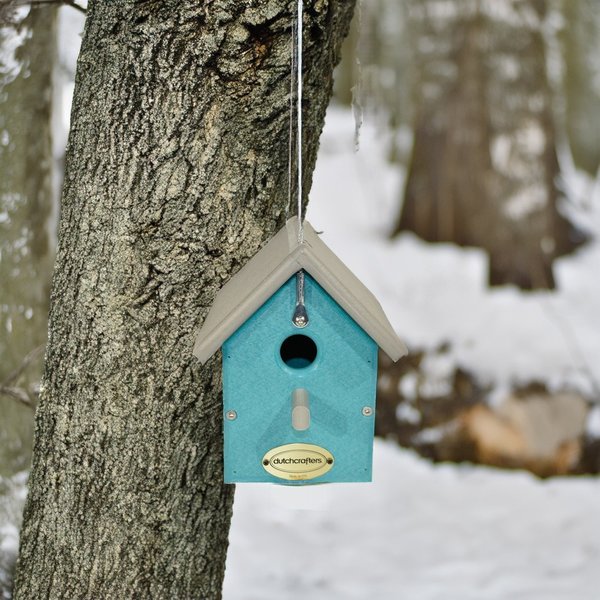
Wrens do not need a perch outside their house. In fact, a perch can attract predators or competitors. If you want to keep wrens safe, avoid adding one. Have you noticed any birdhouses with perches in your area? What happened to those nests?
Credit: www.dutchcrafters.com
Frequently Asked Questions
Do Wrens Prefer Bird Houses With Perches?
Wrens typically do not need perches on their bird houses. Perches can attract predators and other birds. Without perches, wrens can safely enter and exit. It’s best to avoid adding perches to keep the wrens secure.
Why Avoid Perches On Wren Bird Houses?
Perches can invite predators and undesirable birds. Wrens are agile and don’t require perches for access. By eliminating perches, you reduce competition and increase safety. This design helps in maintaining a safe nesting environment.
How Can Perches Affect Wren Safety?
Perches can compromise the safety of wren bird houses. Predators find it easier to access nests. Wrens don’t need perches for entry, so eliminating them enhances security. It ensures that only wrens use the house, keeping predators at bay.
What Attracts Wrens To Bird Houses?
Wrens are drawn to houses with small entry holes and no perches. They prefer secluded locations with nearby food sources. Proper ventilation and drainage also make the house more attractive. Placing the house at a suitable height increases its appeal.
Conclusion
Wren bird houses do not need a perch to be useful. Wrens prefer small, cozy spaces without extra parts. Perches can make it easier for predators to reach the nest. Birds usually land on the house edge or nearby branches.
Providing a safe, clean home is more important than adding a perch. Focus on proper size and shelter to attract wrens. Simple designs work best and keep wrens comfortable. Let nature guide your birdhouse setup for happy visitors.