
When it comes to caring for your feathered friends, you’re always on the lookout for toys that will keep them entertained and happy. You might have wondered, “Can you use jingle bells on bird toys?”
It’s a question that taps into your desire to provide the best for your pet while ensuring their safety. Imagine your bird, intrigued by the tinkling sound, engaging more actively with their toys. But there’s more to this than meets the eye—or ear.
Discover the benefits and potential risks of jingle bells in bird toys, and make informed decisions that enhance your bird’s playtime experience. Dive in to explore what’s best for your colorful companion!
Benefits Of Jingle Bells For Birds
Jingle bells add fun and excitement to bird toys. Birds love to hear sounds that catch their attention. The gentle ringing can stimulate their senses and keep them entertained for hours. This simple addition can make playtime more enjoyable and engaging for pet birds.
Besides fun, jingle bells offer several benefits that support a bird’s well-being. They encourage natural behaviors and provide mental stimulation. These small bells can become a favorite part of a bird’s toy collection.
Enhances Mental Stimulation
Jingle bells create interesting sounds that keep birds curious. The noise encourages birds to explore and interact with their toys. This mental activity helps prevent boredom and stress in captive birds.
Encourages Physical Activity
Birds often peck or nudge jingle bells to make noise. This movement promotes exercise and keeps birds active. Physical activity supports healthy muscles and joints.
Supports Natural Behaviors
Many birds enjoy foraging and playing with noisy objects. Jingle bells mimic natural sounds birds might hear in the wild. This helps birds express their instincts in a safe environment.
Strengthens Bird-owner Bond
Watching birds enjoy jingle bells brings joy to owners. Playing with noisy toys can encourage interaction and trust. This shared playtime improves the bond between bird and owner.

Credit: www.northernparrots.com
Safety Concerns With Bells
Bells can be fun additions to bird toys, but safety matters most. Birds are curious and use their beaks to explore toys. Bells might seem harmless, yet they can cause risks. Understanding these risks helps keep birds safe and happy.
Choking Hazards From Small Parts
Small bells or loose pieces can break off easily. Birds may swallow these parts by accident. Swallowing small items can block their throat or cause injury. Always check bell size and attachment strength before use.
Sharp Edges And Metal Risks
Some bells have rough or sharp edges. Birds can cut their beaks, tongues, or feet on these edges. Metal bells may rust or corrode over time. Rusty metals can harm birds if ingested.
Noise Levels And Bird Stress
Loud jingling sounds can scare or stress birds. Constant noise may cause anxiety and reduce playtime. Choose bells that make gentle sounds to keep birds calm.
Material Safety And Toxicity
Not all bells are made from bird-safe materials. Paint, coatings, or metals might contain harmful chemicals. Birds may ingest toxins by chewing on bells. Look for bells labeled as non-toxic and safe for pets.
Choosing The Right Jingle Bells
Choosing the right jingle bells for bird toys is more important than you might think. Not all bells are safe or suitable for your feathered friend, so selecting the right ones can make a big difference in their playtime enjoyment and safety. Let’s look at what you should consider to find the best bells for your bird’s toy collection.
Material Matters For Safety And Durability
Pick bells made from non-toxic metals like stainless steel or brass. These materials won’t rust or break easily, ensuring your bird won’t be exposed to harmful substances. Avoid bells with paint or coatings that could chip and be ingested.
Think about durability too. Birds love to chew, so bells that can withstand pecking without falling apart are best. I once bought a cheap plastic-coated bell, and it broke within days, which could have been dangerous for my parrot.
Size Should Match Your Bird’s Species
The bell’s size should fit your bird’s beak and play style. Small bells suit tiny birds like finches or budgies, while larger bells work well for bigger parrots. Too big or too small can either be a choking risk or simply ignored.
Consider the weight as well. Heavy bells might tire out smaller birds quickly or discourage them from playing. You want a bell that invites interaction, not one that feels like a burden.
Sound Level And Tone Affect Engagement
Not all jingle bells sound the same. Some produce a loud, sharp ringing, while others offer a softer, more pleasant chime. Pay attention to your bird’s reaction—some birds love noise, while others can be startled or stressed.
Try different tones to see what excites your bird the most. A bell that encourages play without causing distress can keep your pet entertained for hours.
Attachment Style For Secure And Easy Use
Look at how the bell attaches to the toy. Secure attachments prevent bells from falling off and becoming hazards. Bells with a sturdy loop or clip make it easier for you to add and remove them when cleaning or replacing.
Loose or flimsy attachments increase the risk of lost bells and potential ingestion of small parts. When I switched to bells with solid metal loops, I noticed fewer replacements and safer playtime.

Credit: www.amazon.com
Creative Ways To Use Bells On Toys
Using bells on bird toys can bring a lot of joy and stimulation to your feathered friend. Bells create sound that piques a bird’s curiosity and encourages play. But how can you creatively add bells to toys without overwhelming your bird or risking safety?
Add Bells To Hanging Toys
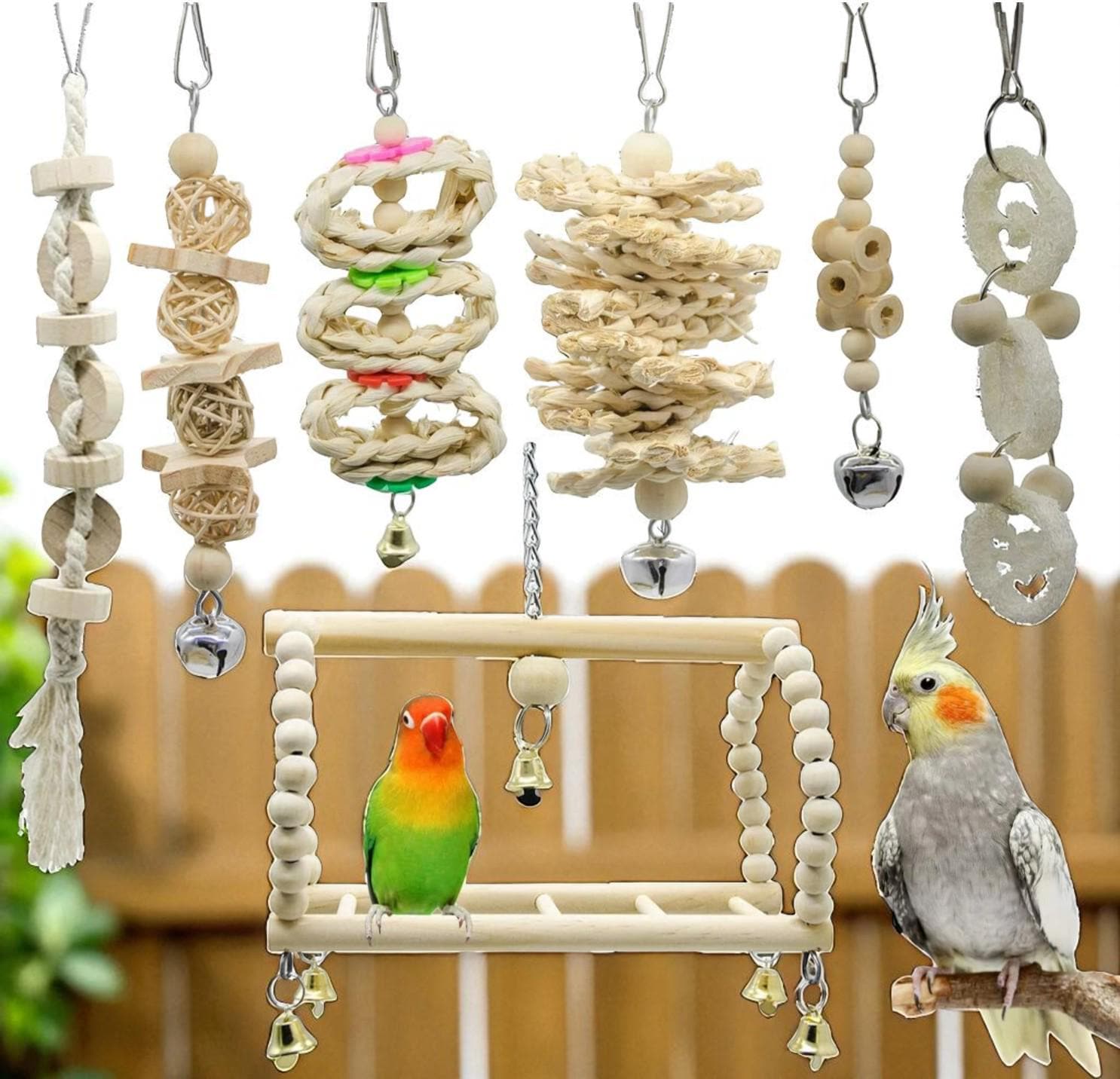
Attach small jingle bells to hanging toys like ladders or swings. This adds an interactive sound element when your bird moves or climbs. Make sure the bells are securely fastened and large enough to prevent accidental swallowing.
Combine Bells With Foraging Toys
Hide bells inside foraging toys to surprise your bird when they discover them. The sound rewards their effort and encourages problem-solving. This keeps your bird mentally active and entertained for longer periods.
Create Bell Clusters For Noise Play
Group several bells together on a single toy to make a fun noise cluster. Your bird can peck or shake the toy to produce a lively jingling sound. This setup works well for birds that love auditory stimulation and active play.
Use Bells To Encourage Exercise
Place bells on climbing ropes or swings to motivate your bird to move around more. The sound acts as a playful signal that their activity creates fun results. This can help keep your bird physically fit and engaged.
Attach Bells To Puzzle Toys
Add bells to puzzle toys where your bird must move parts to access a treat. The jingling feedback lets them know they’re on the right track. This combination boosts your bird’s confidence and makes playtime rewarding.
Have you noticed how your bird reacts to the sound of bells? Observing their preferences can guide you in selecting the best ways to add bells to their toys. What kind of bell sounds does your bird enjoy most?
Credit: www.etsy.com
Frequently Asked Questions
Can You Safely Use Jingle Bells On Bird Toys?
Yes, jingle bells can be safe if they are non-toxic and securely attached. Avoid small bells that birds can swallow or sharp edges that can harm them.
What Types Of Jingle Bells Are Best For Bird Toys?
Choose bells made of bird-safe materials like stainless steel or brass. They should be large enough to prevent choking and free from toxic coatings or paint.
How Do Birds React To Jingle Bells On Toys?
Many birds enjoy the sound and stimulation from jingle bells. It can encourage play and exercise, but some birds might find the noise stressful.
Are There Any Risks Using Jingle Bells With Birds?
Risks include choking, ingestion of metal, or injury from sharp edges. Always supervise playtime and regularly inspect bells for wear or damage.
Conclusion
Jingle bells can add fun sounds to bird toys. Birds often enjoy the noise and movement. Watch your bird carefully to ensure safety. Small bells can sometimes be a choking risk. Choose bells made from non-toxic materials only. Replace any broken or sharp parts right away.
Safe toys keep your bird happy and healthy. Always check how your bird reacts to new toys. Variety in toys helps prevent boredom and stress. Enjoy creating a playful space for your feathered friend.