

Have you ever found a bird’s nest in an inconvenient spot and wondered, “Can I move it?” It’s a question many nature lovers and homeowners ask when nests appear where they might cause trouble. You might worry about harming the birds or breaking the law.
But what if moving the nest is the only way to protect both your space and the birds? You’ll discover everything you need to know before making a move. Keep reading to find out when it’s safe to relocate a nest, how to do it carefully, and what rules you must follow to keep both you and the birds safe.
Reasons To Move A Bird Nest
Moving a bird nest is a delicate task that requires valid reasons. Birds build nests for safety and raising their young. Sometimes, the nest location puts the birds or humans at risk. Understanding why a nest needs moving helps protect both the birds and the environment.
Safety Concerns
Nests placed near predators or harsh weather pose danger. Strong winds or heavy rain can damage nests. Moving nests can protect eggs and chicks from harm. It ensures young birds have a better chance to survive.
Construction Issues
Sometimes nests are built on unstable surfaces. Loose branches or weak structures can fall easily. Birds may choose unsafe spots by mistake. Moving the nest to a sturdier place helps keep it intact.
Human Activity Interference
Nests near busy areas face constant disturbance. Loud noises and frequent movement stress birds. Construction work or gardening can destroy nests accidentally. Relocating nests reduces stress and avoids accidental damage.
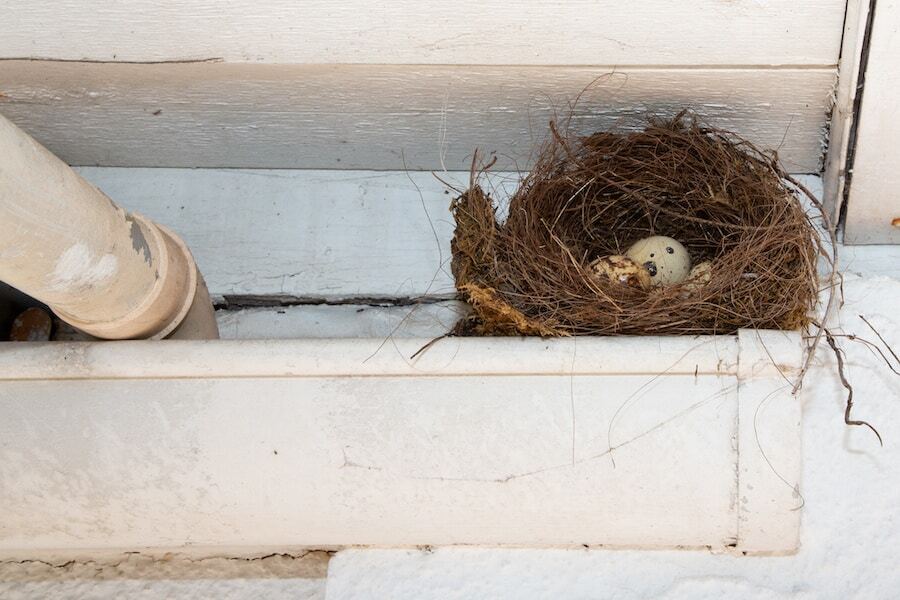
Credit: www.callnorthwest.com
Legal Restrictions On Moving Nests
Moving a bird nest might seem like a simple task, but it’s important to understand the legal boundaries before you act. Laws protect many bird species and their nests to ensure their survival and well-being. Ignoring these rules can lead to serious consequences, so knowing what’s allowed is crucial.
Protected Bird Species
Many birds are protected by law, especially those considered endangered or threatened. These species often have strict rules against disturbing their nests. Even common birds might be covered under local or national wildlife protection laws.
For example, in the United States, the Migratory Bird Treaty Act protects over 1,000 species. This means you cannot move, destroy, or interfere with their nests without special permission. Have you checked if the birds in your yard fall under such protection?
Permits And Regulations
If you find a nest that truly needs to be moved—due to construction or safety reasons—you usually must get a permit. These permits come from wildlife agencies and require you to follow specific guidelines. The process ensures that the nest relocation minimizes harm to the birds.
Permits might require you to move the nest at certain times of day or year, or to specific locations. Always contact your local wildlife authority before taking any action. Do you know who to call in your area for this information?
Penalties For Illegal Relocation
Moving a bird nest without the proper permits can lead to fines and legal trouble. Penalties vary depending on the species and the damage caused. Some violations can even result in criminal charges.
For example, disturbing a protected bird’s nest could cost you thousands in fines or more. Besides legal risks, illegal moves can harm the birds and their chicks, sometimes causing abandonment. Is the risk worth it when you can seek legal guidance instead?
Best Practices For Relocating Nests
Relocating a bird nest requires care and careful planning. Birds are sensitive to changes and stress. Following best practices helps protect the birds and supports their chance of survival. Proper timing, location, and handling are key to a successful move.
Timing The Move
Move the nest early in the morning or late in the evening. These times are cooler and quieter. Avoid moving nests during heavy rain or strong winds. Do not relocate eggs or chicks unless absolutely necessary. Wait until the nest is empty if possible. This reduces the risk of harm to the birds.
Choosing A New Location
Select a spot similar to the original location. It should be safe from predators and harsh weather. Look for places with good shelter and shade. Avoid areas with high human traffic or loud noises. Place the nest at the same height as before. This helps birds find it easily and feel secure.
Minimizing Stress To Birds
Handle the nest gently and quickly. Use clean hands or gloves to avoid transferring scents. Keep the nest intact to prevent damage. Limit noise and movement around the nest during the move. After relocating, step away quietly and give birds space. Watch from a distance to ensure they return safely.

Credit: www.reddit.com
Alternatives To Moving Bird Nests
Moving a bird nest can be risky and stressful for the birds involved. Instead of relocating nests, consider other ways to manage bird activity around your home or garden. These alternatives protect the birds while addressing your concerns effectively.
Deterring Birds Safely
You can gently discourage birds from nesting in unwanted spots without harming them. Use visual deterrents like reflective tape, shiny objects, or decoy predators to make the area less inviting.
Sound deterrents can also help, but avoid loud noises that may stress the birds. Placing barriers such as netting or bird spikes in key areas prevents access without causing injury.
Providing Suitable Nesting Sites
Offering birds a better option often works wonders. You might install birdhouses or nesting boxes in safer, more convenient locations nearby.
Choose spots sheltered from harsh weather and predators. This encourages birds to move naturally without forcing them, creating a win-win situation for you and the wildlife.
Consulting Wildlife Experts
Sometimes, the best step is to ask for professional advice. Wildlife experts understand bird behavior and can recommend solutions tailored to your situation.
They can also inform you about local laws protecting certain bird species and nests. Have you ever contacted a local wildlife center? Their guidance can save you time and prevent unintended harm to birds.
Frequently Asked Questions
Is It Legal To Move A Bird Nest?
Moving a bird nest is often illegal due to wildlife protection laws. These laws safeguard birds, especially during nesting. Always check local regulations before considering nest relocation. It’s best to contact wildlife authorities for guidance.
Why Shouldn’t You Move A Bird Nest?
Moving a bird nest can harm or endanger the birds. Birds may abandon their young if disturbed. Relocation can also disrupt their natural habitat and lifecycle. Always prioritize the birds’ safety and well-being.
What Should You Do If A Nest Is In Danger?
If a nest is in immediate danger, contact wildlife authorities for assistance. They can provide appropriate solutions. Avoid handling the nest yourself. Professional guidance ensures the best outcomes for the birds involved.
Can You Move A Nest Without Harming Birds?
Relocating a nest without harming birds is challenging and risky. Birds may reject relocated nests. Professional wildlife experts are best equipped to handle such situations. They ensure minimal disruption to the birds.
Conclusion
Moving a bird nest can be tricky and needs care. Birds may abandon nests if disturbed. Always check local laws before touching a nest. Sometimes, leaving the nest where it is best helps the birds. If you must move it, do so gently and quickly.
Respect nature and the lives it supports. Helping birds means understanding their needs and space. Keep watching quietly and enjoy their growth from afar.