

Have you ever wondered if covering your bird’s cage at night is safe? You might have heard that it helps them sleep better, but you’re worried about their ability to breathe properly.
This is a common concern for bird owners like you, who want nothing but the best for their feathered friends. The truth is, your bird’s health and happiness depend on understanding what they need to thrive. By reading further, you’ll discover the surprising facts about cage covers and breathing, helping you make informed decisions.
Don’t leave your bird’s well-being to chance—find out if your bird can breathe safely with a cage cover and ensure peaceful nights for both of you.

Credit: www.reddit.com
Purpose Of Cage Covers
Using a cage cover for your bird isn’t just about aesthetics or routine—it plays a crucial role in your bird’s daily life. Cage covers help create a secure and calm environment, especially during sleep or stressful moments. But have you wondered how they actually affect your bird’s breathing and overall comfort?
Benefits For Bird Comfort
Cage covers can help regulate your bird’s exposure to light and noise, which is vital for their sleep cycle. By dimming the surroundings, they support a natural rest period, reducing stress and promoting better health.
Covering the cage also provides a sense of safety, mimicking the cozy, sheltered spaces birds seek in the wild. This can help lower anxiety, especially in noisy or busy households.
However, it’s important to ensure the cover allows enough airflow. Birds need fresh air to breathe comfortably, so the material and fit matter a lot here.
Common Types Of Cage Covers
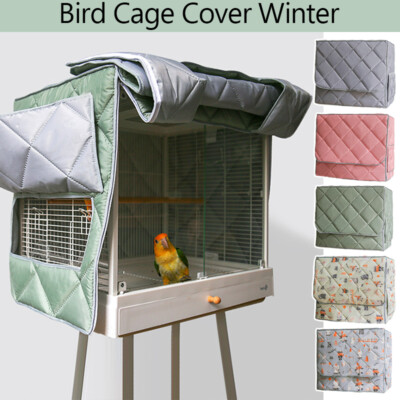
- Lightweight Cotton Covers:These are breathable and easy to clean, offering good air circulation while providing darkness.
- Fleece Covers:Warmer and thicker, fleece is ideal for colder environments but may restrict airflow if too dense.
- Mesh or Screen Covers:Designed for maximum ventilation, these covers protect from drafts while allowing your bird to see out.
- Custom-made Covers:Tailored to fit specific cage sizes and needs, these often combine materials for balance between darkness and ventilation.
Have you checked how your cage cover affects your bird’s breathing? Choosing the right type can make a noticeable difference in their comfort and health. It’s worth trying different covers to see which one your bird prefers.
Credit: www.ebay.com.au
Breathing Concerns With Covers
Covering your bird’s cage can feel like a comforting way to help them sleep or reduce stress. But have you ever paused to think about how this might affect their breathing? Birds have very delicate respiratory systems, and a cage cover can either help or harm their ability to breathe well, depending on the type of cover and how it’s used.
Airflow And Ventilation Needs
Birds need fresh air to stay healthy, and a cage cover can sometimes block essential airflow. If the cover is too thick or made of non-breathable material, it might trap heat and moisture inside the cage. This creates a stuffy environment that can make it hard for your bird to breathe comfortably.
Think about the last time you were in a room with poor ventilation—you probably felt stuffy and short of breath. Your bird can experience the same discomfort or worse. Using a lightweight, breathable fabric like cotton with plenty of openings lets air circulate while still providing a sense of security.
Signs Of Respiratory Distress
How do you know if your bird is struggling to breathe under a cage cover? Watch closely for:
- Open-mouth breathing or rapid breathing
- Tail bobbing with each breath
- Excessive sneezing or coughing
- Lethargy or unusual quietness
If you notice any of these signs, remove the cover immediately and allow fresh air in. Your bird’s breathing should return to normal quickly if the cover was the problem. Ignoring these symptoms can lead to serious health issues.
Safe Cage Cover Practices
Using a cage cover can help your bird feel safe and sleep better. It also keeps the cage clean and blocks out bright lights and loud noises. But not all cage covers are safe for your bird. It is important to choose the right material and use the cover properly. This way, your bird can breathe easily and stay healthy.
Choosing The Right Material
Select cage covers made from breathable fabrics. Cotton or lightweight mesh works well. Avoid thick or plastic covers that trap heat and reduce airflow. Dark colors help block light but should still allow air to pass through. Wash covers often to keep them clean and free from dust or mold. Clean covers help prevent breathing problems in birds.
Proper Usage And Monitoring
Cover the cage only during your bird’s sleep time or quiet hours. Remove the cover during the day to allow fresh air and sunlight. Check your bird often for signs of distress, such as heavy breathing or restlessness. Make sure the cage is not too hot or cold under the cover. Always leave enough room for your bird to move and breathe freely inside the cage.

Credit: www.reddit.com
Frequently Asked Questions
Can Birds Breathe Easily With Cage Covers On?
Yes, birds can breathe with cage covers if the cover allows proper airflow. Always use breathable fabric covers to prevent suffocation and keep air circulating.
Do Cage Covers Affect A Bird’s Oxygen Supply?
Cage covers can reduce oxygen supply if they block ventilation. Use lightweight, breathable materials to ensure your bird gets enough fresh air.
How To Choose The Right Cage Cover For Breathing?
Select cage covers made of breathable, lightweight fabric. Avoid plastic or heavy materials that limit airflow and cause breathing difficulties.
Can Cage Covers Cause Respiratory Problems In Birds?
Improper cage covers can cause respiratory issues by trapping moisture and limiting fresh air. Use covers that allow ventilation to keep your bird healthy.
Conclusion
Birds can breathe well even with a cage cover on. Proper airflow is key to keep your bird healthy. Choose a cover made from breathable fabric. Avoid covers that trap heat or reduce air too much. Always watch your bird’s behavior and comfort.
A well-ventilated cover helps your bird sleep and feel safe. Caring for your bird means balancing warmth and fresh air. A simple, breathable cover is best for your feathered friend.