

Do you find yourself wondering if your furry friend can enjoy a nibble of bird suet? You’re not alone.
As a dog owner, you always want to provide the best for your pet while ensuring their safety and health. The answer to whether dogs can eat bird suet might surprise you, and it’s more important than you think. Before you let your dog indulge, it’s crucial to know the facts.
In this blog post, you’ll discover the potential risks and benefits associated with dogs consuming bird suet. This insight could be the key to keeping your beloved pet safe and happy. So, let’s dive in and unravel the mystery surrounding this popular pet query!
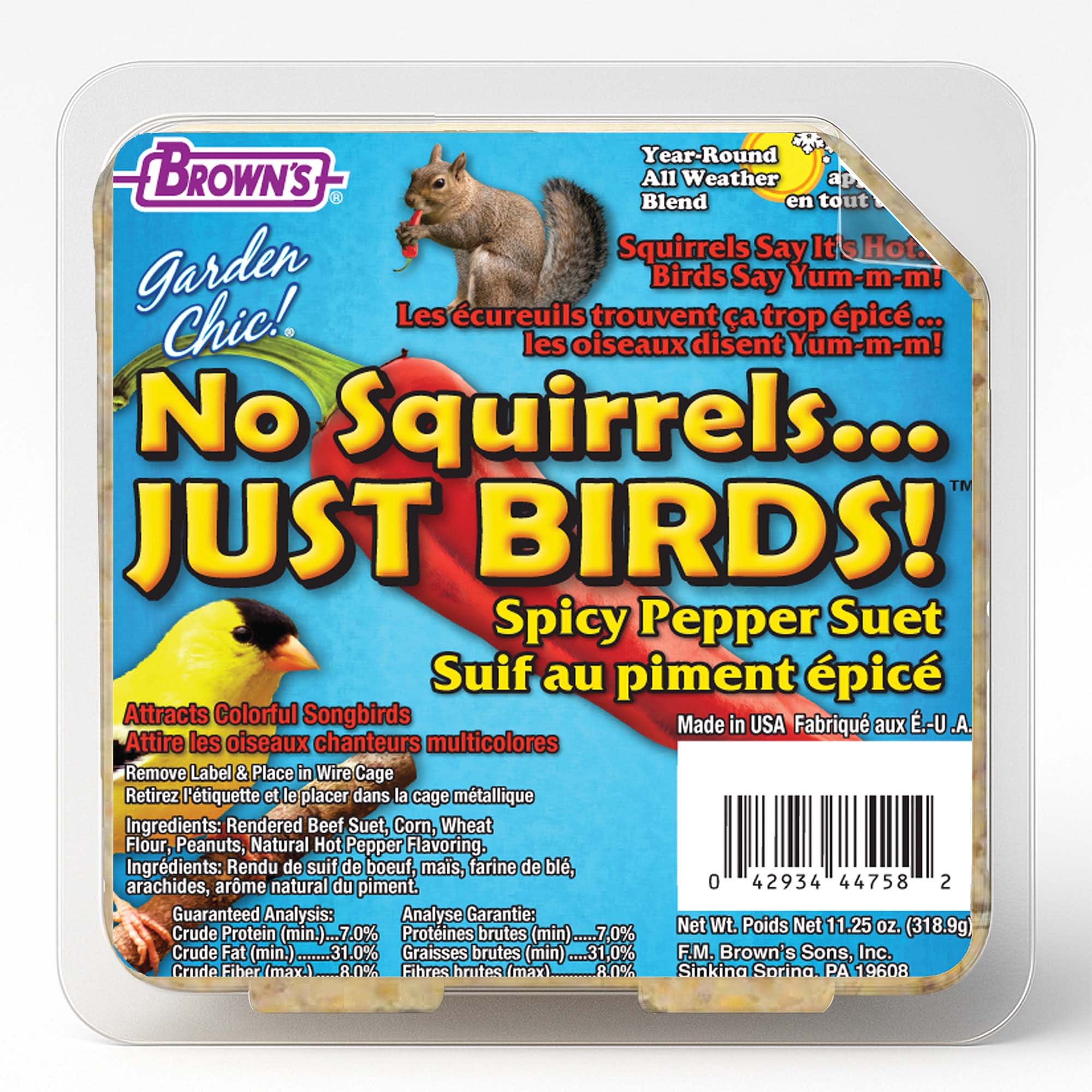
Credit: www.petco.com
Bird Suet Composition
Understanding what bird suet is made of helps you decide if it’s safe for your dog. Bird suet is a high-energy food designed to attract wild birds, but its ingredients can vary widely. Knowing its composition allows you to spot any harmful additives before offering it to your furry friend.
What Ingredients Are Commonly Found In Bird Suet?
Most bird suet is made from animal fat, usually beef or pork fat. This fat provides the energy birds need, especially in cold weather. Along with fat, manufacturers add seeds, grains, nuts, and sometimes dried fruits to appeal to different bird species.
- Rendered animal fat (beef or pork)
- Sunflower seeds, millet, cracked corn
- Peanuts or other nuts
- Dried berries or fruits
- Sometimes added vitamins or minerals
Check the label carefully, as some suet may include preservatives or artificial flavors that could upset your dog’s stomach.
Are There Any Hidden Ingredients To Watch Out For?
Some suet blocks contain added salt or sugar, which are not suitable for dogs. Others might have raisins or chocolate bits, both toxic to dogs even in small amounts. Even natural-looking suet can have ingredients that cause allergies or digestive issues in pets.
Have you ever checked the ingredients list on bird suet packaging? It’s surprising how many contain components that could harm your dog.
How Does The Fat Content Affect Your Dog?
Bird suet is high in fat, which can be tough on your dog’s digestive system. Too much fat can lead to pancreatitis, a serious health condition. If your dog is overweight or has a sensitive stomach, even small amounts of suet might cause problems.
Think about your dog’s usual diet—does it already include rich, fatty foods? If yes, adding suet might overload their system.
Can Homemade Bird Suet Be Safer For Dogs?
Making suet at home lets you control exactly what goes into it. You can use plain animal fat and add safe seeds like sunflower or pumpkin without any additives. This approach reduces the risk of harmful ingredients sneaking in.
Have you tried making your own suet? It’s simple, and you can avoid common suet ingredients that dogs shouldn’t eat.
Potential Risks For Dogs
Bird suet is a high-energy food made mostly of animal fat. It can be tempting for dogs to eat due to its strong smell and taste. Despite this, bird suet poses several health risks to dogs. Understanding these risks helps keep pets safe and healthy.
Bird suet often contains ingredients harmful to dogs. The fat content is very high, which can upset a dog’s stomach. Eating too much suet may cause vomiting or diarrhea. In some cases, it can lead to serious conditions like pancreatitis, an inflammation of the pancreas.
Some suet mixes include seeds, nuts, or dried fruits. These ingredients might cause choking or allergic reactions. Certain nuts, like macadamia, are toxic to dogs. Bird suet can also contain additives or preservatives that dogs should avoid.
High Fat Content And Digestive Issues
Bird suet is rich in fat. Dogs eating too much fat risk stomach pain and diarrhea. Excess fat can also trigger pancreatitis, which is painful and requires vet care. Dogs with sensitive stomachs are at higher risk.
Potential For Toxic Ingredients
Some suet mixes have ingredients toxic to dogs. Nuts like macadamia can cause weakness and tremors. Raisins or grapes found in some suet are poisonous to dogs. Avoid any suet containing these items.
Choking Hazard And Allergies
Bird suet may contain seeds and nuts that pose choking risks. Small dogs especially can choke on hard bits. Allergic reactions can cause itching, swelling, or breathing problems. Watch for any signs of allergy after exposure.
Risks From Additives And Preservatives
Many suet products include chemicals to keep them fresh. Some preservatives can irritate a dog’s digestive system. Artificial flavors or colors may cause allergic reactions. Natural suet without additives is safer but still risky.
Signs Of Suet Poisoning
Bird suet contains fats and ingredients that can be harmful to dogs. Eating suet may cause poisoning, which needs quick attention. Recognizing the signs of suet poisoning helps protect your dog’s health and well-being.
Gastrointestinal Issues
- Vomiting is a common sign after eating suet.
- Diarrhea may follow, sometimes with blood.
- Loss of appetite can also occur quickly.
- Stomach pain or discomfort often makes dogs restless.
Behavioral Changes
- Dogs may become unusually tired or weak.
- Restlessness or pacing can indicate pain.
- Excessive drooling is a sign of nausea.
- Some dogs may show signs of anxiety or distress.
Respiratory Problems
- Difficulty breathing may occur in severe cases.
- Coughing or wheezing can be a warning.
- Rapid or shallow breathing is a serious symptom.
Neurological Symptoms
- Tremors or shaking may appear if poisoning worsens.
- Loss of coordination can make walking difficult.
- Seizures are rare but require immediate help.

Credit: www.amazon.com
Safe Treat Alternatives
Choosing safe treat alternatives for your dog is essential, especially if you’re concerned about the risks of feeding them bird suet. Bird suet often contains additives and fats that aren’t ideal for canine digestion. Luckily, there are plenty of healthier options that your dog will love and that support their well-being.
Healthy Meat-based Treats
Lean meats like cooked chicken, turkey, or beef make excellent treats. They provide protein without the excess fat found in bird suet. Try cutting these into small, bite-sized pieces to reward your dog during training or playtime.
If you want to add variety, consider freeze-dried meat treats available at pet stores. These are free of preservatives and easy to store, making them a convenient option.
Fruits And Vegetables Your Dog Can Enjoy
Many dogs enjoy crunchy fruits and veggies such as carrots, green beans, and apple slices (without seeds). These treats offer vitamins and fiber without unnecessary calories.
Have you noticed how your dog perks up when given something fresh and crunchy? Offering these natural snacks can make treat time both fun and nutritious.
Commercial Dog Treats With Natural Ingredients
Look for treats labeled with simple, recognizable ingredients. Avoid those with artificial flavors, colors, or fillers.
Brands focusing on natural ingredients often produce treats that support digestion and coat health. Checking the ingredient list can save you from unwanted additives that might upset your dog’s stomach.
Homemade Treat Recipes
Making treats at home allows you to control exactly what your dog eats. Simple recipes using oats, peanut butter (xylitol-free), and pumpkin puree can be baked into delicious snacks.
Have you tried baking dog treats yourself? It’s a fun way to ensure your furry friend gets safe, tasty rewards without any hidden dangers.
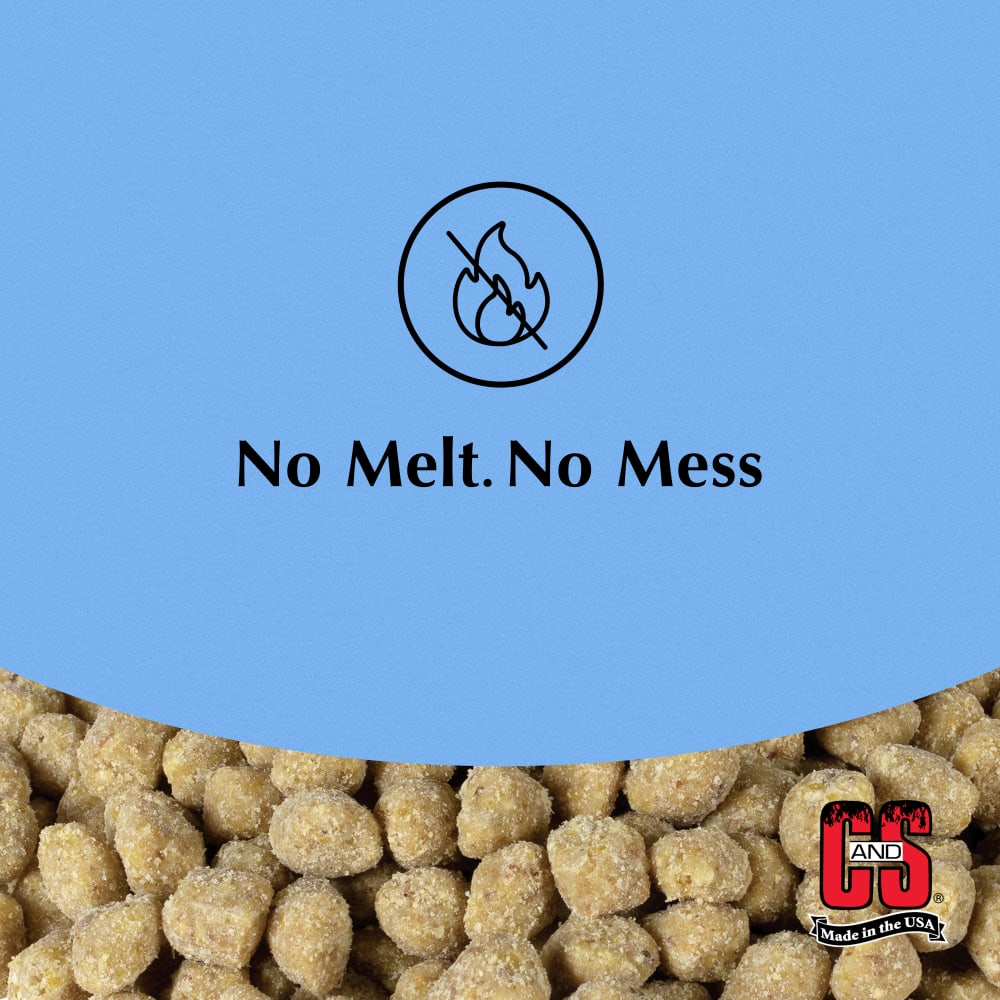
Credit: www.wildbirdsuets.com
Frequently Asked Questions
Can Dogs Safely Eat Bird Suet?
Bird suet is not toxic but isn’t ideal for dogs. It contains high fat, which can upset digestion. Feeding suet occasionally may be okay, but regular consumption can cause pancreatitis or obesity. Always consult your vet before offering suet to your dog.
What Are The Risks Of Dogs Eating Bird Suet?
Bird suet is high in fat and can cause digestive issues. It may lead to pancreatitis, diarrhea, or vomiting in dogs. Some suet mixes contain toxic additives like salt or spices. Avoid feeding suet to dogs to prevent health problems.
Are There Safer Fat Alternatives For Dogs Than Suet?
Yes, healthy fats like fish oil or flaxseed oil are better for dogs. These fats support skin, coat, and brain health without harmful additives. Always choose vet-approved supplements and avoid processed animal fats like bird suet.
How Much Bird Suet Can A Dog Eat Safely?
It’s best to avoid feeding dogs bird suet altogether. Even small amounts can upset their stomach or cause pancreatitis. If accidental ingestion occurs, monitor your dog closely and contact a vet if symptoms arise.
Conclusion
Bird suet is not safe for dogs to eat. It can upset their stomach or cause health problems. Always choose treats made specifically for dogs. Keep bird suet away from your pets to avoid risks. If your dog accidentally eats suet, watch for unusual signs.
Contact your vet if you notice anything strange. Protect your dog by giving safe and healthy snacks. Their well-being depends on careful food choices. Remember, not all human or wild animal foods suit dogs. Stay informed and keep your dog happy and healthy.