
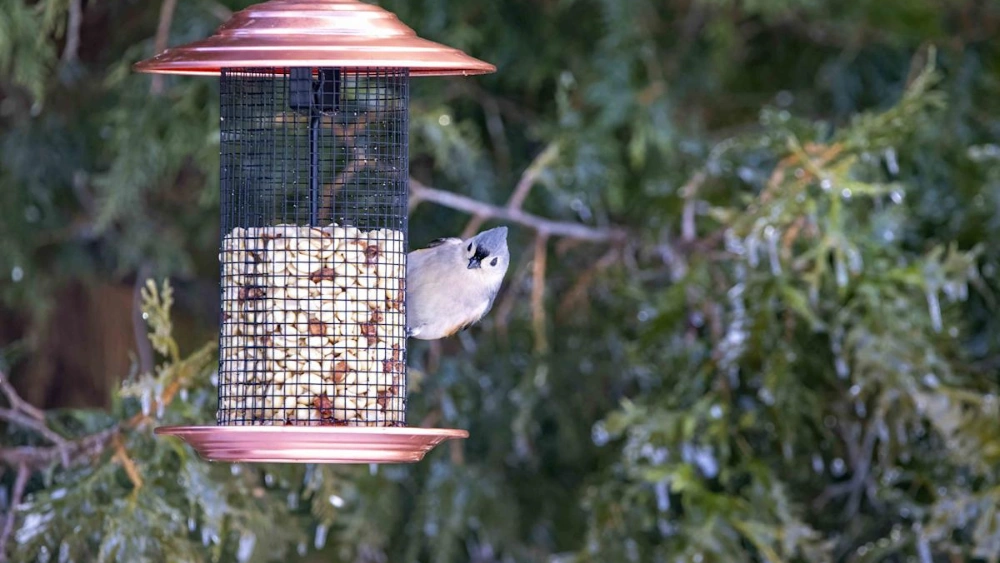
Are you tired of watching your bird feeder swing wildly in the wind, scaring away your feathered friends? You’re not alone.
Many bird enthusiasts face the frustrating challenge of keeping their bird feeders stable in trees. A swaying feeder not only deters birds from visiting but can also lead to spilled seeds and wasted food. Imagine being able to enjoy a tranquil garden scene with birds happily munching away, their gentle chirps filling the air.
This doesn’t have to be just a dream. With a few simple strategies, you can transform your bird feeder from a swinging mess to a stable haven. Ready to discover how to create a more inviting environment for your avian visitors? Let’s dive in!

Credit: www.reddit.com
Causes Of Bird Feeder Swinging
Bird feeders often swing, causing frustration for bird watchers. Understanding why feeders move helps in finding solutions. Several factors cause feeders to swing, mainly linked to nature and setup.
Wind And Weather Factors
Wind is the most common reason for feeder movement. Gusts push the feeder back and forth. Heavy rain or storms also shake feeders. Even light breezes can cause gentle swinging. Weather changes make feeders less stable.
Tree Movement
Trees naturally sway in the wind. Branches bend and twist, moving anything hanging from them. A feeder hung on a thin or flexible branch will swing more. Trees react to wind and temperature changes, causing constant motion.
Feeder Design And Placement
Some feeders are more prone to swinging due to their shape and weight. Lightweight feeders catch wind easier. Placement matters too. Hanging feeders on long cords or near edges of branches increases movement. Proper design and careful placement reduce swinging.
Credit: www.inkl.com
Simple Stabilizing Techniques
Keeping a bird feeder steady in a tree improves bird visits and reduces spillage. Simple stabilizing techniques work well to stop swinging. These methods help the feeder stay in place during wind or bird activity. Using easy tools and small adjustments can make a big difference.
Using Weights And Anchors
Attaching weights to the bottom of the feeder adds stability. Small stones or metal weights work well. The extra weight stops the feeder from swinging too much. Anchors tied to nearby branches also help. Secure the feeder’s base or bottom with a weight to keep it steady.
Tying The Feeder Securely
Use strong, weather-resistant string or wire to tie the feeder tightly. Wrap the tie around the branch and the feeder’s hanging loop. Make sure the knot is firm but not too tight to damage the tree. This keeps the feeder from moving freely and swinging.
Adding Support Lines
Attach support lines from the feeder to other tree points. These lines create extra balance and limit movement. Use thin cords or fishing lines for invisible support. Tie one or two lines from the feeder’s sides to stable branches. This technique reduces side-to-side swinging effectively.
Choosing The Right Feeder And Location
Choosing the right feeder and location helps keep your bird feeder steady. A stable setup attracts more birds and prevents damage. Consider the feeder type and where you hang it. These factors reduce swinging caused by wind or bird movement. Proper placement also keeps birds safe and comfortable.
Selecting Stable Feeder Types
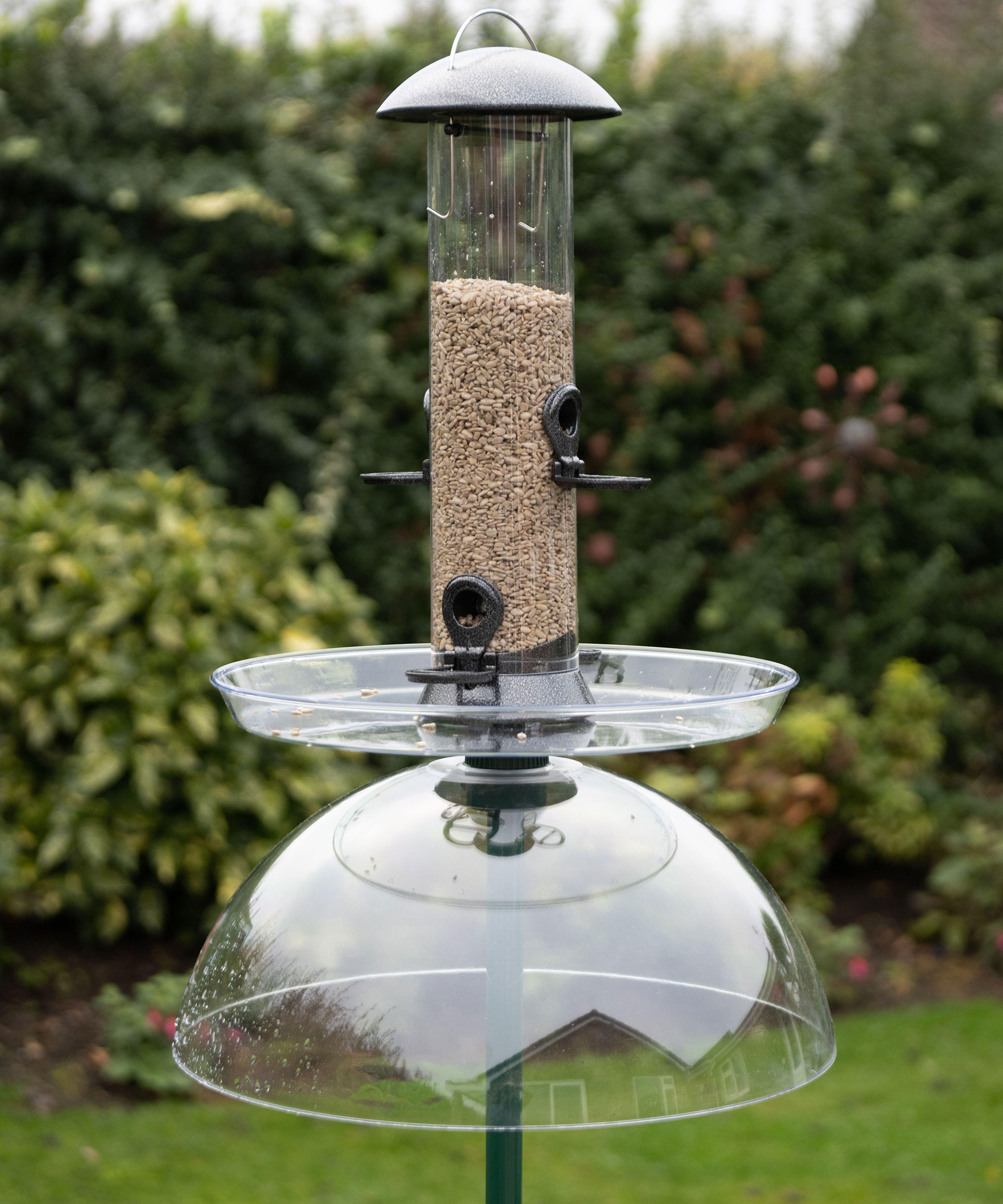
Opt for feeders made from heavy materials like metal or thick plastic. These feeders resist swinging better than light, flimsy ones. Tube feeders with multiple perches offer more balance. Platform feeders with a wide base stay steady during feeding. Avoid feeders that are too light or have uneven weight distribution.
Finding A Sheltered Spot
Hang the feeder near tree branches or shrubs for natural windbreaks. Trees block strong gusts and reduce swinging. Choose spots shielded from direct wind paths. A spot with some overhead cover protects the feeder from rain and wind. Avoid open areas where wind can push the feeder easily.
Avoiding High Traffic Areas
Place the feeder away from busy walkways and noisy spots. Frequent movement or loud sounds startle birds and cause feeder movement. Keep the feeder in quiet, low-traffic zones to reduce swinging. This also gives birds a peaceful feeding time. Quiet areas attract more birds and help the feeder stay steady.
Maintenance Tips To Prevent Swinging
Keeping your bird feeder steady in a tree is easier than you might think. A few simple maintenance practices can greatly reduce swinging and keep your feathered visitors comfortable. Let’s dive into some effective tips to maintain stability and enjoy peaceful birdwatching.
Regular Inspection And Adjustments
Check your bird feeder’s hanging mechanism regularly. Look for any signs of wear or looseness in the hooks, chains, or ropes. Tightening or replacing worn parts promptly prevents excessive movement caused by weak support.
Adjust the length of the hanging line if the feeder swings too much in the breeze. Shorter lines reduce swinging but be careful not to make it too tight, which could damage the tree or feeder. Have you noticed how even a small tweak can make a big difference?
Removing Obstructions
Branches or twigs close to the feeder can cause it to swing when wind pushes against them. Clear away any nearby obstructions to allow the feeder to hang freely without interference. This simple step can cut down on unwanted motion significantly.
Also, avoid placing feeders near busy spots where animals or people might bump into them. Less contact means less swinging. Have you ever had squirrels turn your feeder into a playground? Keeping the area clear helps prevent that chaos.
Seasonal Considerations
Weather changes affect how much your feeder swings. In windy seasons, consider adding weights to the bottom of the feeder to stabilize it. Heavy feeders or those with a weighted base stay steadier during gusts.
During winter, ice buildup can make feeders heavier and harder to hang securely. Check your feeder after storms and remove any ice to keep it balanced. Does your feeder feel different after a snowstorm? That’s a good time to inspect for extra weight.

Credit: www.reddit.com
Frequently Asked Questions
How Can I Stop My Bird Feeder From Swinging?
To stop swinging, secure the feeder with sturdy bungee cords or chains. Attach these to nearby stable branches or poles to reduce movement caused by wind or birds landing.
What Materials Help Stabilize A Bird Feeder In Trees?
Using bungee cords, zip ties, or heavy-duty chains helps stabilize feeders. These materials absorb motion and anchor feeders firmly to tree branches, preventing excessive swinging.
Can Adding Weight Reduce Bird Feeder Swinging?
Yes, adding weight below the feeder can reduce swinging. Attach a small weight or use a weighted feeder to lower movement during windy conditions or bird activity.
Where Is The Best Place To Hang A Bird Feeder To Avoid Swinging?
Hang feeders from thick, stable branches close to the tree trunk. This location minimizes wind exposure and branch movement, keeping the feeder more stable and less prone to swinging.
Conclusion
Keeping your bird feeder steady helps birds feed safely and comfortably. Use simple tricks like adding weight or fixing the hanger tightly. Placing the feeder near sturdy branches also reduces swinging. These easy steps protect your feeder from wind and movement.
Enjoy watching birds without worrying about a swinging feeder. Try these tips to create a calm feeding spot for your feathered friends. Small changes make a big difference in your backyard birdwatching experience.