
Have you ever been captivated by the whimsical motion of a drinking bird toy? It’s fascinating to watch this simple device dip its beak into a glass of water repeatedly.
But what if your drinking bird isn’t working as it should? Don’t worry; you’re not alone, and you’re in the right place. In this guide, you’ll discover the secrets to making your drinking bird toy work effortlessly. Imagine the satisfaction of getting it to move rhythmically, just as it’s designed to do.
Keep reading to uncover the simple steps and understand the science behind this charming toy. Let’s get your drinking bird back in action, delighting you and anyone who sees it!

Credit: www.youtube.com
How A Drinking Bird Works
The drinking bird toy fascinates many with its repetitive dipping motion, but understanding how it works can make it even more interesting. It’s not magic; it’s a clever use of basic science principles that you can observe and even experiment with yourself. Knowing what’s happening inside the toy helps you see why certain conditions make it work better or worse.
Basic Science Behind The Toy
The drinking bird operates on the principle of evaporation and pressure difference. When the bird’s head gets wet, the water evaporates, cooling the head down. This temperature drop causes the vapor inside the head to condense, lowering the pressure there.
Because the pressure inside the head decreases, the liquid inside the bird’s body is drawn upward. This causes the bird to tip forward, as if it’s drinking. As it tips, the liquid moves back to the bottom, equalizing the pressure and allowing the cycle to repeat.
Key Components Explained
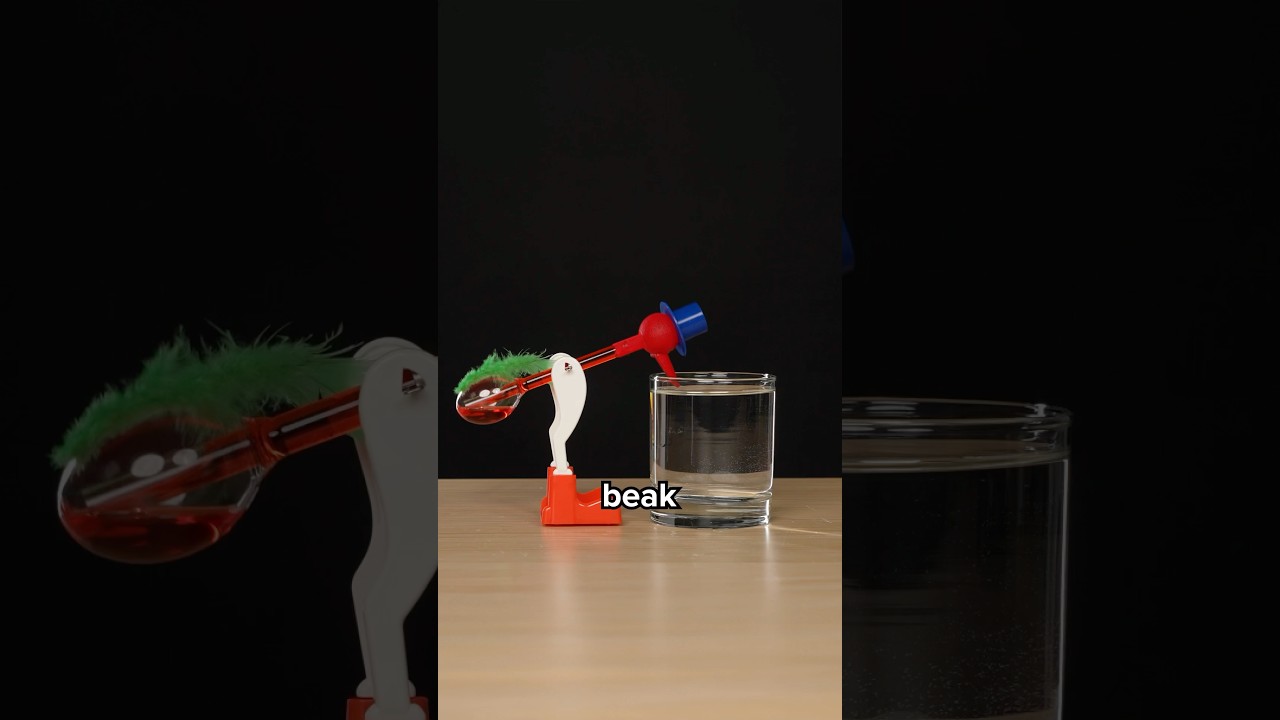
- Glass Body:The bird’s body and neck are made of glass, filled with a colored liquid, usually a mix of water and methylene chloride. This liquid moves up and down, showing the bird’s motion.
- Head and Felt:The head is covered with a felt-like material that absorbs water, facilitating evaporation and cooling.
- Pivot Point:The bird balances on a pivot, which allows it to tip forward and backward smoothly.
- Internal Vapor:Inside, the vapor pressure changes due to temperature differences, driving the liquid movement.
Have you noticed how the bird stops working in a very humid room? That’s because evaporation slows down when the air is saturated with moisture. Understanding these components helps you troubleshoot why your drinking bird might not be performing as expected and how to keep it going longer.

Credit: www.youtube.com
Setting Up Your Drinking Bird
Setting up your drinking bird correctly is key for it to work smoothly. This toy depends on simple science and needs careful placement and preparation. The right setup helps the bird keep moving and stay fun to watch. Follow these tips to get your drinking bird ready.
Choosing The Right Location
Place the drinking bird on a flat, stable surface. Avoid spots near direct sunlight or strong drafts. These can change the temperature too much and stop the bird’s motion. A quiet room with steady temperature works best. Keep it near a small cup of water for the bird to dip its beak.
Filling The Liquid Properly
Use the liquid that comes with the bird or plain water with a drop of dye. The liquid level inside the bird must be correct. Check the tube inside the bird; it should be partially full. Too much or too little liquid can break the cycle. Fill slowly and carefully to avoid air bubbles, which can stop the bird from working.
Troubleshooting Common Issues
Troubleshooting common issues with a drinking bird toy helps keep it moving smoothly. Understanding simple fixes can restore its motion quickly. Many problems stem from small, easy-to-correct factors. This section covers key issues and solutions.
Fixing Movement Problems
The bird may stop tipping due to poor balance or low liquid level. Check the liquid inside the body. It should reach halfway up the glass tube. If too low, add water mixed with a little dye.
Ensure the pivot point is clean and free of dust. Dust blocks smooth motion. Wipe gently with a soft cloth. Avoid using oils; they can gum up the mechanism.
Make sure the bird’s head is properly soaked with water. The head’s evaporation cools the liquid, driving motion. Without enough moisture, the bird won’t tip.
If the bird leans too far forward or backward, adjust its angle. Slight tilts affect the tipping action. Move the bird gently until it swings freely.
Dealing With Evaporation
Evaporation reduces liquid levels over time. This stops the bird from working. Keep the bird in a humid place to slow evaporation. Avoid dry, hot spots.
Cover the bird loosely with a plastic bag when not in use. This traps moisture and limits liquid loss. Remove the cover during play for proper airflow.
Refill the liquid regularly to maintain the correct level. Use water mixed with a few drops of food coloring. This helps track the liquid level easily.
Store the bird away from direct sunlight. Sunlight heats the liquid, speeding evaporation. A cool, shaded spot works best.
Credit: www.youtube.com
Tips For Longer Fun
Keeping your drinking bird toy working longer takes some care and creativity. Simple habits help the toy stay fun and functional. Small changes make big differences in how long it lasts.
Here are helpful tips to enjoy your drinking bird toy for a longer time.
Maintenance And Care
- Keep the toy clean by wiping it gently with a soft cloth.
- Refill the water carefully to keep the liquid level right.
- Use distilled water to prevent mineral buildup inside the bird.
- Store the toy away from direct sunlight to protect the colors.
- Check for leaks or cracks regularly to fix small issues early.
- Avoid shaking or dropping the toy to prevent damage to the glass.
- Make sure the pivot is free to move without resistance.
- Keep the room temperature stable to help the liquid work correctly.
Creative Uses And Variations
- Place the toy in different rooms to create fun decorations.
- Use colored water to add a new look and make it more interesting.
- Try small variations in the water level to change the speed of motion.
- Combine the toy with small plants or books for a playful display.
- Use the bird as a simple science demo for kids to learn about physics.
- Gift the toy with a note explaining how it works to spark curiosity.
- Place it near a window where it can catch natural light and shine.
- Experiment with different room temperatures to see how it affects movement.
Frequently Asked Questions
How Does A Drinking Bird Toy Work?
A drinking bird toy works by using evaporation and temperature differences. The bird dips its beak in water, cooling the head. This causes vapor pressure changes inside the bird, making it tip forward repeatedly, mimicking a drinking motion.
Why Isn’t My Drinking Bird Tipping Over?
Your drinking bird may not tip if the water level is too low or the head is dry. Ensure the bird’s felt head is wet and the glass of water is filled enough for the bird to dip its beak.
How Do I Make The Drinking Bird Tip More Often?
To increase tipping frequency, keep the bird’s head damp and place it in a warm, dry environment. Higher evaporation rates speed up the process, causing the bird to tip more frequently.
Can I Fix A Leaking Drinking Bird Toy?
Yes, you can fix leaks by sealing cracks with non-toxic glue or replacing damaged parts. Avoid using harsh chemicals, as they may harm the toy’s internal fluid and mechanism.
Conclusion
Making a drinking bird toy work is fun and simple. Just follow the steps carefully. Check the water level and temperature. Make sure the bird can tilt back and forth smoothly. Keep the toy clean for best results. Watch as it dips and drinks again and again.
This classic toy shows basic science in action. Enjoy seeing the bird move without batteries or wires. Try it yourself and see the magic happen. A little patience goes a long way here. Have fun experimenting with this timeless toy.