

You’ve hung a bird feeder in your yard, filled it with seeds, and now you’re eagerly waiting for your feathered friends to stop by. But how long will it really take for birds to find your feeder?
The anticipation can feel like forever, especially when you’re excited to welcome chirping guests. You might wonder if you’ve done something wrong or if they simply haven’t noticed your offering yet. Don’t worry, you’re not alone in this curiosity. Understanding the behavior of birds and their patterns can help ease your mind.
This article will unlock the secrets of how birds discover feeders and provide tips to make yours the hottest spot in the neighborhood. Stick around, and you’ll soon be the proud host of a bustling bird buffet!
Credit: www.wildbirdsuets.com
Factors Affecting Bird Discovery
How quickly birds find your feeder depends on several key factors. Understanding these can help you set up your feeder in a way that attracts birds faster. Let’s look at what really influences bird discovery.
Location And Visibility
Placing your feeder where birds can easily spot it makes a huge difference. A visible spot near trees or shrubs provides shelter and perching places, making birds feel safe. Avoid hiding feeders in dense bushes where birds might hesitate to visit.
Think about how often birds fly through your garden or yard. Is your feeder along their usual flight paths or near a water source? These small details affect how soon birds will find your feeder.
Type Of Feeder And Food
Different birds prefer different feeders and foods. Tube feeders with sunflower seeds attract finches and chickadees, while platform feeders can draw larger birds like cardinals. Offering the right food for your local birds speeds up their discovery.
Have you noticed how quickly squirrels or other animals find your feeder? Sometimes, selecting squirrel-proof feeders or specific seed types keeps the focus on birds. Experiment with seed mixes to see what your feathered visitors like best.
Local Bird Population
The number and variety of birds in your area impact how fast your feeder gets noticed. In places with fewer birds, it might take longer for word to spread—yes, birds do communicate! If your neighborhood is full of bird lovers, feeders might become popular spots quickly.
Observing your yard at different times can give clues about bird activity patterns. Are mornings busier than afternoons? Adjusting your feeder’s placement or food type based on local bird behavior can make your feeder a hotspot sooner.

Credit: birdfact.com
Speeding Up Bird Arrival
Waiting for birds to discover your feeder can test anyone’s patience. But there are smart ways to speed up their arrival and make your backyard a buzzing bird hub sooner than you think. Small changes can make a big difference in attracting feathered visitors quickly.
Choosing The Right Feed
Not all bird seeds are created equal. Different birds prefer different types of feed, so knowing your local bird species helps you pick the right seed.
- Black oil sunflower seedsattract a wide variety of birds like finches, chickadees, and cardinals.
- Nyjer (thistle) seedsare favorites of goldfinches and siskins.
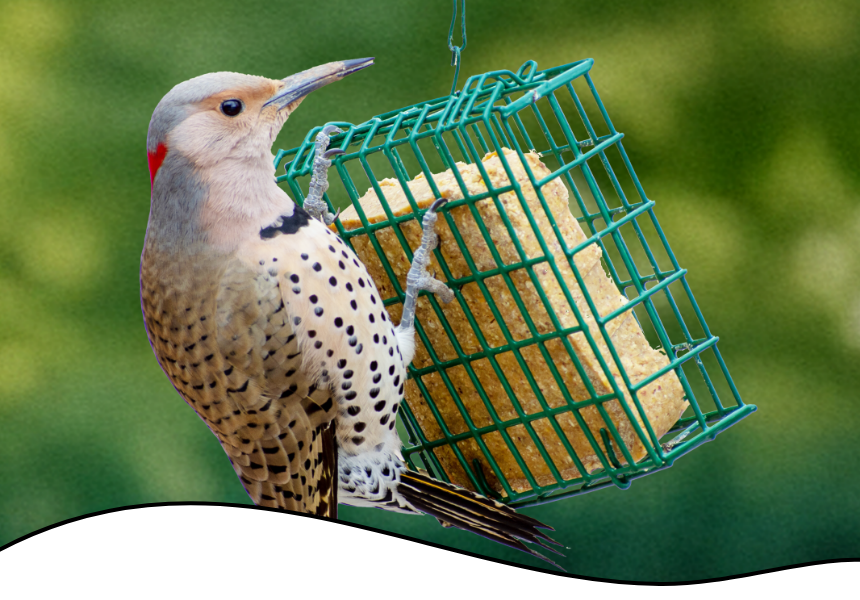
- Suet cakesbring in woodpeckers and nuthatches, especially in cooler months.
Try mixing feeds or offering different types at once to appeal to more birds. Have you noticed which seeds your neighborhood birds avoid? Removing those can help reduce waste and increase visits.
Using Bird Calls And Sounds
Birds rely heavily on sound to find food and stay safe. Playing bird calls near your feeder can catch their attention quickly.
- Use recordings of local bird songs or calls to mimic natural environments.
- Keep volume moderate to avoid scaring birds away.
- Turn the sounds on during early morning or late afternoon when birds are most active.
One time, I played chickadee calls near my feeder and saw more of them arrive within hours. Could adding sound be the shortcut your feeder needs?
Maintaining Feeder Cleanliness
A clean feeder is more inviting and keeps birds healthy. Dirty feeders can harbor mold and bacteria, which discourage birds from visiting.
- Wash your feeder with warm, soapy water every two weeks.
- Rinse thoroughly and let it dry before refilling.
- Remove old or damp seed immediately to prevent spoilage.
Keeping your feeder spotless shows birds that it’s a safe, reliable food source. When was the last time you gave your feeder a good scrub?
Common Bird Species To Expect
Knowing which bird species are likely to visit your feeder helps set realistic expectations and choose the right food. Different birds have distinct feeding habits and preferences, so your feeder’s design and contents will determine the visitors you attract. Let’s explore some common types of birds you might see and what draws them in.
Seed Eaters
Seed eaters are the most common visitors to backyard feeders. Birds like chickadees, finches, and sparrows love black oil sunflower seeds and millet. These birds are quick to discover feeders, especially if you keep them clean and filled regularly.
Have you noticed how finches often flock together? Providing nyjer seed can attract them, creating lively group visits. Offering a variety of seeds increases your chances of seeing diverse species.
Nectar Lovers
Nectar feeders attract hummingbirds and orioles, which are drawn to sweet liquids. These birds are more selective and may take longer to find your feeder, especially if you live outside their migration or breeding areas.
Using fresh sugar water and placing feeders near flowering plants can speed up visits. Ever wondered why hummingbirds hover so fast? Their high energy diet of nectar fuels their rapid wing beats and constant movement.
Insect Feeders
Some birds prefer insects over seeds or nectar. Warblers, woodpeckers, and wrens fall into this category and may visit suet feeders or natural habitat areas near your feeder. They often appear when insects are plentiful, like in spring and summer.
To attract insect feeders, consider adding suet or mealworms to your feeding station. Do you provide spots for birds to perch and search for bugs nearby? Creating a bird-friendly environment beyond just feeding can boost your chances of seeing these species.

Credit: www.youtube.com
Patience And Observation Tips
Patience is key when attracting birds to a new feeder. Birds take time to discover and trust feeders. Watching quietly and taking notes helps you understand their habits. Small changes can make a big difference over time.
Recording Visit Times
Keep a simple log of bird visits each day. Note the time and bird types you see. This helps identify patterns in feeding activity. Early morning and late afternoon often show more visits. Tracking times guides better feeding schedules.
Adjusting Feeder Placement
Try moving the feeder to different spots in your yard. Birds prefer quiet, safe places near trees or shrubs. Avoid placing feeders too close to windows or busy areas. Change locations if no birds visit after several days. Observe which spots get more bird activity.
Seasonal Variations
Bird visits change with the seasons. Winter may bring more birds seeking food. Spring and summer offer natural food sources, so visits may drop. Fall often sees increased activity as birds prepare for migration. Adjust your expectations and feeder care accordingly.
Frequently Asked Questions
How Quickly Do Birds Find New Feeders?
Birds can find new feeders within a few hours to a few days. Location, food type, and feeder visibility influence timing. Placing feeders near natural bird activity areas speeds up discovery.
What Factors Affect Birds Finding My Feeder?
Bird species nearby, feeder placement, food type, and surrounding environment affect discovery. Clear feeders and consistent food supply attract birds faster. Avoid noisy or high-traffic areas to encourage visits.
Does Feeder Type Impact How Soon Birds Arrive?
Yes, feeders designed for local bird species attract birds more quickly. Tube, platform, or suet feeders cater to different birds. Matching feeder type to local species improves chances of early visits.
How Can I Attract Birds To My Feeder Faster?
Use fresh, high-quality birdseed preferred by local birds. Place feeders near trees or shrubs for shelter. Keep feeders clean and refill regularly. Avoid sudden changes in location or food type.
Conclusion
Birds may find your feeder in a few days or weeks. Patience is key during this time. Keep your feeder clean and filled with fresh food. Place it in a quiet, safe spot outside. Watch carefully and enjoy the small visits.
Over time, more birds will come by. Your feeder will become a lively place soon. Just give nature the chance to work.