
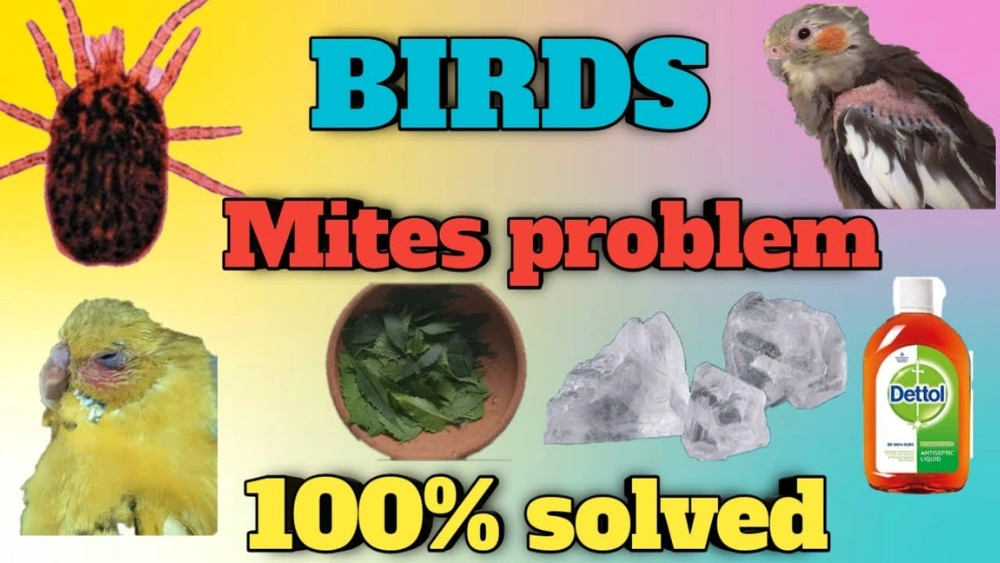
Imagine your feathered friend scratching relentlessly, showing signs of discomfort, or even losing feathers. These could be signs of a mite infestation.
Mites are tiny pests that can cause significant distress to your beloved birds. If you’re a bird owner, knowing how to treat mites is crucial to ensuring your pet’s health and happiness. But don’t worry—you’re not alone in this. You’re about to discover easy-to-follow, effective solutions to tackle this pesky problem.
Keep reading to learn how you can help your bird feel comfortable and healthy again. Your feathered companion deserves the best care, and you’re about to become their hero.
Credit: www.petcircle.com.au
Identifying Bird Mites
Bird mites are tiny parasites that cause discomfort and health issues for birds. Identifying these mites early helps protect your bird’s health. It also prevents the problem from getting worse. Knowing the signs and types of mites can guide you in finding the right treatment.
Common Symptoms
- Excessive itching and scratching
- Feather loss or damaged feathers
- Red or irritated skin
- Restlessness or unusual behavior
- Visible small moving dots on feathers or skin
- Scaly or crusty patches on the skin
- Weight loss or weakness in severe cases
Types Of Mites Affecting Birds
| Type of Mite | Description | Common Effects |
|---|---|---|
| Red Mites (Dermanyssus gallinae) | Feed on bird blood, active at night | Itching, anemia, restlessness |
| Scaly Leg Mites (Knemidokoptes mutans) | Burrow under leg scales and beak | Thickened, crusty legs and beak |
| Feather Mites | Live on feathers, feed on oils and debris | Feather damage, dull appearance |
| Air Sac Mites (Sternostoma tracheacolum) | Infect respiratory tract | Coughing, breathing difficulty |
Home Remedies For Mite Control
Dealing with mites on your birds can be stressful, but you don’t always need harsh chemicals to manage the problem. Home remedies offer gentle yet effective ways to reduce mite populations and soothe your feathered friends. These options allow you to take immediate action using items you might already have at home.
Natural Oils And Sprays
Natural oils like neem, eucalyptus, and tea tree oil are known for their mite-repelling properties. Dilute a few drops of these oils in water and spray lightly onto your bird’s feathers and around their cage. Be careful not to apply oils directly on your bird’s skin without proper dilution to avoid irritation.
I once tried a neem oil spray on my parakeet’s cage after noticing tiny mites, and within a week, the itching stopped. These oils not only repel mites but also help keep your bird’s feathers healthy and shiny. You can also mix apple cider vinegar with water as a spray; it creates an environment mites dislike.
Cleaning And Disinfection Tips
Regular cleaning of your bird’s living area is crucial to control mites. Remove bedding and wash all surfaces with warm, soapy water. After washing, disinfect cages and perches with a bird-safe disinfectant to kill any lingering mites or eggs.
Don’t forget to clean toys, food containers, and water bowls daily. Mites can hide in small cracks and crevices, so thorough cleaning is essential. How often do you check these spots? Making cleaning a routine helps prevent mite infestations before they start.
Veterinary Treatments
Veterinary treatments play a crucial role in effectively managing and curing mite infestations in birds. These treatments are designed to target mites safely without harming your feathered friend. Knowing what options are available and when to seek professional help can make a big difference in your bird’s recovery.
Medications And Their Uses
There are several medications veterinarians use to treat bird mites, each suited for different types of infestations and bird species. Common options include:
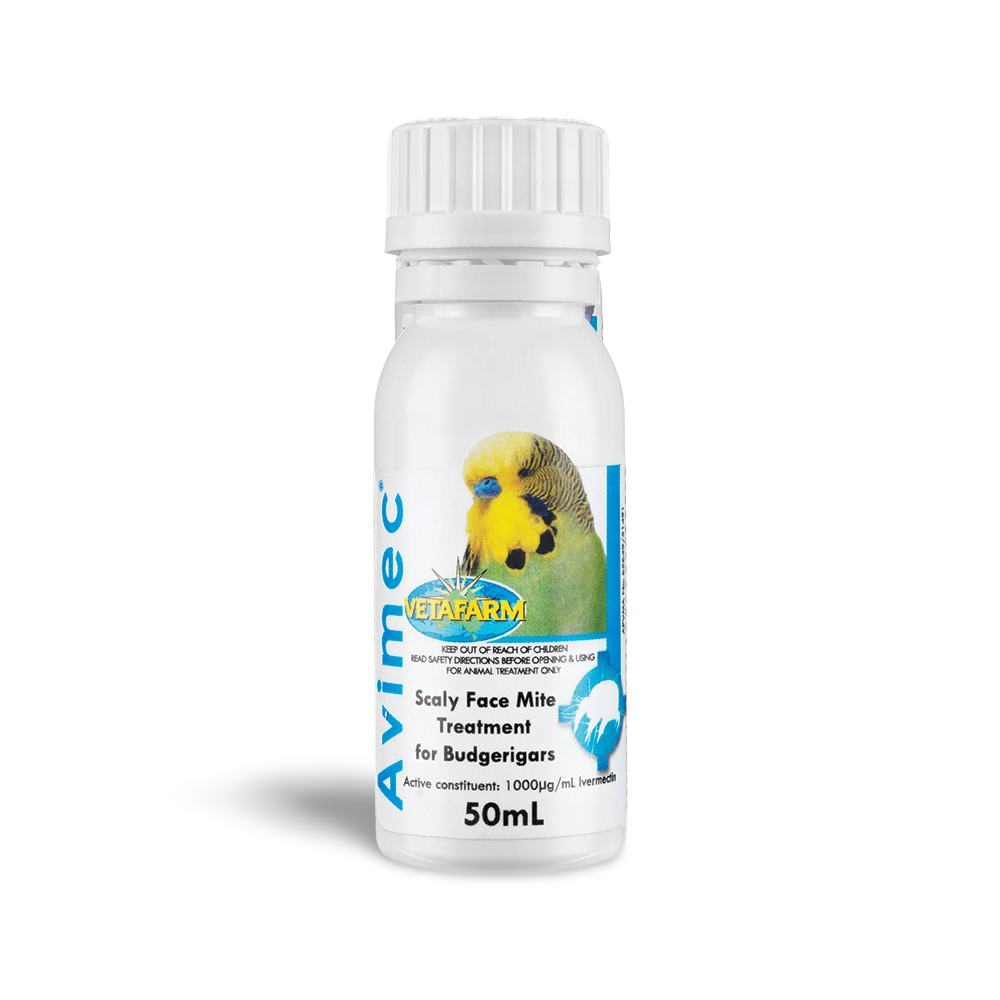
- Topical insecticides:These are applied directly to the bird’s skin or feathers to kill mites on contact. Products containing ivermectin or pyrethrin are often recommended.
- Oral medications:Some vets prescribe oral treatments that work systemically to eliminate mites from inside the bird’s body.
- Environmental sprays:These help treat the bird’s cage and surroundings, preventing re-infestation.
Each medication has specific instructions on dosage and frequency, so following your vet’s guidance is essential. Using the wrong product or dosage can stress your bird or fail to eliminate the mites.
When To Seek Professional Help
If you notice persistent itching, feather loss, or scabs on your bird, it’s time to consult a vet. Early detection and treatment prevent severe health issues.
Home remedies might seem tempting, but mites can be tricky. They reproduce quickly and hide in hard-to-reach areas. A vet can diagnose the exact mite species and recommend the most effective treatment plan.
Have you ever tried treating mites on your own? What challenges did you face? Sharing your experience with a vet can uncover solutions you might not have considered.

Credit: www.atpest.com.au
Preventing Future Infestations
Stopping mites from coming back is just as important as treating them. You need to focus on keeping your bird and its surroundings clean and safe. This helps break the cycle and protects your feathered friend from future discomfort.
Maintaining Bird Hygiene
Keep your bird’s feathers clean by offering regular baths or misting sessions. Birds enjoy water, and it helps wash away mites before they can cause trouble.
Check your bird daily for any signs of mites, such as excessive scratching or feather damage. Early detection means you can act quickly.
Trim your bird’s nails regularly to prevent them from injuring themselves while scratching. Healthy nails reduce the risk of wounds that mites love to invade.
Environmental Management
Clean your bird’s cage weekly using a bird-safe disinfectant. Mites can hide in corners and cracks, so pay special attention to these spots.
Replace bedding and perches often to remove any mite eggs or larvae. Choose materials that are easy to clean and dry quickly.
Consider placing natural mite repellents, like neem leaves, near the cage. Some bird owners have noticed fewer mites after adding these natural solutions.
Ask yourself: Are you creating a safe home for your bird, or a perfect breeding ground for mites? Small, consistent changes in your cleaning routine can make a big difference.
Credit: www.chewy.com
Frequently Asked Questions
What Are Common Signs Of Mites On Birds?
Common signs include itching, feather loss, scabs, and restlessness. Birds may also show skin redness and reduced appetite. Early detection helps prevent severe infestations.
How Do I Safely Treat Mites On My Bird?
Use vet-approved mite sprays or powders. Clean the bird’s cage thoroughly. Repeat treatments as recommended to fully eliminate mites. Always follow product instructions carefully.
Can Mites On Birds Affect Humans?
Most bird mites do not infest humans permanently. They may cause temporary itching or irritation. Proper hygiene and cleaning reduce risks of mite transfer.
How Can I Prevent Mites On Pet Birds?
Keep cages clean and dry. Regularly inspect birds for mites. Quarantine new birds before introducing them. Proper nutrition boosts bird immunity against parasites.
Conclusion
Treating mites on birds is important for their health and happiness. Start by checking your birds often for signs of mites. Use safe treatments and keep their living space clean. Regular care helps stop mites from coming back. Patience and consistency make a big difference.
Healthy birds mean a happy home. Keep learning about bird care to protect your pets. Small steps lead to big improvements. Your birds will thank you with bright feathers and cheerful songs.