

Have you ever watched a bird feeding its young and wondered how it manages to share its meal in such a unique way? It’s fascinating, isn’t it?
Birds have a curious habit known as regurgitation, where they bring up food to nourish their chicks. This behavior might seem strange to us, but it’s a crucial part of a bird’s life. Understanding how birds regurgitate their food can offer you a glimpse into the remarkable ways nature ensures survival.
Stick with us as we unravel the mysteries of this incredible process. You’ll discover not only how birds perform this act but also why it’s vital for their offspring’s growth. Your curiosity will be satisfied, and you’ll gain a newfound appreciation for these feathered creatures. Ready to dive in? Let’s explore this captivating aspect of avian life together.

Credit: knowledgeisknowledge9.medium.com
Birds’ Digestive System
Birds have a unique digestive system that supports their active lifestyles and varied diets. Understanding how their system works helps explain why some birds regurgitate food. This process is not just about feeding their young; it’s a fascinating part of their biology.
Structure And Function
The bird digestive system starts at the beak and ends at the cloaca, designed to handle food quickly and efficiently. Key parts include the crop, stomach (divided into proventriculus and gizzard), intestines, and cloaca.
The crop temporarily stores food, allowing birds to eat quickly and digest later. The proventriculus adds digestive enzymes, while the muscular gizzard grinds food, often with the help of ingested stones.
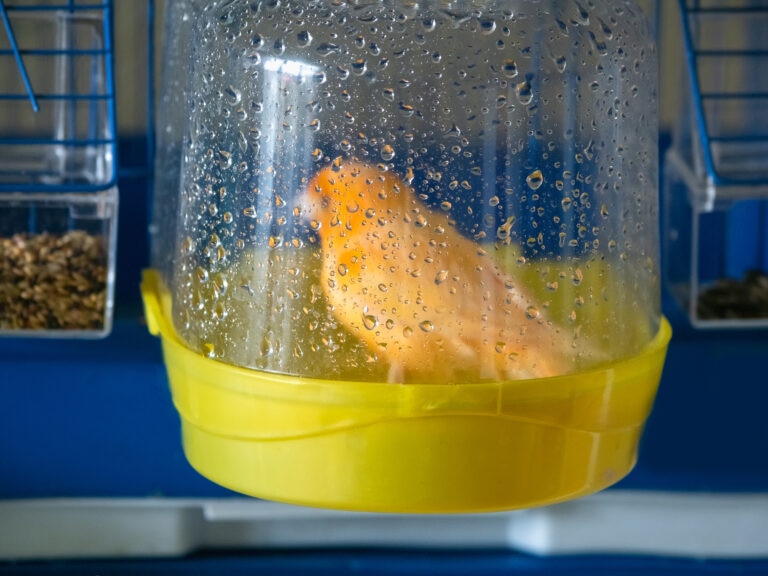
Have you ever noticed how pigeons seem to carry food in their throats? That’s the crop at work, holding and softening food before digestion or regurgitation.
Role In Food Processing
Food processing in birds is rapid but thorough. After initial storage in the crop, food moves to the stomach for chemical and mechanical breakdown.
In some species, such as raptors and owls, indigestible parts like bones or feathers are compressed into pellets and regurgitated. This cleaning process prevents blockage and maintains digestive health.
Regurgitation also serves to feed offspring. Parent birds partially digest food before delivering it, making it easier for chicks to consume and absorb nutrients.
Think about how this system benefits you if you watch birds feeding their young. It’s a direct link between digestion and survival, showing how every part of the digestive system has a purpose beyond just eating.
Credit: www.chewy.com
Mechanism Of Regurgitation
Birds use regurgitation to feed their young or to remove indigestible parts. This process involves careful control of muscles and specific triggers. The mechanism allows food to move back up from the stomach to the mouth without harm.
Muscle Coordination
Muscles in the bird’s throat and esophagus work together precisely. The esophagus contracts in waves, pushing food upward. The bird’s crop stores food temporarily before regurgitation. Strong muscles near the throat help control the flow of food. This coordination prevents choking and damage during regurgitation.
Triggers For Regurgitation
Regurgitation starts due to signals from the brain. Hunger or begging calls from chicks act as common triggers. The bird senses these signals and begins the muscle contractions. Stress or discomfort may also cause regurgitation. These triggers ensure food is delivered safely to the young or expelled when needed.
Purpose Of Regurgitation
Birds regurgitate their food for very specific reasons that help them survive and care for their young. This behavior is not just about eating differently; it plays a crucial role in their life cycle and health. Understanding why birds regurgitate can give you a closer look at their fascinating world.
Feeding Chicks
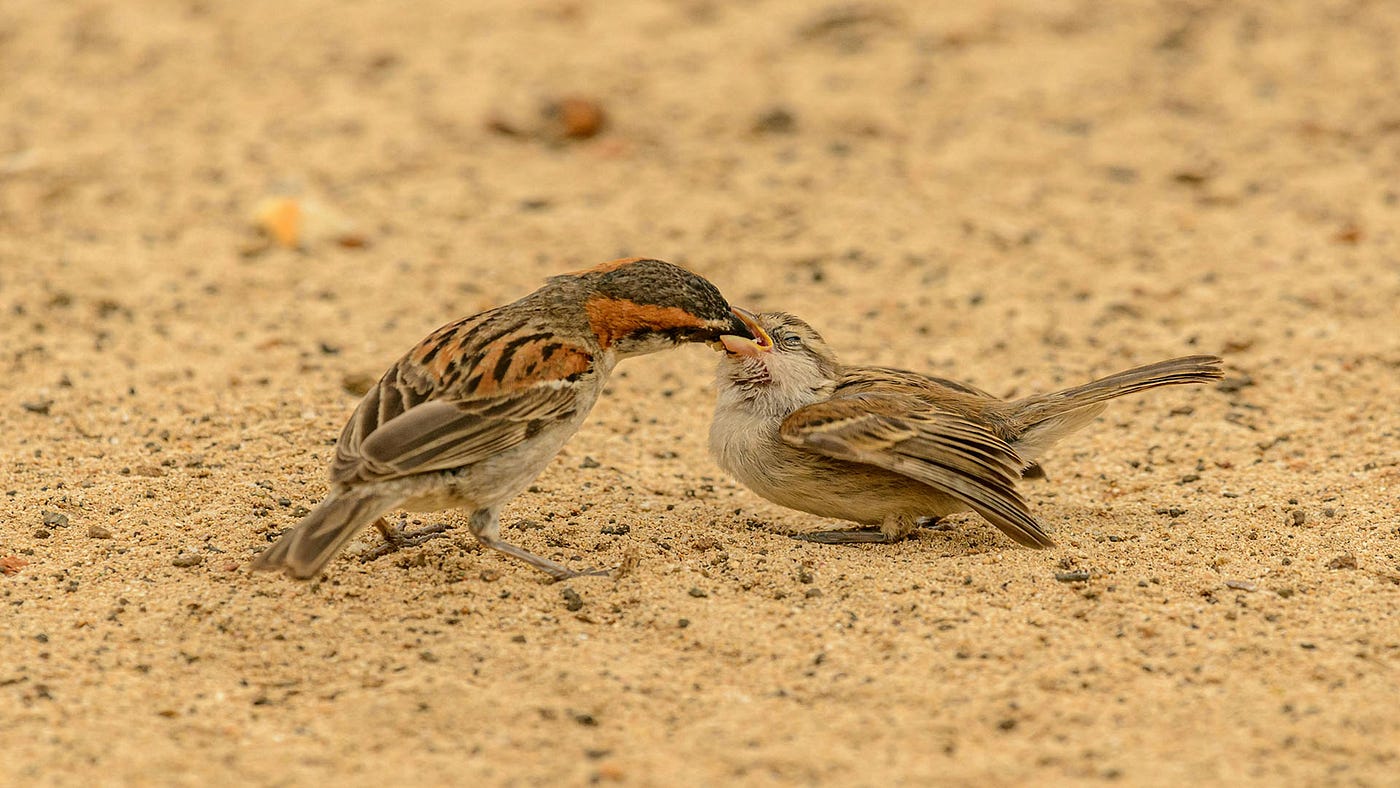
One of the main reasons birds regurgitate is to feed their chicks. Adult birds often swallow food, partially digest it, and then bring it back up to feed their young. This process makes the food easier for the chicks to swallow and digest since their digestive systems are still developing.
Have you ever watched a mother bird gently feed her baby? It’s a delicate process that ensures the chick gets the right nutrients. Without regurgitation, many bird species would struggle to nurture their offspring effectively.
Removing Indigestible Parts
Birds also regurgitate to get rid of parts of their food that they cannot digest, like bones, fur, or feathers. These indigestible materials form pellets that the bird expels to keep its digestive system clear and healthy. This natural cleaning process prevents blockages and helps birds stay healthy.
Next time you see a pellet on the ground, remember it’s a sign of a bird’s efficient digestive system at work. Have you ever wondered how birds manage to eat things that seem so tough to digest?
Examples In Bird Species
Birds have developed fascinating ways to share food, especially when feeding their young or clearing their stomachs. Different species use regurgitation with unique twists, tailored to their lifestyles and diets. Let’s look at how some well-known birds handle this process.
Peregrine Falcons
Peregrine falcons regurgitate primarily to feed their chicks. After catching prey like pigeons or small birds, the adult falcon partially digests the meal and then brings it back up as a soft, easy-to-eat morsel for the nestlings.
This regurgitated food is nutrient-rich and helps young falcons get the energy they need to grow strong. Observing a falcon feed its chicks this way shows how nature provides smart solutions for survival.
Pigeons And Doves
Pigeons and doves have a unique approach—they produce a special substance called “crop milk.” This milk isn’t like cow’s milk but a nutrient-packed secretion from the lining of their crop, which they regurgitate to feed their young.
This method ensures that even if food is scarce, the babies receive vital nutrients directly. It’s a fascinating example of how regurgitation goes beyond just passing on undigested food.
Credit: knowledgeisknowledge9.medium.com
Frequently Asked Questions
How Do Birds Regurgitate Food For Their Chicks?
Birds store food in their crop and soften it. They then bring it back up to feed their chicks through regurgitation.
Why Do Birds Regurgitate Instead Of Feeding Directly?
Regurgitation allows birds to pre-digest food. This makes it easier and safer for chicks to consume and digest.
Which Birds Commonly Regurgitate Food?
Many birds like pigeons, albatrosses, and penguins regurgitate food. It’s a common feeding method for many species.
How Does Regurgitation Benefit Bird Chicks?
Regurgitation provides chicks with partially digested, nutrient-rich food. This helps their fragile digestive systems absorb nutrients efficiently.
Conclusion
Birds use regurgitation to feed their young or share food. This process helps them pass softened food safely. Their strong muscles push food back up the throat easily. It shows how nature adapts animals for survival. Understanding this helps us appreciate bird behavior more.
Watching birds feed can be fascinating and educational. Next time you see a bird feeding, remember this natural skill. It’s a simple but vital part of their life. Nature’s ways are often clever and surprising.