
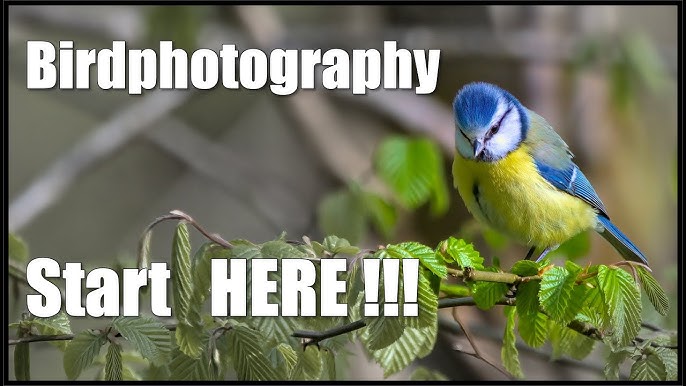
Have you ever wanted to capture the beauty of birds in their natural world? Bird photography lets you freeze those magical moments and share them forever.
But getting started can feel tricky. What gear do you need? Where should you go? How do you get those sharp, stunning shots? This guide will answer your questions and give you simple steps to begin your bird photography adventure.
Keep reading, and soon you’ll be taking photos that amaze both you and others.

Credit: digital-photography-school.com
Essential Gear For Bird Photography
Getting the right gear is key to capturing stunning bird photos. Your equipment can make a big difference in the quality and ease of your shots. Let’s break down what you really need to get started and how each piece helps you get closer to those beautiful bird moments.
Choosing The Right Camera
Your camera is the heart of your bird photography setup. A DSLR or mirrorless camera with fast autofocus and good low-light performance is a smart choice. These features help you catch quick bird movements and details, even in tricky lighting.
Think about the camera’s sensor size too. Full-frame sensors offer better image quality, but crop sensors give you extra reach, which can be handy for distant birds. Have you tested how your camera performs at high ISO settings? Noise can ruin those delicate feather details.
Selecting Lenses For Detail
The lens you pick affects how close and clear your bird photos will be. Telephoto lenses, typically 300mm or longer, bring distant birds into sharp focus. But don’t overlook image stabilization—it’s crucial for handheld shots.
Prime lenses usually deliver sharper images, but zoom lenses offer flexibility when birds move unpredictably. I once switched from a 400mm prime to a 100-400mm zoom and noticed how much easier it was to track birds on the wing. Which lens feels right for your shooting style?
Tripods And Accessories
A sturdy tripod stabilizes your camera and reduces blur, especially with heavy lenses. Look for lightweight options if you plan to hike or move frequently. A tripod head with smooth panning helps follow birds in flight smoothly.
Other handy accessories include remote shutter releases to avoid camera shake and extra batteries for long sessions. Carrying a bean bag can also help stabilize your camera on uneven surfaces. What accessories could make your bird photography outings more efficient?

Credit: www.shutterbug.com
Techniques For Capturing Birds
Capturing birds on camera requires more than just pointing and shooting. You need specific techniques to bring out the beauty and character of your feathered subjects. Understanding how to control focus, exposure, lighting, and composition can transform your bird photos from simple snapshots into stunning images.
Mastering Focus And Exposure
Birds move quickly, so your camera’s focus needs to keep up. Use continuous autofocus (AI Servo or AF-C mode) to track moving birds effectively. This keeps your subject sharp even when it darts through branches or takes flight.
Exposure settings are crucial to avoid washed-out feathers or dark shadows. Try spot metering on the bird itself rather than the background. This helps your camera expose correctly for the bird’s colors and details, especially when it’s against bright skies or shaded areas.
Using Lighting To Your Advantage
Natural light changes throughout the day, and it affects how your bird photos look. Early morning and late afternoon provide soft, warm light that enhances colors and textures. Shooting during these times can add depth and mood without harsh shadows.
Sometimes, backlighting can create striking silhouettes or highlight feathers’ edges. Don’t shy away from experimenting with light angles. Ask yourself: how can the light reveal more about the bird’s shape or behavior?
Composing Dynamic Shots
Good composition draws viewers into your photo and tells a story. Use the rule of thirds to place your bird off-center, making the image more engaging. Leave space in front of the bird if it’s looking or flying in a certain direction; this gives a sense of movement.
Look for natural frames like branches or leaves to add layers to your photo. Changing your shooting angle—getting lower or higher—can reveal fresh perspectives. What unique viewpoint can you find to show the bird in its environment?
Finding And Approaching Birds
Finding and approaching birds is a crucial skill in bird photography. It can make the difference between a stunning shot and an empty frame. The key lies in knowing where to look, how to blend in, and understanding what the birds are likely to do next.
Best Locations And Times
Choose locations where birds gather naturally, such as wetlands, forest edges, and parks with water sources. Early morning and late afternoon are golden hours—not just for light but for bird activity. Birds are most active during these times, increasing your chances of capturing dynamic behavior.
Try visiting local bird reserves or nature trails. These spots often have diverse species and established trails to minimize disturbance. Don’t overlook urban areas either; city parks can host surprising birdlife.
Camouflage And Stealth Tips
Wear earth-toned clothing to blend into the environment. Avoid bright colors that can startle birds. Use natural cover like bushes or trees to stay hidden while you observe.
Move slowly and pause frequently. Sudden movements will scare birds away instantly. Carry a small portable blind or use a hide if you plan to stay in one spot for a while. This patience often rewards you with closer, more natural shots.
Understanding Bird Behavior
Birds follow patterns based on feeding, mating, and safety. Watch where they perch, feed, or nest and note the time they spend in each activity. This knowledge helps you anticipate their movements and get ready to capture the perfect moment.
Pay attention to their body language. A sudden head turn or raised feathers can signal alertness or discomfort. If you notice signs of stress, give them more space. Respect for your subjects ensures better photos and safer encounters.
Post-processing Tips
Enhance bird photos by adjusting brightness, contrast, and sharpness carefully. Crop images to focus on the bird and remove distractions. Simple edits bring out details and improve overall appearance.
Post-processing is essential in bird photography. It enhances your photos and brings out their best features. This process can transform a good photo into a stunning one. Let’s dive into some practical post-processing tips.Editing For Clarity And Color
Enhance clarity to highlight details in your bird photos. Use sliders in your photo editor to adjust clarity. Increase it slightly to emphasize textures. Be cautious not to overdo it. Adjust colors to make your photo vivid. Use the saturation tool to enhance colors. Ensure colors look natural.Cropping And Framing
Good cropping can improve composition. Focus on the bird and remove distractions. Use the rule of thirds for better framing. Place the bird off-center for visual interest. Cropping can also help emphasize the bird’s features.Enhancing Details Without Overdoing
Enhance details subtly to avoid unnatural looks. Use sharpening tools to bring out feather details. Increase sharpness slightly to maintain a realistic effect. Avoid making the image look overly sharp. Balance is key to a natural appearance.
Credit: digital-photography-school.com
Frequently Asked Questions
What Equipment Do I Need For Bird Photography?
Start with a DSLR or mirrorless camera and a telephoto lens (300mm+). A tripod and extra batteries help capture sharp, long shots. Consider a camera with fast autofocus and high burst mode for quick bird movements.
How Do I Find Good Locations For Bird Photography?
Visit local parks, nature reserves, wetlands, and bird sanctuaries. Early mornings offer active bird behavior and soft natural light. Research birdwatching groups and online forums for hotspot recommendations nearby.
What Camera Settings Work Best For Bird Photography?
Use a fast shutter speed (1/1000s or faster) to freeze motion. Set aperture between f/5. 6 and f/8 for sharpness. Adjust ISO for proper exposure and use continuous autofocus to track birds in motion.
How Can I Approach Birds Without Disturbing Them?
Move slowly and quietly, keeping a low profile. Use natural cover like bushes or trees for concealment. Avoid sudden movements or loud noises to prevent scaring the birds away.
Conclusion
Bird photography opens a world of beauty and patience. Start with simple gear and learn bird behavior. Practice often to improve your shots and timing. Visit local parks or nature reserves to find birds. Stay quiet and observe carefully to get close.
Remember, every photo tells a unique story of nature. Enjoy the process and keep exploring new techniques. Your passion will grow with each click of the camera. Keep your camera ready. Great bird photos are waiting.