
If you want to invite beautiful bluebirds into your yard, hanging a bluebird house is the perfect way to start. But it’s not just about putting up any birdhouse—there are simple steps you can follow to make sure your new feathered friends feel safe and welcome.
You might wonder where to place it, how high it should be, or what kind of materials to use. Don’t worry—this guide will walk you through everything you need to know. By the end, you’ll be ready to hang your bluebird house with confidence and enjoy watching these charming birds visit your garden.
Keep reading to learn how to create the perfect home for bluebirds right outside your door.
Credit: www.outdoorguide.com
Choosing The Right Location
Choosing the right location for your bluebird house is key to attracting these beautiful birds and helping them thrive. The spot you pick can make all the difference in whether bluebirds feel safe and comfortable enough to nest. Let’s look closely at where to place your house so you give these feathered friends the best chance.
Ideal Height And Orientation
Bluebird houses should be mounted between 4 to 6 feet above the ground. This height keeps them accessible for monitoring while protecting chicks from some ground predators.
The house’s entrance hole should face away from prevailing winds to shelter the nest from harsh weather. Usually, facing east or southeast works well in many regions. Have you noticed how bluebirds prefer calm mornings? This orientation helps keep the nest warm and dry.
Avoiding Predators And Disturbances
Predators like cats, raccoons, and snakes can quickly ruin a bluebird’s nesting efforts. Place the house at least 100 feet away from dense shrubs or woodpiles where these animals hide.
Avoid busy human paths or noisy areas. Bluebirds are shy and may abandon a nest if disturbed too often. Adding a predator guard around the pole can also improve safety.
Think about your yard—where do you notice less foot traffic and fewer pets? That might be your best spot to hang the bluebird house.

Credit: www.amazon.com
Selecting The Bluebird House
Choosing the right bluebird house is crucial for attracting these beautiful birds to your yard. Your selection impacts their safety, comfort, and willingness to nest. Pay close attention to the details that matter most to bluebirds.
Material And Design Features
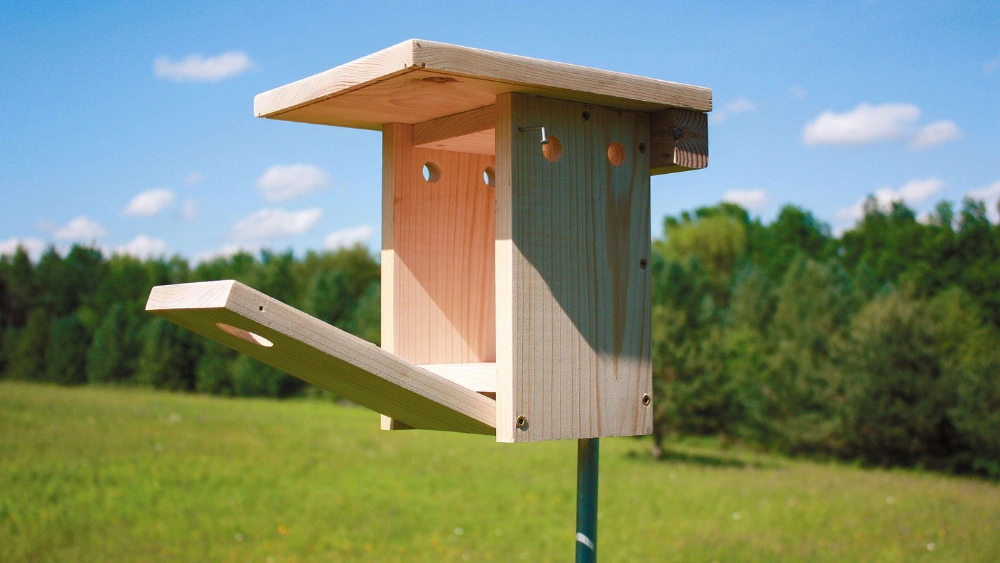
Wood is the best material for a bluebird house because it offers natural insulation and breathability. Avoid metal or plastic houses, as they can overheat or trap moisture inside.
Look for a simple design with a sloped roof to keep rain out and ventilation holes near the top for airflow. A removable side or roof panel will make cleaning easier after the nesting season.
I once installed a plastic birdhouse, thinking it was durable. The inside became too hot, and the bluebirds never returned. That experience taught me to stick with untreated wood and good ventilation.
Size And Entrance Hole Specifications
Bluebirds are small, so their houses should reflect that. The floor size should be about 5 x 5 inches to provide enough room without feeling too spacious.
The entrance hole diameter is critical—too big invites predators, too small keeps the birds out. Aim for a 1.5-inch diameter hole, which suits Eastern and Western Bluebirds perfectly.
Keep the hole’s height 6 to 10 inches above the floor to protect chicks from rain and predators. Have you ever noticed how the smallest details make the biggest difference in wildlife care?
Mounting Techniques
Mounting your bluebird house correctly is key to attracting bluebirds and keeping them safe. The way you mount the house affects its stability, protection from predators, and how easily you can monitor it. Let’s look at two common mounting options and how to secure your bluebird house effectively.
Using Poles Vs. Trees
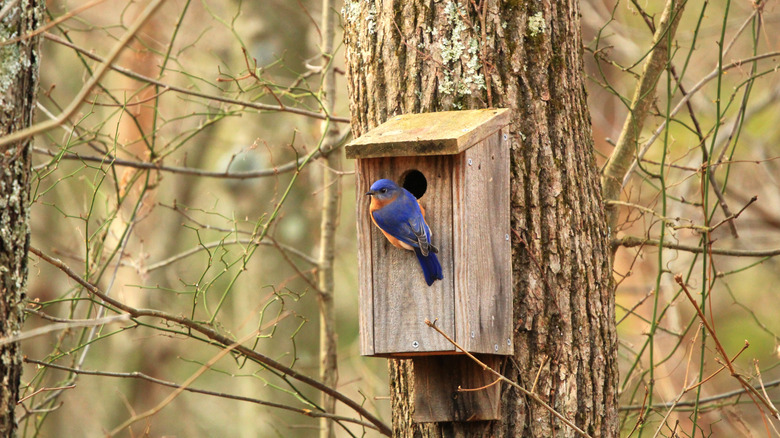
Choosing between a pole and a tree for mounting your bluebird house depends on your yard and the birds’ safety. Poles are often better because they keep the house away from predators like snakes and squirrels. You can place poles exactly where bluebirds like to nest, usually in open areas with short grass.
Trees might seem convenient, but they bring challenges. Branches can block the entrance, and predators can climb easily. Plus, monitoring and cleaning the house can be harder when it’s mounted high in a tree.
Have you noticed that bluebirds prefer open spaces? Using a pole lets you place the house in the perfect spot, increasing your chances of seeing feathered visitors.
Securing The House Safely
Once you decide where to mount the house, focus on securing it firmly. Use sturdy brackets or strong wire to attach the house to a pole or tree. Avoid nails or screws directly into the house, as they can damage the wood and make future maintenance difficult.
Adding a predator guard around the pole is a smart move. A metal cone or smooth plastic shield prevents climbing predators from reaching the nest. This simple addition has saved many nests in my experience.
Make sure the house is level and won’t sway in the wind. Movement can scare away bluebirds or even cause eggs to fall. Tighten all attachments and check them regularly to keep your bluebird house stable and safe.
Maintenance Tips
Maintaining your bluebird house ensures a welcoming home for these birds. Regular care keeps the house safe and inviting. Follow these maintenance tips to keep your bluebird house in top condition.
Cleaning And Inspection
Inspect the bluebird house every few weeks. Look for any signs of damage. Check for pests like ants or wasps. Clean the house at the end of each nesting season. Remove old nests, as they can harbor parasites. Use a mild bleach solution to disinfect the interior. Rinse thoroughly and let it dry completely before closing it up.
Seasonal Adjustments
Adjust the house according to seasons. In spring, ensure the house is ready before bluebirds return. Secure the roof and entrance to withstand spring rains. In summer, provide shade if the house gets too hot. Fall is the time to clean out old nests and prepare for winter. Consider insulating the house to protect against cold winds. This ensures bluebirds find a cozy refuge year-round.

Credit: www.natureswaybirds.com
Frequently Asked Questions
How High Should I Hang A Bluebird House?
Hang the bluebird house 4 to 6 feet above the ground. This height protects from predators and provides easy monitoring.
What Direction Should A Bluebird House Face?
Face the entrance hole away from prevailing winds. East or southeast-facing is ideal for warmth and safety.
How Do I Attract Bluebirds To The House?
Place the house in open areas near trees or shrubs. Avoid bird feeders to reduce competition and predators.
What Materials Are Best For A Bluebird House?
Use untreated wood like cedar or pine. Avoid metal and plastic to maintain natural insulation and safety.
Conclusion
Hanging a bluebird house is simple and rewarding. Place it in a safe, quiet spot. Make sure it is high enough to protect from predators. Check it often to keep it clean and ready. Watching bluebirds raise their young brings joy.
Your small effort helps nature thrive. Enjoy the peaceful moments with these lovely birds. Try it today and see the difference. Nature is closer than you think.