
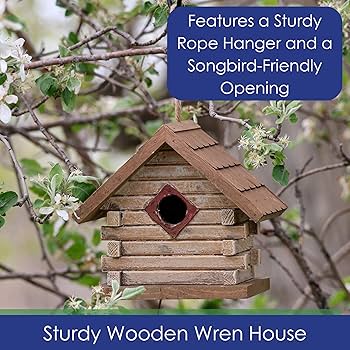
Are you ready to welcome some charming feathered friends to your backyard? Hanging a wren house is a delightful way to invite these lively birds into your space.
But before you grab a ladder and start decorating your trees, there’s an important question to consider: how high should you hang that wren house? Get it right, and you’ll have a bustling birdhouse filled with chirping and flapping. Get it wrong, and your yard might remain quiet and empty.
We’ll guide you through the perfect height to ensure your wren house becomes the preferred nesting spot. Stick around to discover tips that could transform your garden into a lively sanctuary and make you the neighborhood’s go-to bird expert!
Choosing The Right Height
Choosing the right height for your wren house is more important than many people realize. The height affects the safety, comfort, and likelihood of wrens taking up residence. Getting this right increases your chances of enjoying the cheerful presence of these tiny birds in your garden.
Ideal Range For Wren Houses
Wrens prefer their homes to be positioned between 5 to 10 feet above the ground. This range keeps them safe from most predators while allowing easy access. Hanging the house too low can expose wrens to cats and other animals, while too high might make the entrance less inviting.
In my experience, placing the wren house around 7 feet worked best. Wrens quickly discovered it and started nesting within days. Have you noticed how some birds avoid certain spots? Height often plays a key role in their choice.
Factors Influencing Height Selection
Your garden’s layout and the surrounding environment influence where you place the wren house. Consider these points:
- Predator presence:If you have many cats or squirrels, hang it higher to keep wrens safe.
- Vegetation:Wrens like some cover near their homes. Position the box near shrubs or tree branches but not hidden entirely.
- Accessibility:Make sure you can reach the house easily for cleaning and monitoring.
- Sun exposure:A spot with morning sun and afternoon shade keeps the nest comfortable.
Think about your space—does it get windy or noisy? These factors can push you to adjust the height. What’s one challenge you face in your garden that might affect where you hang a wren house?

Credit: www.amazon.in
Best Locations For Placement
Choosing the right spot to hang a wren house is key for the birds’ comfort and safety. The location affects how often wrens visit and stay. A good place protects the birds from dangers and offers a cozy environment. Consider where the house will be safe, dry, and easy for wrens to access. Pay attention to nearby plants, trees, and structures that can help or harm the birds.
Avoiding Predators And Disturbances
Place the wren house where cats and other predators cannot reach it. Avoid spots near busy walkways or loud machines. Wrens need quiet places to feel safe. Hang the house at least 5 to 10 feet high. This height keeps snakes and raccoons away. Make sure the entrance faces a safe direction, away from strong winds and predators. Avoid areas with heavy human traffic or pet activity.
Sunlight And Shelter Considerations
Wrens prefer some sun but not too much heat. Hang the house where it gets morning sunlight and afternoon shade. This balance keeps the nest warm but not too hot. Choose spots with some natural shelter like bushes or tree branches. Shelter protects wrens from rain and strong winds. Avoid direct exposure to harsh weather. The right light and cover help wrens stay comfortable and safe all day.
Mounting Techniques
Mounting your wren house correctly is key to attracting birds and keeping them safe. The right mounting technique helps protect the house from wind, rain, and predators. It also makes sure the house stays stable and lasts longer. Choose a method that fits your yard and the materials you have.
Secure Attachment Methods
Use strong screws or nails to attach the wren house firmly. Metal brackets add extra support and reduce wobbling. Avoid using thin wire or string, as these can loosen or break.
Check the mounting regularly. Tighten screws or replace worn parts to keep the house steady. A steady wren house helps birds feel safe and encourages nesting.
Using Poles Vs. Trees
Mounting on poles gives you control over height and location. Poles keep the house away from predators like cats. Choose a metal or wooden pole that is tall and stable.
Hanging on trees blends the house naturally with the environment. Use straps or bungee cords to avoid damaging the tree bark. Avoid nails in trees to keep them healthy.
Poles are better for open areas. Trees offer shade and shelter but may bring more predators. Think about your space and what suits your wren’s safety best.
Credit: www.dutchcrafters.com
Seasonal Adjustments
Adjusting your wren house throughout the seasons is key to attracting these charming birds year after year. Seasonal changes affect not only the birds’ behavior but also the safety and comfort of your wren house. By paying attention to these shifts, you can create a welcoming environment that supports wrens during breeding and beyond.
Preparing For Breeding Season
Spring signals the start of the wrens’ breeding season, usually around March or April. At this time, make sure your wren house is securely mounted at the right height—typically 5 to 10 feet above the ground—to keep it safe from predators. Position it where it gets morning sun but some afternoon shade; wrens prefer a cozy, warm spot without overheating.
Think about the surrounding area too. Wrens love dense shrubs or trees nearby for cover and easy access to food. If your yard lacks natural shelter, consider planting native bushes or adding brush piles. Have you noticed how wrens choose spots with nearby water sources? Adding a birdbath can make your space even more inviting.
Maintenance And Cleaning Tips
Once the breeding season ends, it’s time to clean the wren house. Removing old nesting material helps prevent parasites and disease. Wear gloves and use a mild bleach solution (one part bleach to nine parts water) to disinfect the interior. Rinse thoroughly and let it dry completely before rehanging.
Inspect the house for damage like cracks or loose parts and fix them promptly. Check the mounting hardware to ensure it’s still sturdy—wrens won’t return to a shaky home. Cleaning and repairs done in late fall or early winter give the house a fresh start for the next season.

Credit: www.bluebirdlanding.com
Frequently Asked Questions
How High Should I Hang A Wren House?
Hang a wren house 5 to 10 feet above ground. This height protects wrens from predators and harsh weather. It also makes the house easily accessible for wrens to build nests and raise their young safely.
What Is The Best Location For A Wren House?
Place the wren house in a sheltered spot with partial shade. Avoid direct sun and strong winds. Near shrubs or trees is ideal, as it offers protection and easy access to food sources for wrens.
Can I Hang A Wren House On A Pole?
Yes, you can hang a wren house on a pole. Ensure the pole is sturdy and at least 5 feet tall. Adding a predator guard around the pole helps keep wrens safe from cats and other predators.
Should The Wren House Face A Specific Direction?
Face the wren house entrance away from prevailing winds. East or southeast directions are ideal. This positioning helps keep the nest dry and warm, creating a comfortable environment for wrens.
Conclusion
Hanging a wren house at the right height helps wrens feel safe. Place it between 5 to 10 feet above the ground. Avoid spots with too much sun or wind. Make sure the area is quiet and near trees or shrubs.
This simple step invites wrens to visit and nest. Enjoy watching these small birds close to home. A well-placed wren house brings nature’s charm to your yard. Try it and see how wrens respond!