

Imagine stepping into your backyard and spotting a vibrant bluebird flitting about, making its home in a birdhouse you crafted yourself. This isn’t just a dream—it’s a rewarding reality waiting for you to embrace.
Building a simple bluebird house is not only a delightful DIY project but also an opportunity to welcome these beautiful birds into your garden. You might be wondering, “Can I really do this? ” Absolutely! With a few basic materials and some easy-to-follow steps, you’ll be on your way to creating a cozy haven for bluebirds.
Keep reading to discover how you can make this vision a reality and transform your outdoor space into a lively bird sanctuary.

Credit: www.harrowsmithmag.com
Choosing The Right Materials
Choosing the right materials is a crucial step in building a bluebird house that lasts and truly serves its feathered residents. The materials you select impact the house’s durability, safety, and comfort for the birds. It’s not just about picking wood; it’s about understanding what works best for outdoor conditions and bird preferences.
Wood Types That Work Best
Not all wood is suitable for a bluebird house. You want wood that withstands weather without warping or rotting quickly. Cedar and pine are popular choices because they are naturally resistant to decay and provide good insulation.
Cedar holds up well against moisture, which means your bluebird house won’t need frequent repairs. Pine is easy to work with and affordable, but it may require a protective finish to last longer outdoors. Avoid treated wood or plywood, as chemicals can harm birds and make the house less breathable.
Essential Tools Needed
Having the right tools makes the building process smoother and safer. Basic tools include a saw for cutting wood, a drill for making entrance holes and attaching pieces, and a screwdriver or hammer for assembling.
A measuring tape and pencil help you keep dimensions accurate, which is key for a house that fits bluebirds perfectly. Sandpaper is also handy for smoothing rough edges, preventing injuries to birds and making the house look neat. Do you have these tools ready, or will acquiring them be your first project?
Credit: www.youtube.com
Cutting And Preparing The Pieces
Before you start building your bluebird house, cutting and preparing the wood pieces is a crucial step. Getting these pieces right sets the foundation for a sturdy and safe home for the birds. Taking your time here will save you from frustration later and help ensure the house fits together perfectly.
Measuring And Marking
Accurate measurements are your best friend. Use a tape measure or ruler to mark the dimensions for each piece of wood clearly. Double-check your marks before cutting to avoid mistakes that waste material or weaken the structure.
Mark the wood with a pencil or chalk, making visible lines where you will cut. Try to keep your lines straight and neat—this makes cutting easier and more precise.
Have you ever cut a piece too short or too long and had to start over? Taking a moment to measure twice and mark carefully can prevent that hassle.
Safety Tips While Cutting
Cutting wood can be dangerous if you’re not careful. Always wear safety goggles to protect your eyes from flying splinters and dust. Gloves can help protect your hands but make sure they don’t get caught in power tools.
Keep your work area clean and free from clutter. This reduces the risk of tripping or accidentally knocking over tools. Use clamps to hold the wood steady—this keeps your hands away from the blade and improves cutting accuracy.
Never rush your cuts. A steady hand and slow, controlled movements reduce accidents and ensure your pieces come out just right. What safety habits will you add to your workshop routine today?
Assembling The Bluebird House
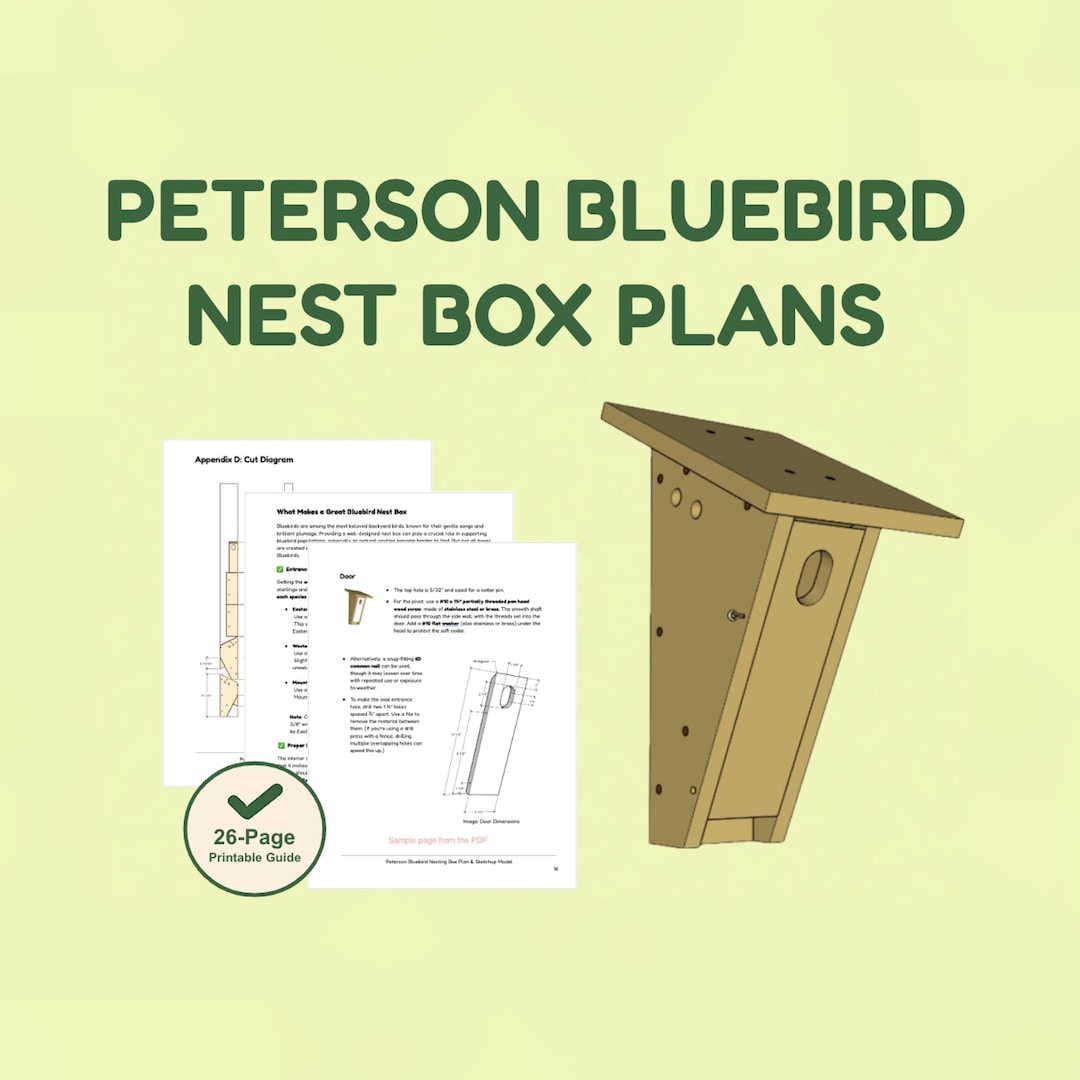
Assembling the bluebird house is a fun and simple task. It brings all the cut pieces together to form a cozy home for bluebirds. Careful assembly ensures the house is safe and durable. Follow clear steps for a smooth building process.
Step-by-step Assembly
- Lay out all the wooden parts on a flat surface.
- Attach the back panel to the floor using wood glue or nails.
- Fix the two side panels to the floor and back panel.
- Secure the front panel with the entrance hole facing forward.
- Place the roof pieces on top, ensuring they meet at the center.
- Check that all edges are aligned properly before securing.
Securing The Parts
- Use galvanized nails or screws to prevent rust.
- Drive nails or screws carefully to avoid splitting the wood.
- Apply wood glue on edges for extra strength.
- Clamp parts together while glue dries for a tight bond.
- Sand any rough edges to protect birds from splinters.
- Make sure the roof is firmly attached to keep rain out.
Credit: www.etsy.com
Placing And Maintaining The House
Placing and maintaining your bluebird house correctly is just as important as building it. The right location helps attract bluebirds, while proper upkeep ensures their safety and comfort. You want your efforts to pay off with happy bluebird visitors season after season.
Ideal Location For Bluebirds
Bluebirds prefer open spaces with low ground cover. A spot near a field, lawn, or orchard is perfect because it offers easy access to insects and berries. Avoid placing the house in dense woods or too close to thick shrubs where predators can hide.
Mount the house on a pole or fence post, about 4 to 6 feet above the ground. This height keeps the birds safe from cats and other predators. Face the entrance hole away from prevailing winds—usually east or southeast—to protect the nest from harsh weather.
Keep the area around the house clear of tall grass and brush. This makes it easier for bluebirds to spot the entrance and quickly escape if threatened. Have you noticed how bluebirds often perch nearby? Providing a few small perches or wires close to the house can encourage them to stick around.
Cleaning And Upkeep Tips
Cleaning your bluebird house after each nesting season is crucial. Old nests can harbor parasites and diseases that harm new families. Use gloves and a mild bleach solution—one part bleach to nine parts water—to scrub the inside thoroughly.
Let the house dry completely before putting it back up. Check for any damage like cracks or loose parts that might let rain in or allow predators to enter. Tighten screws and repaint the exterior with non-toxic, water-based paint if needed, but avoid painting the inside.
Make cleaning a routine part of your backyard care. It not only benefits the bluebirds but also gives you a chance to observe their behavior closely. Have you ever noticed how a well-maintained house attracts more visits? That’s proof your care makes a difference.
Frequently Asked Questions
What Materials Do I Need For A Bluebird House?
You need untreated wood, nails, a saw, drill, and sandpaper. Use cedar or pine for durability. Avoid treated wood to keep birds safe. These materials ensure a safe and comfortable home for bluebirds.
How Do I Build A Simple Bluebird House?
Cut wood panels to size, assemble with nails, and drill an entrance hole. Sand edges smooth to prevent injury. Mount the house on a pole away from predators. This simple design attracts bluebirds effectively.
Where Should I Place A Bluebird House?
Place it 4 to 6 feet above ground in open areas. Avoid placing near dense trees or busy areas. Ensure the entrance faces away from prevailing winds. Proper placement increases the chances of bluebirds nesting.
How Do I Maintain A Bluebird House?
Clean the house annually after breeding season. Remove old nests and debris to prevent parasites. Inspect for damage and repair as needed. Regular maintenance keeps the house safe and inviting for bluebirds.
Conclusion
Building a simple bluebird house brings joy and helps nature thrive. It takes just a few steps and basic tools to create a cozy home. Watching bluebirds visit and raise their young is rewarding and fun. Remember to place the house in a quiet, safe spot outdoors.
With care and patience, you can enjoy the beauty of these birds close by. Start your project today and make a small difference in your backyard. Simple actions can bring wildlife closer to your home.