

Are you wondering when you should cover your bird’s cage? This question might seem simple, but it plays a crucial role in your feathered friend’s well-being.
Knowing the right time to cover the cage can make a significant difference in your bird’s sleep quality and overall happiness. As a bird owner, you want to ensure your pet feels safe, secure, and comfortable. We’ll dive into the best practices for covering a bird’s cage, ensuring you have all the tips and insights to give your bird the best environment possible.
Keep reading to discover how this small action can make a big impact on your bird’s life and help you become a more attentive and caring pet owner.
Best Times To Cover A Bird’s Cage
Knowing the best times to cover a bird’s cage helps keep your pet calm and healthy. Covering the cage at the right moments supports your bird’s natural habits. It also protects them from stress and sudden changes. Use a light, breathable cover to ensure comfort and safety.
Nighttime Benefits
Covering a bird’s cage at night helps create a dark, quiet space. This mimics natural sleep conditions. Darkness signals the bird to rest and lowers activity. It reduces outside noise and light that might disturb sleep. A covered cage helps your bird feel safe and secure. Better sleep improves your bird’s mood and health.
During Stressful Events
Covering the cage during loud noises or strangers helps calm your bird. It blocks out visual triggers that cause fear. The cover creates a safe, quiet retreat. Birds feel less anxious and more protected. Use the cover during fireworks, parties, or cleaning. This simple step lowers stress and prevents panic behaviors.
Travel And Transport
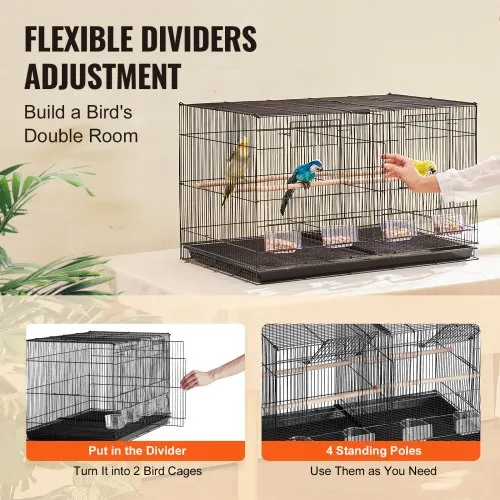
Covering the cage during travel keeps your bird calm and safe. It reduces visual distractions from moving scenery or other animals. The cover also protects from drafts and sudden light changes. Use a secure, well-ventilated cover for car trips or visits. This helps your bird stay relaxed during transport.
Credit: www.vevor.ca
Choosing The Right Cage Cover
Choosing the right cage cover is essential to keep your bird comfortable and safe during rest times. It’s not just about picking any piece of cloth; the material, size, and breathability all play a crucial role. A good cage cover can create a calm environment, but a poor choice might cause stress or health issues for your feathered friend.
Material Options
The type of material you choose affects both comfort and durability. Cotton covers are soft and easy to clean, making them popular among bird owners. However, fleece offers excellent warmth during colder months, but it might trap moisture if not monitored.
Some bird owners prefer heavier canvas covers for blocking out light and noise. Think about your bird’s specific needs and the climate you live in when selecting the fabric. Have you noticed how your bird reacts to different textures?
Size And Fit
The cover should fit snugly over the cage without restricting airflow or access to food and water. Oversized covers can slip off or create drafts, while too-tight covers might stress your bird. Measure your cage carefully before buying or making a cover to ensure a perfect fit.
Consider if you want the cover to reach the floor or just cover the top and sides. This decision depends on your bird’s sensitivity to light and noise. How does your bird respond when the cage is fully covered versus partially covered?
Breathability And Safety
Breathable fabric is crucial to prevent overheating and maintain fresh air flow. Avoid synthetic materials that might trap heat or cause allergic reactions in some birds. Look for covers with loose weaves or breathable panels to keep your bird comfortable.
Safety is also about avoiding loose threads or embellishments that your bird could chew and swallow. Regularly check the cover for wear and tear to prevent accidents. Have you ever inspected your cover for potential hazards?
Tips For Using Cage Covers Effectively
Using a cage cover can help your bird feel safe and secure, but using it correctly is essential. The right approach ensures your feathered friend stays comfortable without feeling trapped or stressed. Here are some practical tips to help you use cage covers effectively while keeping your bird’s well-being in mind.
Establishing A Routine
Birds thrive on consistency, so set a specific time each day to cover their cage. Many owners find that covering the cage at night signals bedtime and helps birds settle down for rest. Try to be consistent with this timing to avoid confusing your bird.
Creating a routine also means uncovering the cage at the same time in the morning. This helps your bird wake up naturally and feel more secure throughout the day. Have you noticed how your bird reacts when the routine changes?
Avoiding Overuse
Cage covers are not meant to be used all day. Leaving the cover on for too long can limit your bird’s exposure to natural light and social interaction. Make sure the cover is only used during rest periods or when you want to reduce environmental stress.
Keep in mind that constant covering might cause your bird to feel isolated or anxious. If you notice signs of boredom or frustration, it might be time to give the cover a break. Are you watching for signs that your bird needs more freedom?
Monitoring Bird Behavior
Every bird reacts differently to a cage cover, so observe your pet closely. Look for changes in behavior such as increased vocalization, restlessness, or withdrawal. These signals can tell you if your bird feels safe or stressed when the cover is used.
Adjust your approach based on what you see. Some birds prefer a light cover that lets in some light, while others feel better with a full cover. How well do you know your bird’s preferences and signals?

Credit: www.amazon.ca
Credit: kathylafollett.medium.com
Frequently Asked Questions
When Is The Best Time To Cover A Bird’s Cage?
Cover your bird’s cage at night to help them sleep and feel secure. Avoid covering during the day unless needed for calm.
Why Should You Cover A Bird’s Cage At Night?
Covering the cage reduces light and noise, promoting restful sleep. It also helps birds feel safe and less stressed.
How Do You Properly Cover A Bird’s Cage?
Use a breathable, lightweight cloth that fits the cage size. Ensure ventilation to prevent overheating or suffocation risks.
Can Covering A Bird’s Cage Affect Its Health?
Proper covering supports healthy sleep patterns. Improper or constant covering can cause stress, respiratory problems, or overheating.
Conclusion
Covering a bird’s cage helps them feel safe and calm. Use a cover at night or during stressful times. Avoid covering too long to let birds breathe fresh air. Always watch your bird’s behavior for signs of discomfort. A simple cloth can provide comfort without harm.
Knowing when to cover keeps your bird happy and healthy. Small steps make a big difference in bird care. Trust your instincts and care with kindness.