
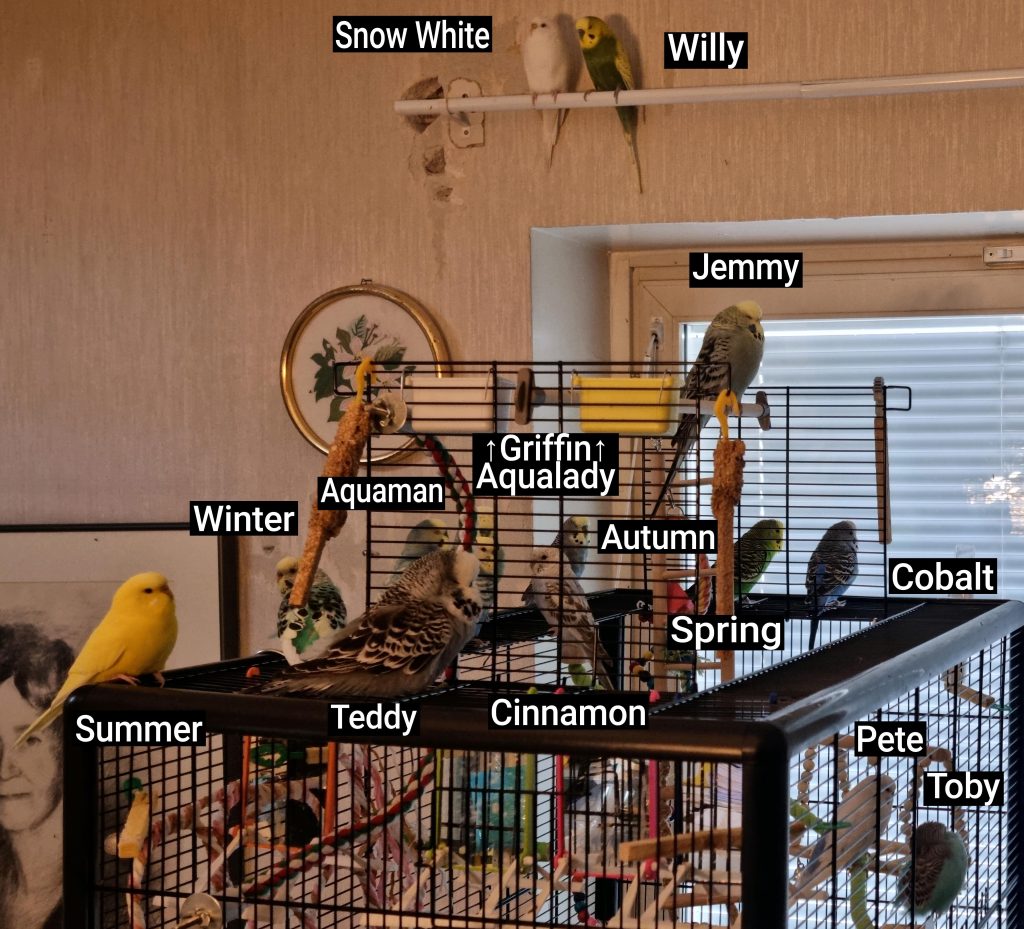
Have you ever paused to watch a bird in a cage, flapping its wings with such vigor and wondered why? It’s a captivating sight that stirs curiosity, doesn’t it?
You might think the bird is merely stretching or seeking attention, but there’s more to it. This fascinating behavior holds secrets about their instincts, emotions, and environment. Imagine unlocking the mystery behind those fluttering wings and understanding what your feathered friend is truly expressing.
By the end of this article, you’ll gain insights that will not only satisfy your curiosity but also enhance the way you care for and connect with your avian companions. Keep reading to discover why these winged creatures engage in such lively displays and what it means for you as a bird owner.

Credit: www.reddit.com
Wing Flapping As Exercise
Birds flapping their wings inside a cage might seem like simple behavior, but it serves a key purpose beyond just movement. Wing flapping acts as a form of exercise that helps birds stay healthy and active, even when they can’t fly freely. Understanding this can help you better care for your feathered friend and recognize what they need to thrive.
Maintaining Muscle Strength
Wing muscles can weaken quickly without regular use. Flapping helps keep these muscles toned and strong, preventing stiffness or atrophy. If you’ve ever noticed your bird eagerly flapping after a nap or a period of rest, it’s their way of keeping their muscles in shape.
Think about your own muscles after sitting still for a long time — they feel stiff and weak. Birds experience something similar, so wing flapping inside the cage is their natural solution to stay ready for flight.
Boosting Circulation
Wing flapping also improves blood flow throughout the bird’s body. This increased circulation delivers oxygen and nutrients to vital organs and muscles, keeping your bird energetic and healthy. Without this movement, blood can pool, causing discomfort or even health issues.
Have you ever stretched your arms after sitting too long? Birds do something similar by flapping to get their blood moving. Encouraging regular wing flapping can help you spot if your bird is feeling well or if something might be wrong.

Credit: www.reddit.com
Communication And Expression
Birds don’t just flap their wings to exercise or stretch; often, this action is a powerful form of communication and expression. Understanding why your feathered friend flaps its wings inside the cage can reveal a lot about its feelings and needs. Paying attention to these signals helps you connect better with your bird and respond appropriately.
Signaling Emotions
Wing flapping can be a clear sign of how your bird is feeling. If your bird flaps its wings rapidly and repeatedly, it might be excited or happy, especially after you enter the room or offer a favorite treat.
On the other hand, slow, deliberate flapping sometimes indicates frustration or stress. Have you noticed your bird flapping more when left alone? This could be a way of showing discomfort or anxiety.
Seeking Attention
Birds quickly learn that wing flapping grabs your attention. If your bird flaps its wings while looking at you or vocalizing, it’s likely trying to engage with you. This behavior often happens when the bird wants to play or be noticed.
Next time your bird flaps its wings near you, try responding by talking softly or offering a small interaction. You might find that this simple exchange strengthens your bond and makes your bird feel more secure.
Environmental Responses
Birds flap their wings in cages as a response to their environment. This behavior shows how they deal with stress and adjust to their living space. Understanding these reactions helps bird owners create a better habitat for their pets. It also explains why wing-flapping is more than just random movement.
Reacting To Stress
Wing-flapping often signals that a bird feels stressed or anxious. The cage can feel like a small, confining space. Birds may flap their wings to release tension or express discomfort. This action helps them cope with changes in their surroundings. Loud noises, unfamiliar people, or lack of interaction can trigger stress. Flapping becomes a way to seek comfort or get attention.
Adapting To Cage Size
The size of the cage impacts how much a bird flaps its wings. Small cages limit flying space, causing birds to flap more often. This activity is their way to stretch muscles and maintain strength. Larger cages allow for smoother, longer flights, reducing excessive flapping. Birds adjust their movement to fit the space available. Proper cage size helps keep birds healthy and calm.

Credit: www.reddit.com
Frequently Asked Questions
Why Do Birds Flap Wings Inside Cages?
Birds flap wings in cages to exercise and stretch. It helps maintain muscle strength and blood circulation. Flapping also reduces boredom and stress caused by confinement. This natural behavior mimics flying, promoting mental and physical health.
Can Wing Flapping Indicate Bird Stress In Cages?
Yes, excessive wing flapping can signal stress or anxiety. Birds may flap wings rapidly if scared or uncomfortable. Monitoring wing flapping helps identify distress, prompting owners to improve the bird’s environment and reduce stressors.
How Often Should Caged Birds Flap Wings?
Birds should flap wings multiple times daily for exercise. This keeps muscles active and prevents stiffness. Encouraging wing flapping supports healthy circulation and natural behavior even in confined spaces.
Does Wing Flapping Help Birds Stay Healthy In Cages?
Absolutely, wing flapping boosts muscle tone and circulation. It also supports respiratory health by increasing airflow. Regular flapping helps birds remain physically fit and mentally alert while caged.
Conclusion
Birds flap their wings in cages to stretch and stay active. This action helps keep their muscles strong and their minds alert. It also shows they want more space to fly freely. Watching this behavior can help owners understand their bird’s needs better.
Providing toys and time outside the cage can make birds happier. Remember, wing-flapping is natural and important for a bird’s health. It tells us they need care and attention every day.