
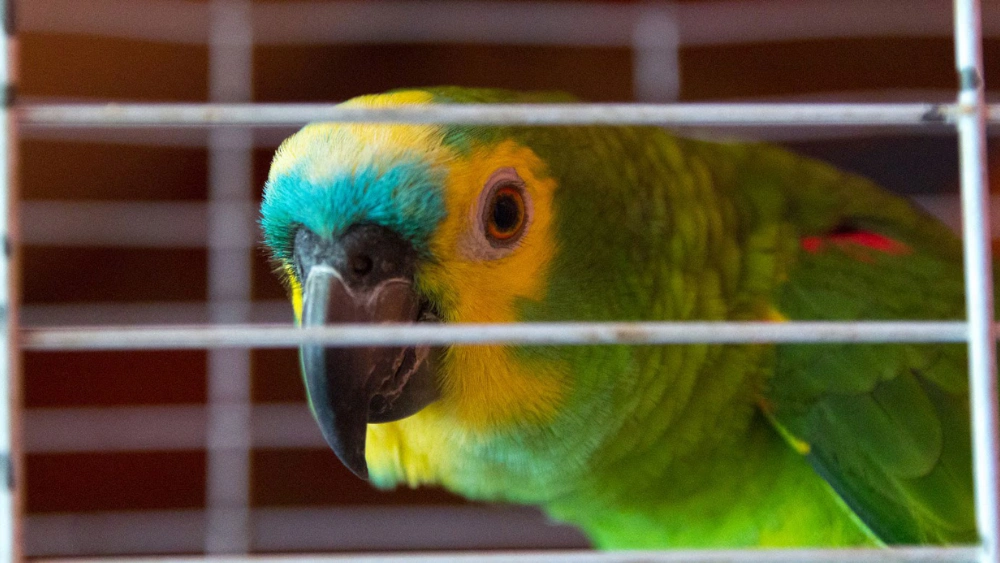
Ever found yourself puzzled, watching your feathered friend nibble away at their cage bars? You’re not alone.
Many bird owners face this curious, and sometimes concerning, behavior. It might leave you wondering what’s going on inside that little bird brain. Is it boredom, anxiety, or something else entirely? Understanding why your bird bites the cage bars is crucial for its well-being and your peace of mind.
We’ll dive into the possible reasons behind this behavior and offer practical solutions to ensure your pet remains happy and healthy. Stick around, because what you discover might just surprise you and bring harmony back to your home.

Credit: www.reddit.com
Reasons Birds Bite Cage Bars
Birds biting cage bars is a common behavior that puzzles many bird owners. Understanding the reasons behind this action helps in improving your bird’s well-being. Birds use biting as a way to express their feelings or needs. It is important to recognize what triggers this behavior to provide a better environment for your feathered friend.
Stress And Anxiety
Stress makes birds bite cage bars to release tension. Loud noises, sudden movements, or new surroundings can cause anxiety. Birds may feel unsafe or scared, leading to this behavior. Lack of trust in their environment often increases stress levels.
Boredom And Lack Of Stimulation
Birds need mental and physical activities to stay happy. Without toys or interaction, they get bored easily. Biting cage bars becomes a way to pass time or attract attention. Offering puzzles, swings, or social time can reduce boredom.
Health Issues
Sometimes biting indicates pain or discomfort. Birds may suffer from beak problems or dental pain. Illness or injury can make them irritable and more likely to bite. Regular health checks can prevent or catch these issues early.
Environmental Factors
Temperature, lighting, and cage size affect bird behavior. Too hot or cold environments stress birds. Poor lighting can disrupt their natural rhythms. Small or dirty cages make birds restless and more prone to biting bars.

Credit: www.reddit.com
Signs To Watch In Your Bird
Noticing your bird biting the cage bars can be worrying. It might signal a problem with your bird’s well-being. Watching for certain signs can help you understand why your bird acts this way. These signs fall into three main categories: behavioral changes, physical symptoms, and the frequency and intensity of biting. Observing these closely can reveal your bird’s needs or discomfort.
Behavioral Changes
Pay attention to any shifts in your bird’s usual habits. A normally calm bird may become restless or aggressive. It might vocalize more or less than usual. Loss of interest in toys or food is also a red flag. These changes suggest stress, boredom, or illness. Notice if your bird hides more or avoids interaction. Such behavior often links to emotional or physical discomfort.
Physical Symptoms
Check your bird’s body for signs of harm or illness. Look for feather plucking or loss around the neck and wings. Swollen feet or legs and redness near the beak or eyes need attention. Broken or chipped feathers can result from cage biting. Weight loss or changes in droppings also indicate health issues. Physical symptoms often accompany behavioral signs of distress.
Frequency And Intensity Of Biting
Track how often and how hard your bird bites the cage bars. Occasional nibbling might mean curiosity or boredom. Frequent, intense biting suggests frustration or anxiety. Intense biting may cause damage to the bird’s beak or feathers. Notice if biting happens mostly at certain times of the day. Patterns in biting behavior can help identify triggers or needs.
Ways To Prevent Cage Bar Biting
Dealing with a bird that bites the cage bars can be frustrating. This behavior often signals boredom, stress, or discomfort. To help your feathered friend feel happier and safer, you need to address the root causes by changing their environment and daily routine.
Enhancing Cage Environment
Is your bird’s cage too small or lacking variety? A cramped or dull space encourages bar biting. Try adding perches of different textures and sizes to keep their feet busy.
Adding chewable toys can redirect their biting urge away from cage bars. Make sure the cage is placed in a lively area where your bird can watch household activities without feeling overwhelmed.
Providing Mental Stimulation
Birds are smart and need regular mental challenges. Without enough stimulation, they resort to destructive habits like bar biting.
Rotate toys frequently and introduce puzzle feeders that require problem-solving. Spending a few minutes daily teaching your bird tricks or commands can also keep their mind sharp.
Regular Health Checkups
Could your bird be biting due to discomfort or pain? Sometimes, health issues like beak problems or stress from illness cause this behavior.
Schedule regular vet visits to rule out medical causes. Keeping your bird’s nails and beak trimmed can also make biting less tempting.
Building Trust And Interaction
Have you spent quality time bonding with your bird today? Birds bite cage bars often when they feel lonely or anxious.
Talk softly, offer treats, and handle your bird gently to build trust. Consistent interaction reduces stress and makes your bird less likely to act out through biting.
Credit: www.talkparrotlets.com
Frequently Asked Questions
Why Is My Bird Biting Cage Bars Constantly?
Birds bite cage bars due to boredom, stress, or lack of stimulation. Providing toys and interaction reduces this behavior. It also helps to ensure the cage is spacious and comfortable for your bird.
Can Bird Biting Cage Bars Indicate Health Problems?
Yes, biting cage bars can signal health issues like beak pain or nutritional deficiencies. Consult a vet if behavior changes suddenly. Regular check-ups help keep your bird healthy and happy.
How Can I Stop My Bird From Biting Cage Bars?
Increase mental and physical stimulation with toys and social interaction. Ensure the cage is clean and large enough. Positive reinforcement for calm behavior also helps reduce bar biting.
Is My Bird Biting Cage Bars Due To Loneliness?
Birds are social animals and may bite bars when lonely or stressed. Spending more time interacting with your bird can ease loneliness and reduce biting behavior.
Conclusion
Birds bite cage bars for many reasons, like boredom or stress. Watching your bird closely helps spot what causes this behavior. Providing toys and attention can keep your bird busy and happy. Clean and safe cages reduce discomfort and biting urges.
Remember, patience and care help your bird feel secure. Small changes often lead to big improvements in behavior. Keep learning about your bird’s needs for a strong bond. Your effort makes a difference in your bird’s life.