
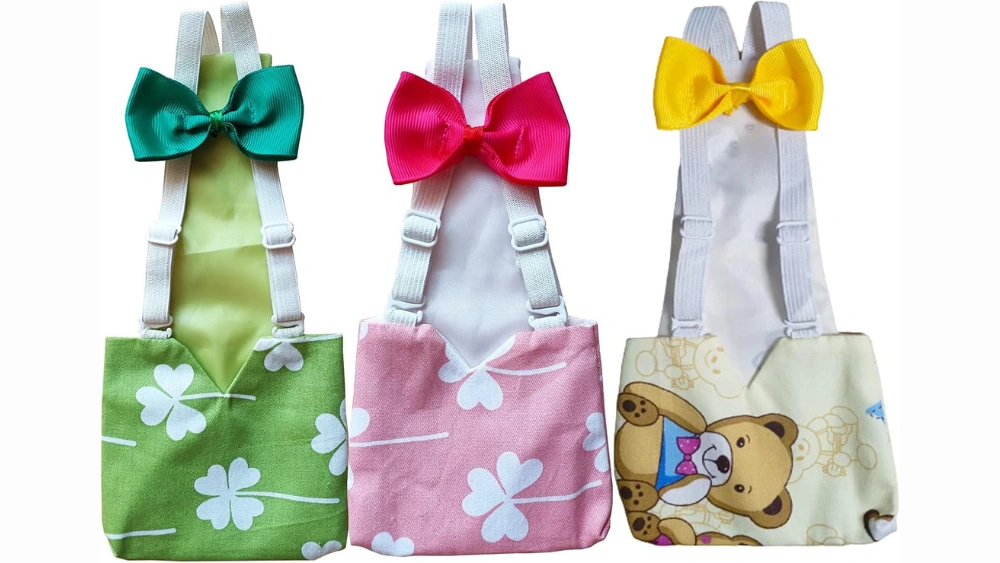
Imagine the freedom of having your feathered friend explore your home without the constant worry of unwanted messes. Yes, it’s possible with bird diapers!
If you’ve ever wondered how to keep your home clean while letting your bird roam freely, you’re in the right place. This guide will show you exactly how to make bird diapers, a solution that’s both practical and comfortable for your pet.
You’ll discover step-by-step instructions, easy tips, and the best materials to use. Keep reading, and soon you’ll be crafting your own bird diapers, ensuring a happy and healthy environment for you and your avian companion.
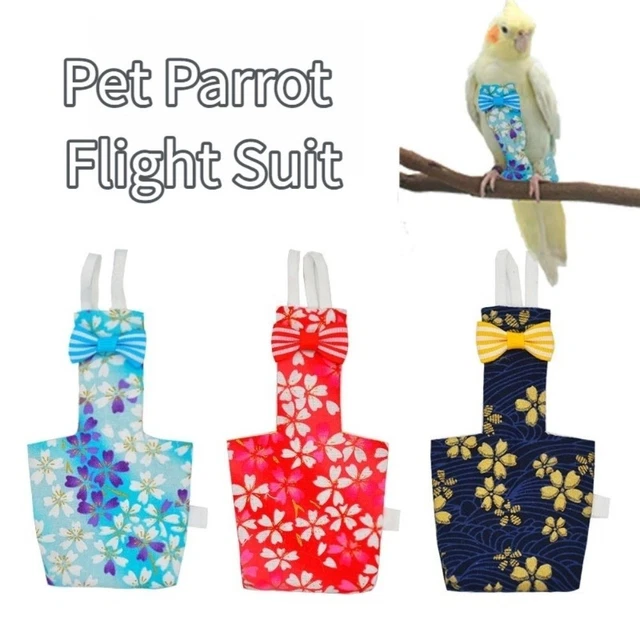
Credit: picclick.com.au
Materials Needed
Gathering the right materials is crucial before you start making bird diapers. The materials you choose can affect comfort, durability, and how well the diaper fits your feathered friend. Let’s break down what you need to prepare for a successful project.
Choosing The Right Fabric
Pick a soft, breathable fabric that won’t irritate your bird’s skin. Cotton blends or fleece work well because they absorb moisture and are gentle to touch. Avoid stiff or scratchy materials that can make your bird uncomfortable or cause chafing.
Think about ease of washing too. You want a fabric that dries quickly and can handle frequent cleaning. Have you noticed how some fabrics hold odors? Choosing the right one can save you from extra hassle.
Essential Sewing Tools
Basic sewing tools make your work easier and more precise. You’ll need a sharp pair of fabric scissors to cut clean lines and a sewing needle suited for the fabric’s thickness.
Don’t forget thread that matches your fabric color for a neat finish. A measuring tape is essential to get the right size, ensuring the diaper fits snugly without being tight. If you have a sewing machine, it can speed up the process, but hand sewing works fine too.
Additional Supplies
Besides fabric and tools, some extra items make the diaper practical. Elastic bands help keep the diaper securely on your bird without restricting movement.
Velcro strips or snaps are handy for easy diaper removal and adjustment. You might also want some absorbent pads or liners to add inside the diaper for better moisture control. Have you thought about how often you’ll need to change these? Planning ahead with these supplies keeps your bird comfortable and clean.
Measuring Your Bird
Measuring your bird correctly is important before making bird diapers. Proper measurements ensure the diaper fits comfortably and stays secure. A good fit prevents leaks and keeps your bird happy. Take your time and be gentle during the process. Use a soft measuring tape or a piece of string to get accurate sizes.
Key Measurements To Take
- Neck circumference:Measure around the base of the neck where the diaper will sit.
- Chest circumference:Measure the widest part of the bird’s chest, just below the wings.
- Waist circumference:Measure around the bird’s waist, near the bottom of the rib cage.
- Tail length:Measure from the base of the tail to the tip to ensure the diaper does not restrict movement.
Tips For Accurate Sizing
- Use a flexible tape measure or a soft string for easy wrapping.
- Take measurements while your bird is calm and relaxed.
- Double-check each measurement to avoid errors.
- Leave a little extra room for comfort and movement.
- Record all measurements clearly before starting the diaper.
Step-by-step Sewing
Sewing bird diapers may seem tricky, but breaking it down into clear stages makes it manageable. Each part of the process builds on the last, so taking your time ensures the diaper fits comfortably and works well. Let’s dive into the actual sewing steps, so you can create a practical and safe diaper for your feathered friend.
Cutting The Fabric
Choose a soft, breathable fabric like cotton or flannel to keep your bird comfortable. Lay out your pattern and carefully cut out the pieces—typically a main body piece and a lining. Precision matters here because uneven edges can cause discomfort or leaks.
Double-check your measurements before cutting to avoid wasting fabric. It’s worth taking a moment to compare the pieces side-by-side to ensure they match perfectly.
Assembling The Diaper
Place the lining and outer fabric pieces right sides together. Pin them carefully along the edges to hold everything in place while sewing. Sewing slowly around the edges helps avoid puckering, which can irritate your bird’s skin.
Leave a small opening to turn the fabric right side out once sewn. After flipping it, top-stitch around the edges to keep the layers flat and neat.
Adding Fasteners
Fasteners secure the diaper snugly without restricting movement. Velcro strips are a popular choice because they’re adjustable and gentle on feathers. Sew the Velcro pieces onto the wings of the diaper, making sure they align correctly for a secure fit.
You might prefer snaps or small buttons if your bird tolerates them. Test the fasteners for ease of use—can you put the diaper on and take it off quickly? This small step can save frustration during daily use.

Credit: csds-group.com
Fitting And Care
Fitting and caring for bird diapers are crucial to ensure your feathered friend stays comfortable and clean. A well-fitted diaper prevents leaks and irritation, while proper care keeps the diaper hygienic and safe for repeated use. Let’s dive into how you can achieve the perfect fit and maintain your bird’s diaper effectively.
Proper Diaper Fit
Your bird’s diaper should fit snugly without being too tight. If it’s too loose, it will not catch droppings effectively, leading to messes and discomfort. Too tight, and it may restrict movement or cause skin irritation.
Measure your bird’s waist and choose diaper materials that are stretchy but firm. Adjust the straps or fasteners so the diaper stays in place but allows natural movement. Pay attention to how your bird reacts—if it shows signs of distress or tries to remove the diaper frequently, the fit likely needs tweaking.
Cleaning And Maintenance
Keeping bird diapers clean is essential for your pet’s health. Rinse the diaper immediately after use to prevent stains and odors from setting in. Hand wash with mild soap and warm water, avoiding harsh chemicals that could irritate your bird’s skin.
Allow the diaper to air dry completely before the next use. Regularly inspect the diaper for wear and tear—replace it if the fabric becomes too thin or the fasteners lose grip. Have multiple diapers on hand so you can rotate them while others dry, ensuring your bird always has a fresh one ready.
Ensuring Bird Comfort
Comfort is key to your bird accepting and wearing a diaper. Use soft, breathable fabrics to avoid overheating and chafing. Observe your bird’s behavior closely—if it seems restless or uncomfortable, check for pinching or rubbing spots.
Consider adding a small amount of bird-safe powder to areas prone to moisture buildup to keep skin dry. Also, give your bird breaks without the diaper to prevent stress and allow natural preening. Have you noticed how your bird’s mood changes with different diaper styles? Finding the right balance will make a big difference in your bird’s happiness.

Credit: www.gosupps.com
Frequently Asked Questions
What Materials Are Needed To Make Bird Diapers?
You need soft fabric, Velcro straps, scissors, and measuring tape. Choose breathable, washable materials for comfort and hygiene. Velcro allows easy adjustment and secure fitting. These materials ensure the diaper fits well and keeps your bird clean and comfortable.
How Do You Measure A Bird For A Diaper?
Measure around the bird’s waist and under the tail. Use a soft measuring tape for accuracy. Ensure the diaper fits snugly but not too tight. Proper measurement prevents discomfort and allows freedom of movement.
Can Bird Diapers Prevent Messes Effectively?
Yes, bird diapers help contain droppings and keep areas clean. They are especially useful indoors or during travel. Regular cleaning and proper fitting increase their effectiveness. Always check the diaper frequently to maintain hygiene.
How Often Should Bird Diapers Be Changed?
Change bird diapers every few hours or when soiled. Frequent changes prevent skin irritation and infections. Clean the diaper thoroughly before reuse if washable. Proper maintenance ensures your bird stays healthy and comfortable.
Conclusion
Making bird diapers is simple and practical. You only need a few materials and some patience. These diapers help keep your home clean and your bird comfortable. They also save money compared to buying ready-made ones. Try different sizes and fabrics to find the best fit.
Your bird will feel safe and happy wearing them. With these easy steps, you can protect your space and enjoy your pet more. Give it a try and see the difference yourself. Caring for your bird becomes easier this way.