
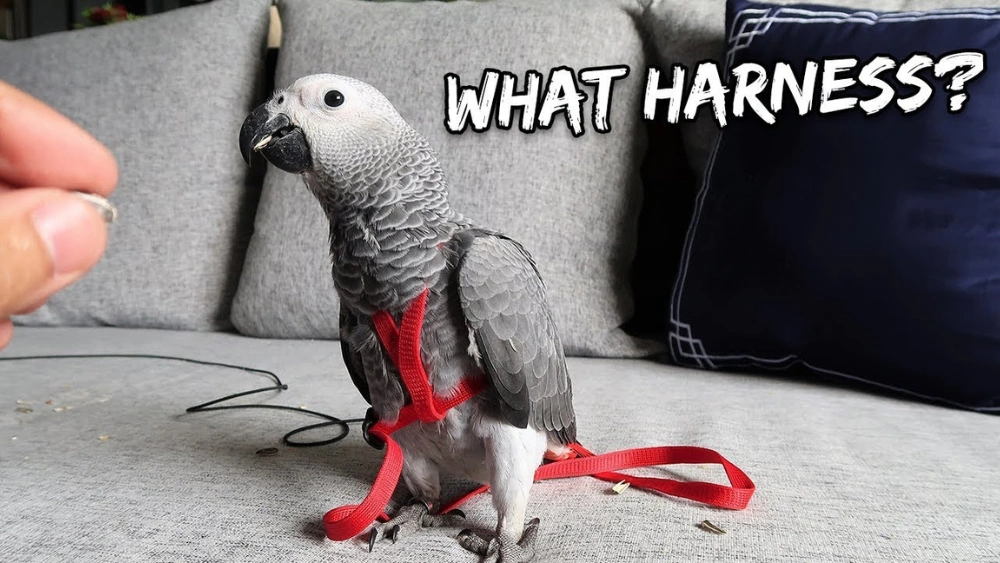
Are you a bird lover looking to give your feathered friend some fresh air and sunshine without the risk of them flying away? Imagine the joy of sharing outdoor adventures with your pet bird safely by your side.
Creating a bird harness is not as daunting as it sounds. In fact, it can be a fun and rewarding project. This guide will show you how to make an easy bird harness that ensures comfort and security for your avian companion.
By the end of this article, you’ll have the confidence to craft a harness that lets your bird explore the world while staying close to you. Ready to discover the step-by-step process and unlock a new way to bond with your bird? Let’s get started!

Credit: parrotessentials.co.uk
Choosing The Right Materials
Choosing the right materials is the foundation of making a bird harness that is both comfortable and safe for your feathered friend. The fabric you pick must be soft enough not to irritate your bird’s delicate skin yet sturdy enough to hold up against their movements and occasional pecking. Gathering the correct tools will also make your crafting process smoother and more precise, ensuring a better fit and finish.
Selecting Soft And Durable Fabrics
Look for fabrics that feel gentle to the touch, such as cotton or lightweight fleece. These materials reduce the risk of chafing and overheating. Avoid anything too rough or stiff, like nylon straps, which might hurt your bird’s skin or feathers.
Durability matters because your bird will tug and flap. Choose fabrics that can withstand wear and tear without fraying quickly. A fabric that balances softness and strength will keep your harness reliable over time.
Have you considered testing a small patch of fabric on your bird’s skin before cutting the full harness? This quick test can reveal if your bird shows any sensitivity or discomfort.
Gathering Essential Tools
Prepare sharp fabric scissors to make clean cuts without fraying edges. A measuring tape will help you get the perfect fit for your bird’s size, avoiding harnesses that are too tight or too loose.
Needle and thread or a sewing machine are essential for strong, secure seams. If you want added safety, consider using fabric glue or velcro strips designed for light wear, but never rely on glue alone for the main structure.
Small buckles or clips can make the harness adjustable, which is especially helpful as you fine-tune the fit. Don’t forget to have a lighter or clear nail polish handy to seal the ends of any synthetic fabric to prevent unraveling.

Credit: www.reddit.com
Measuring Your Bird Accurately
Measuring your bird accurately is the first step to making a comfortable harness. A good fit keeps your bird safe and happy. Precise measurements help avoid tight spots or loose straps. Take your time to measure carefully before starting the harness.
Key Measurements To Take
- Neck circumference:Measure around the base of the bird’s neck.
- Chest circumference:Measure around the widest part of the chest.
- Back length:Measure from the base of the neck to the start of the tail feathers.
- Wing span:Measure the distance between the tips of both wings when fully extended.
Use a soft tape measure or a piece of string to get these numbers. Double-check each measurement for accuracy.
Tips For A Comfortable Fit
- Allow extra space for movement, about half an inch to one inch.
- Use soft, lightweight materials to avoid irritation.
- Check the fit by sliding a finger between the harness and the bird’s body.
- Adjust straps slowly and gently to prevent stress.
- Observe your bird after fitting to ensure it moves freely.
Step-by-step Harness Assembly
Assembling a bird harness requires careful attention to detail. This process ensures the harness fits comfortably and safely. Follow clear steps to create a secure and functional harness for your bird. Each part of the assembly plays a key role in the final product.
Cutting And Preparing Straps
Start by selecting soft, lightweight straps. Nylon or cotton webbing works well. Cut two straps to fit around your bird’s body and neck. Use scissors to make clean, straight cuts.
Seal the strap ends to stop fraying. Lightly melt the edges with a lighter or use clear nail polish. Let the straps dry completely before moving on.
Assembling The Harness
Lay the straps flat on a clean surface. Form a loop with the neck strap, sized to fit your bird’s neck comfortably. Attach the body strap by threading it through the neck loop.
Secure the straps by sewing or using strong adhesive. Stitch at the points where the straps cross to form the harness shape. Make sure all seams are tight and neat.
Adding Safety Features
Add a small safety buckle or clip for quick release. This helps remove the harness easily in emergencies. Attach a lightweight D-ring for leash connection.
Check all parts for sharp edges or loose threads. Smooth any rough spots to prevent bird injury. Test the harness on your bird gently to ensure comfort and fit.

Credit: www.amazon.com
Training Your Bird For Harness Use
Training your bird to wear a harness takes patience and care. Birds can feel scared or stressed at first. Helping them get used to the harness slowly makes the process easier. Positive experiences build trust and comfort. This section guides you through simple steps to prepare your bird for safe outdoor adventures with a harness.
Introducing The Harness Gradually
Start by showing the harness to your bird. Let them see and touch it without putting it on. Use gentle words and offer treats near the harness. This creates a good feeling about the harness.
Next, place the harness near your bird’s cage. Allow the bird to explore it at their own pace. Do not force the harness on. Let the bird get used to its presence first.
Once your bird seems calm, try putting the harness on for a few seconds. Watch your bird’s reaction carefully. If they stay calm, give praise and treats immediately. Increase the time wearing the harness slowly each day.
Ensuring Safe Outdoor Flights
Check the harness fit before every outdoor session. It should be snug but not too tight. Loose harnesses can cause escape or injury.
Start outdoor flights in a quiet, secure area. Keep the first flights short and close to you. Watch your bird’s behavior closely. If they seem scared, bring them back inside.
Always use a leash with the harness. This keeps your bird safe and prevents sudden escapes. Gradually let your bird fly longer as they gain confidence. Safety is the top priority during outdoor flights.
Frequently Asked Questions
What Materials Do I Need For A Bird Harness?
You need soft, lightweight fabric, adjustable straps, a small buckle, and scissors. These materials ensure comfort and safety for your bird.
How Do I Measure My Bird For The Harness?
Measure around your bird’s chest and neck with a soft tape. Ensure the harness fits snugly but not too tight.
How Long Does It Take To Make A Bird Harness?
Making a bird harness takes about 30 to 45 minutes. It depends on your crafting skill and material readiness.
Can Any Bird Wear A Harness Safely?
Most small to medium birds can wear harnesses safely. Always supervise and ensure the harness fits properly to avoid injury.
Conclusion
Making a bird harness can be simple and safe. Use soft materials to keep your bird comfortable. Always check the fit before going outside. Practice patience while your bird gets used to it. This harness lets your bird enjoy fresh air safely.
Remember, small steps lead to great results. Enjoy time with your feathered friend outdoors!