

Imagine being able to take your feathered friend on outdoor adventures, all while ensuring their safety and comfort. Making a bird harness might seem like a daunting task at first, but it’s actually quite simple and rewarding.
If you’ve ever worried about your bird flying away or just want to enrich their life with some fresh air and sunshine, creating a custom harness is the way to go. Not only will you learn how to make a harness that perfectly fits your bird, but you’ll also feel more connected to them through this hands-on project.
Ready to discover how you can craft the perfect harness for your avian companion? Let’s dive in and explore the steps that will keep your bird safe and happy.

Credit: www.amazon.com
Choosing The Right Materials
Choosing the right materials is crucial when making a harness for your bird. The materials affect not only the safety but also the comfort and durability of the harness. Selecting carefully ensures your bird stays secure without feeling restricted.
Safe Fabrics
Always pick fabrics that are non-toxic and gentle on your bird’s skin. Natural fibers like cotton or hemp are excellent choices because they breathe well and reduce the risk of irritation.
Avoid synthetic materials that can fray or cause allergic reactions. Have you noticed your bird scratching more with certain fabrics? That’s a sign to switch to something softer and safer.
Durable Fasteners
Fasteners hold everything together, so they must be both strong and bird-friendly. Small metal buckles or plastic clips designed for pet use work well and won’t easily break under tension.
Consider how easy it is for you to put on and remove the harness, but also how secure it feels when worn. Have you tested if the fasteners can withstand quick movements or a sudden flutter?
Comfort Considerations
Comfort is key to keeping your bird calm and cooperative. Look for materials that are lightweight and flexible to avoid restricting wing or leg movement.
Padding areas that touch sensitive skin can prevent chafing. Think about where your bird’s feathers and skin are most delicate, and adjust your design accordingly.
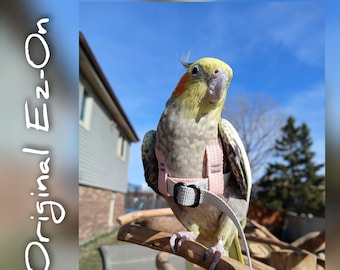
Credit: www.etsy.com
Measuring Your Bird
Measuring your bird correctly is essential to make a comfortable harness. The harness must fit well to keep your bird safe. Take your time and be gentle while measuring. Use a soft tape measure for accuracy and comfort. Focus on three main areas: wing span, chest size, and neck circumference. Each measurement helps create a harness that suits your bird’s body perfectly.
Wing Span
Measure the wing span from tip to tip. Gently extend your bird’s wings without forcing them. Place the tape measure across the widest part. This measurement ensures the harness allows free wing movement. Write down the number and double-check it for accuracy.
Chest Size
Wrap the tape measure around the widest part of the bird’s chest. This is usually just below the wings. Keep the tape snug but not tight. The chest size helps the harness fit securely around your bird’s body. Record the measurement carefully to avoid errors.
Neck Circumference
Measure around the base of the neck, where it meets the body. Use a soft tape and keep it loose enough for comfort. This size prevents the harness from choking or slipping off. Note the number and verify it for a perfect fit.
Crafting The Harness
Crafting a harness for a bird requires careful attention to detail. The harness must be safe, comfortable, and secure. Using the right materials and tools helps create a harness that fits well and lasts long.
Focus on cutting straps correctly, assembling pieces tightly, and adjusting the fit to your bird’s size. These steps ensure the harness works effectively and keeps your bird safe during outdoor activities.
Cutting The Straps
Choose soft, durable material like nylon or leather for the straps. Measure your bird’s body gently to get the right length. Cut two main straps:
- One for around the chest
- One to loop around the wings
Use sharp scissors for clean edges. Avoid frayed ends by sealing them with a lighter or clear tape. Keep strap width narrow enough for comfort but strong enough to hold.
Assembling The Pieces
Lay the straps flat on a clean surface. Attach the chest strap and wing loop using small metal rings or plastic buckles. Sew the ends securely with strong thread or use a hot glue gun for extra hold.
Make sure all connections are tight but flexible. Test the harness by gently pulling on each part. The pieces should stay together without slipping or loosening.
Adjusting Fit
Place the harness on your bird carefully. Adjust the straps to fit snugly but not too tight. Check that the bird can move its wings freely.
- Ensure no straps pinch or rub the skin
- Confirm the bird can breathe and move comfortably
- Make small adjustments to buckles or rings as needed
Regularly check the harness fit as your bird moves or grows. A proper fit prevents injury and keeps your bird happy during outings.
Ensuring Bird Safety
Ensuring your bird’s safety is the top priority when making a harness. A well-made harness protects the bird without causing stress or injury. Careful attention to fit, use, and condition helps keep your feathered friend safe and happy.
Proper Fit Checks
Check the harness fit before every use. It should be snug but not tight. The bird must move comfortably without slipping out. Adjust straps to avoid rubbing or pinching skin. Make sure the harness does not restrict breathing or wing movement.
Supervised Use
Always watch your bird while wearing the harness. Never leave the bird alone outside the cage. Supervision prevents accidents like getting stuck or chewing the harness. Keep your bird calm and secure by staying close during outdoor time.
Regular Inspections
Inspect the harness for wear and damage often. Look for frayed edges, broken buckles, or loose stitching. Replace the harness immediately if it shows signs of weakness. Clean the harness regularly to avoid skin irritation or infection.

Credit: www.amazon.com
Frequently Asked Questions
How Do I Make A Safe Bird Harness?
Use soft, lightweight materials like nylon or cotton. Measure your bird carefully for a snug fit. Avoid tight knots or sharp edges to prevent injury. Ensure the harness allows comfortable movement while preventing escape.
What Size Harness Fits My Bird Best?
Measure your bird’s chest and neck circumference accurately. Choose or adjust the harness to fit snugly but not tightly. Proper sizing prevents discomfort and escape, ensuring your bird’s safety during outdoor activities.
Can I Train My Bird To Wear A Harness?
Yes, start slowly by introducing the harness gently. Reward your bird with treats and praise. Gradually increase wearing time to build comfort and trust. Patience is key to successful harness training.
What Materials Are Best For Bird Harnesses?
Soft, durable fabrics like nylon, cotton, or leather work best. These materials are lightweight, safe, and comfortable for birds. Avoid rough or heavy materials that may cause irritation or harm.
Conclusion
Making a bird harness can be simple and safe. Use soft materials to keep your bird comfortable. Measure carefully to avoid tightness or looseness. Always watch your bird closely when using the harness. Patience helps your bird get used to it.
With care, you can enjoy outdoor time together. Remember, safety comes first for your feathered friend. Try small steps and keep practice gentle. This way, harness time becomes fun and stress-free.