
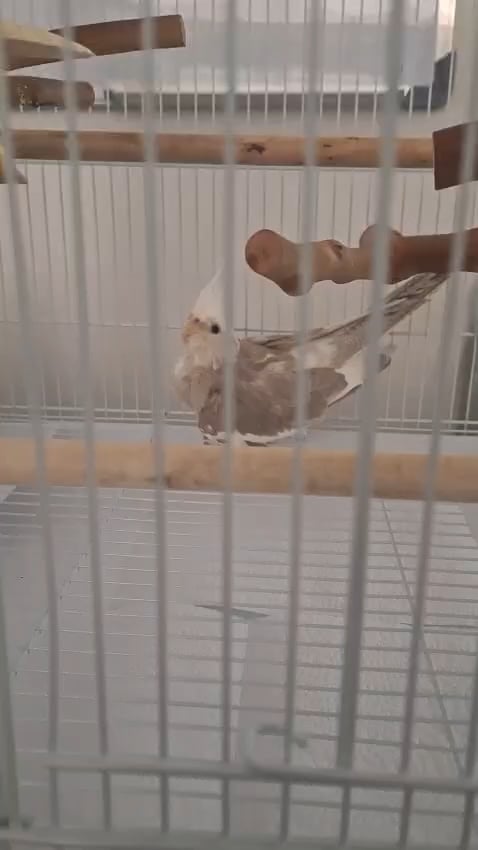
Is your feathered friend pacing back and forth in its cage? You might be wondering what this restless behavior means and whether it’s something to be concerned about.
Observing your bird’s movements can be like deciphering a secret language, and understanding what they’re trying to communicate can strengthen the bond between you and your pet. We’ll dive into the reasons behind this curious pacing behavior. From boredom to excitement, and even health-related issues, we’ll explore the possible causes and solutions.
By the end, you’ll not only have a clearer picture of what’s going on inside your bird’s mind but also practical tips to ensure your avian companion is happy and healthy. Stick around to discover how to bring peace and joy back into your bird’s daily routine.

Credit: www.reddit.com
Common Causes Of Pacing
Noticing your bird pacing back and forth in its cage can be worrying. Understanding the common causes behind this behavior helps you respond effectively and improve your bird’s well-being. Birds pace for various reasons, often linked to their mental and physical state.
Lack Of Mental Stimulation
Birds are intelligent creatures that need constant mental challenges. Without enough toys, puzzles, or interaction, your bird may pace simply because it’s bored or restless. Have you tried adding new toys or changing their arrangement to keep your bird curious and engaged?
Simple changes like rotating toys or teaching new tricks can reduce pacing. Mental stimulation not only entertains your bird but also prevents negative behaviors caused by frustration.
Boredom And Loneliness
Birds are social animals that thrive on companionship. If your bird spends a lot of time alone, pacing might be its way of seeking attention or expressing loneliness. Do you spend enough quality time interacting with your bird every day?
Consider setting regular play or talk sessions to break their isolation. Sometimes, a companion bird or more human interaction can make a big difference in calming their restlessness.
Environmental Stressors
Changes in the environment can stress your bird, causing pacing as a coping mechanism. Loud noises, new pets, or even changes in room temperature can unsettle your bird. Have you noticed if the pacing increases during specific times or events?
Creating a calm, predictable environment helps reduce anxiety. Moving the cage away from noisy areas or providing a cozy hiding spot can make your bird feel safer and less inclined to pace.
Health Issues
Pacing can sometimes signal a health problem, like discomfort or pain. Birds often hide illness, so pacing might be one of the few signs you notice. If the behavior is new or accompanied by other symptoms like feather plucking or changes in appetite, a vet visit is important.
Regular health checks ensure your bird stays in top shape. Don’t ignore pacing that suddenly appears or worsens, as early diagnosis can prevent serious issues.
Behavioral Signs To Watch
Noticing your bird pacing back and forth in its cage can be unsettling. It often signals that something in your bird’s environment or routine has changed. Watching for specific behavioral signs can help you understand what’s really going on and how to support your feathered friend.
Changes In Activity Levels
Has your bird suddenly become restless or unusually quiet? A drop or spike in activity can indicate stress or boredom. If your bird used to play with toys but now just paces, it’s a clear sign that something needs to change in their environment.
On the other hand, excessive pacing combined with frantic movements might mean your bird is anxious. Try observing the times of day when pacing increases—does it happen when you’re not around? This might suggest your bird feels lonely or neglected.
Vocalization Patterns
Listen closely to your bird’s calls. Are they louder or more frequent than usual? Changes in vocalization often accompany pacing and can reveal emotional states like frustration or a need for attention.
Your bird might also start mimicking sounds more or less depending on its mood. If the usual cheerful chirps turn into repetitive squawks or silence, you should consider what might be causing this shift.
Feather Plucking And Aggression
Pacing sometimes leads to more serious signs like feather plucking or aggressive behavior. These are warning signals that your bird is stressed or unhappy. If you notice your bird pulling out feathers or biting, don’t ignore it.
These behaviors often stem from unmet needs or discomfort. Have you checked if the cage is too small, or if the bird’s diet and social interaction are adequate? Small changes can prevent these harmful habits and help your bird feel secure again.
Effective Solutions For Pacing
Birds pace in their cages to express boredom, stress, or a need for stimulation. Finding solutions helps calm them and improve their well-being. Effective solutions focus on making the cage more inviting, offering social time, encouraging exercise, and seeking expert advice when needed.
Enhancing Cage Environment
Make the cage a lively place with toys and perches. Use swings, ladders, and chewable items to keep your bird busy. Change toys often to keep things fresh. Place the cage where your bird can see activity but also rest quietly. Clean the cage regularly to maintain a healthy space.
Providing Social Interaction
Birds are social creatures. Spend time talking or sitting near your bird. Let your bird watch you during daily tasks. Offer gentle petting or hand feeding if your bird allows it. Consider a companion bird if your bird feels lonely. Social contact reduces anxiety and pacing behavior.
Regular Exercise And Playtime
Birds need time outside their cage for flying and exploring. Create a safe room for free flight or supervised play. Use toys that encourage movement, like balls or puzzle feeders. Exercise helps reduce excess energy that causes pacing. Daily play keeps your bird happy and healthy.
Consulting A Veterinarian
Persistent pacing may indicate health problems. Visit a vet to check for illness or pain. The vet can suggest treatments or behavioral therapies. Early vet advice prevents serious issues. Professional guidance ensures your bird’s pacing is not a sign of distress.

Credit: www.reddit.com

Credit: www.reddit.com
Frequently Asked Questions
Why Does My Bird Pace Back And Forth?
Birds pace due to boredom, stress, or lack of stimulation. It’s a common sign they need more interaction or toys to stay mentally engaged.
Can Pacing Indicate Bird Anxiety Or Stress?
Yes, pacing often signals anxiety or stress. Birds may feel insecure or frightened in their environment, needing comfort or routine changes.
How Can I Stop My Bird From Pacing?
Increase playtime, provide varied toys, and ensure social interaction. A larger cage and natural light also help reduce pacing behaviors.
Is Pacing Harmful To My Bird’s Health?
Pacing itself isn’t harmful but may indicate underlying issues. Prolonged stress can affect health, so addressing causes is crucial for well-being.
Conclusion
Birds pace in their cages for many reasons. They may feel bored, lonely, or stressed. Changing their environment helps a lot. Give your bird toys and time outside the cage. Talk and spend time with your bird daily. Notice any changes in behavior or health.
Small changes can make your bird happier. Your care matters most for a calm, healthy bird. Keep learning about your bird’s needs. This will build a strong, loving bond.