
Do you ever wonder if your feathered friend needs a little extra comfort at night? Covering your bird’s cage might seem like a small detail, but it can make a world of difference for their well-being.
Imagine the peace of mind knowing your pet is resting soundly, free from disturbances. You might be asking yourself, “Is covering the cage truly necessary? ” Or “Does it impact my bird’s health? ” These are important questions, and finding the right answers could greatly enhance your pet’s life.
Stick around, and we’ll unravel the mystery behind this common practice, helping you decide what’s best for your beloved bird.
Reasons To Cover Bird Cages
Caring for pet birds involves many small habits that improve their health. Covering bird cages at night is one such habit. It helps create a calm and safe environment for birds during their rest time. Understanding the reasons to cover bird cages can guide better pet care and promote bird well-being.
Promoting Better Sleep
Covering the cage helps block out light and noise. Birds sleep deeper and longer in dark, quiet spaces. This rest is crucial for their energy and mood. A covered cage mimics natural night conditions, signaling time to sleep. Without a cover, birds may stay alert and restless.
Reducing Stress And Anxiety
A covered cage offers a sense of security. It shields birds from sudden movements and loud sounds. This reduces stress and anxiety during the night. Birds feel protected in a covered, cozy space. Lower stress levels improve overall health and behavior.
Protecting From Drafts And Temperature Changes
Birds are sensitive to cold drafts and quick temperature drops. A cage cover acts as a barrier against chilly air. This protection helps maintain a stable, warm environment. Stable temperatures reduce risks of illness. A covered cage keeps birds comfortable and safe.
Credit: kathylafollett.medium.com
When And How To Cover The Cage
Covering a bird cage at night helps create a calm, safe space for your pet. It blocks light and noise, which can disturb your bird’s sleep. Knowing when and how to cover the cage ensures your bird stays comfortable and healthy.
Choosing The Right Cover Material
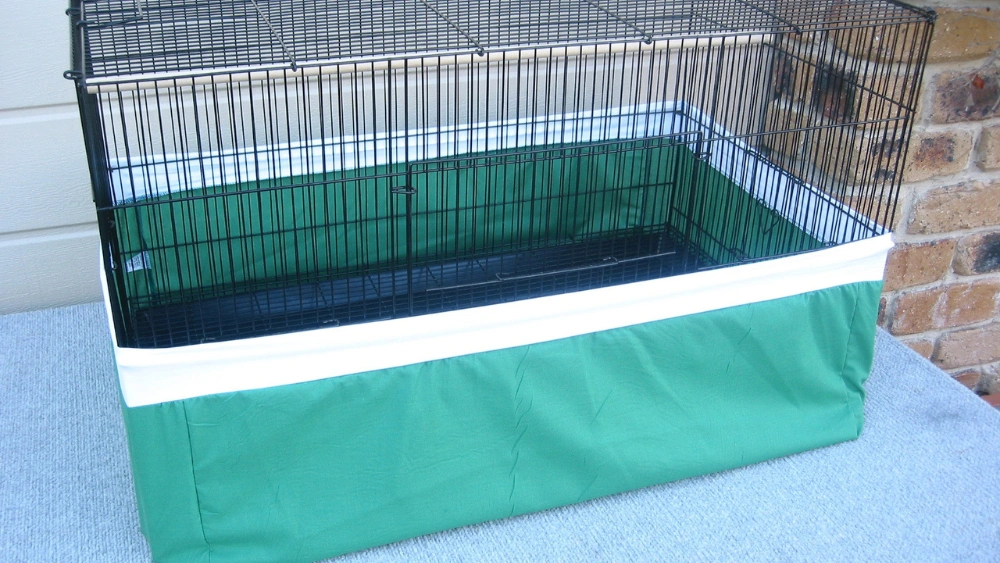
Select a cover made of breathable fabric like cotton or flannel. Avoid plastic or heavy materials that trap heat and moisture. The cover should be large enough to fit the cage fully.
Use light colors to reduce heat buildup. Wash the cover regularly to keep it clean and free from dust.
Timing For Covering The Cage
Cover the cage just before your bird’s usual bedtime. This helps signal that it is time to sleep. Remove the cover early in the morning to let natural light in.
Do not cover the cage too early or leave it covered for too long. This can confuse your bird or cause overheating.
Proper Covering Techniques
- Drape the cover evenly over all sides of the cage.
- Leave a small gap for air circulation to prevent stuffiness.
- Avoid tight wrapping that restricts movement or access to food and water.
- Check your bird’s behavior to adjust covering if needed.
Potential Downsides And Alternatives
Covering a birdcage at night can help some birds feel safe and sleep better. Still, it is not always the best choice. Some birds may not like the cover. Others might face problems if the cage is covered too much. Knowing the possible downsides helps you make a better choice for your pet. There are also other ways to help your bird rest well at night without using a cover.
Risks Of Overcovering
Too much cover can stop fresh air from reaching your bird. This may cause breathing problems or overheating. Lack of light and airflow can make your bird stressed. It may also hide signs of illness. Overcovering can trap dust and moisture inside the cage. This creates a dirty environment. Your bird might feel trapped or scared if covered too tightly. Always use a light cover, not a heavy blanket.
Signs Your Bird Dislikes The Cover
Watch your bird’s behavior closely after covering the cage. If it:
- Paces or tries to escape
- Makes loud noises or cries
- Flaps wings nervously
- Stops eating or drinking
- Looks restless or scared
These signs mean your bird is uncomfortable. Remove the cover and try other ways to help it sleep well.
Other Ways To Ensure Nighttime Comfort
- Keep the room dark and quiet at night.
- Use a dim night light if your bird needs some light.
- Place the cage away from drafts and loud noises.
- Maintain a regular sleep schedule for your bird.
- Provide cozy bedding or perches inside the cage.
- Use a cage cover only for part of the night.
These steps create a calm and safe space for your bird without full covering. Each bird is different. Find what makes your bird feel calm and secure.

Credit: www.amazon.ca

Credit: www.amazon.ca
Frequently Asked Questions
Do Birds Need Their Cages Covered At Night?
Covering bird cages at night helps simulate darkness, promoting restful sleep and reducing stress for birds. It also protects them from drafts and sudden noises, creating a calm environment that mimics their natural sleeping conditions.
What Are The Benefits Of Covering A Bird Cage?
Covering a bird cage at night improves sleep quality, reduces stress, and minimizes exposure to light and noise. It also helps maintain consistent sleep routines, which are essential for a bird’s health and well-being.
Can Covering A Bird Cage Harm My Pet?
If done properly, covering a bird cage does not harm pets. Use breathable, lightweight covers to ensure airflow and avoid overheating. Always monitor your bird’s behavior to ensure it feels comfortable and safe under the cover.
How Do I Choose The Right Cover For My Bird Cage?
Choose a cover made from breathable fabric that fits the cage size well. Avoid plastic or heavy materials that block airflow. The cover should be easy to remove and clean, ensuring a safe and comfortable environment for your bird.
Conclusion
Covering a bird cage at night can help your pet feel safe and sleep well. It blocks light and noise, creating a calm space. Not all birds need a cover, but many enjoy it. Always watch how your bird reacts to the cover.
A good night’s rest keeps birds healthy and happy. Try it for a few nights and see the difference. Your bird’s comfort matters most. Simple steps can make nights peaceful for both you and your feathered friend.