

Have you ever wondered if birds could wear clothes? Imagine the joy of crafting tiny outfits for your feathered friends.
Making clothes for birds might sound unusual, but it’s a delightful way to express creativity and care for your avian companions. This fun activity can strengthen your bond with your pet bird while providing a charming conversation starter when guests visit.
In this guide, you’ll discover simple steps to create fashionable and functional bird attire. Whether you’re aiming to keep your bird warm, protect its feathers, or just have some fun, there’s a lot to learn. You’ll find out how to choose the right materials and designs that suit your bird’s needs and personality. So, if you’re ready to dive into this unique and fulfilling project, keep reading to uncover the secrets of making clothes for birds that are both safe and stylish.
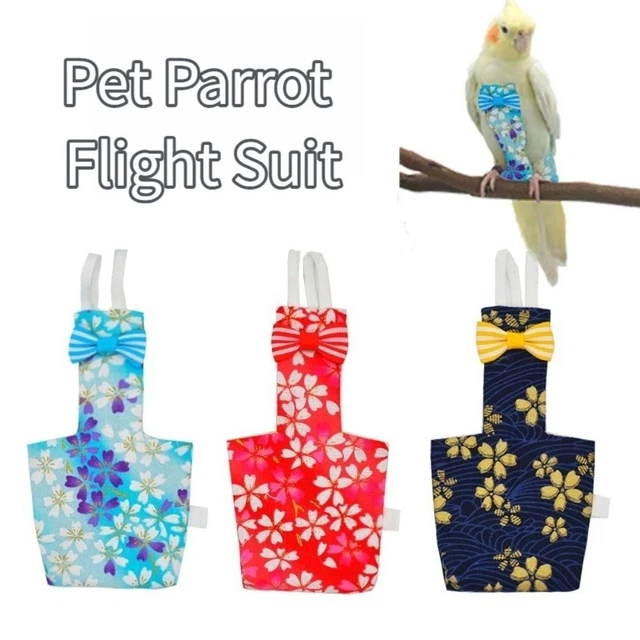
Credit: picclick.com.au
Choosing Safe Materials
Choosing safe materials is crucial when making clothes for birds. Birds have delicate skin and feathers. Using the right materials keeps them comfortable and healthy. Unsafe fabrics or accessories can cause irritation or injury. Focus on materials that are gentle, non-toxic, and lightweight.
Non-toxic Fabrics
Select fabrics free from harmful chemicals and dyes. Natural fibers like cotton and linen are excellent choices. They do not release toxins that can harm birds. Avoid synthetic fabrics treated with chemicals. These may cause allergies or breathing problems.
Soft And Lightweight Options
Bird clothes should be soft and light. Heavy or rough fabrics can restrict movement and cause stress. Soft materials protect fragile feathers and skin. Lightweight clothes keep birds cool and comfortable during wear.
Avoiding Harmful Accessories
Stay clear of small parts like buttons or beads. Birds may swallow or choke on these. Avoid metal pieces that can rust or cause cuts. Use safe stitching methods without loose threads. Loose threads can tangle and injure birds.

Credit: nrarep.net
Taking Accurate Measurements
Taking accurate measurements is the first key step to making clothes for birds. Proper measurements ensure the outfit fits well without causing discomfort. Birds have unique body shapes, so careful measuring is essential. Focus on key areas that affect fit and movement. This helps create clothing that looks great and feels natural for your bird.
Measuring Wingspan
Measure from the tip of one wing to the tip of the other. Keep the bird calm and wings gently extended. Use a soft measuring tape or ruler. Note down the wingspan length carefully. This measurement helps design clothing that allows free wing movement.
Assessing Neck And Body Size
Wrap the tape around the base of the bird’s neck. Avoid tightness to prevent discomfort. Next, measure the body’s widest part, usually near the chest. Record these sizes precisely. These numbers guide the garment’s collar and body width.
Ensuring Comfortable Fit
Leave a little extra room for comfort and movement. Avoid making clothes too tight or too loose. Check that the bird can move freely and breathe easily. Adjust measurements slightly if needed before cutting fabric. Comfort ensures the bird wears the clothes happily.
Simple Sewing Techniques
Simple sewing techniques can make the process of creating clothes for birds both enjoyable and effective. You don’t need advanced skills to start crafting comfortable and cute outfits. With a few basic stitches and smart fastening choices, you can design clothes that fit well and stay secure without causing any discomfort to your feathered friend.
Basic Stitching Methods
Start with straightforward stitches like the running stitch and backstitch. The running stitch is easy and fast, perfect for joining fabric edges. Backstitch adds strength, making it ideal for seams that need to hold up to movement.
Practice on scrap fabric to get the tension right—too tight can pucker the fabric, too loose may unravel. Keeping your stitches small and even improves durability and appearance.
Using Velcro And Snaps
Velcro and snaps are great alternatives to buttons or zippers when making bird clothes. They allow for easy dressing and removal, which is especially helpful when dealing with a wiggly bird.
- Velcro:Attach soft Velcro strips to avoid scratching your bird’s skin.
- Snaps:Use plastic snaps that are lightweight and safe for birds.
Think about how your bird moves and choose fasteners that won’t restrict wing or body motion. Have you noticed how some fasteners can irritate your pet? Choosing the right one can prevent that.
Adding Decorative Elements
Decorations can make bird clothes adorable but keep safety in mind. Small bells or beads might be tempting but can be choking hazards. Instead, try sewing on lightweight fabric patches or simple embroidery.
Use bright colors and patterns to make the outfit pop. Personal touches like your bird’s initials can add charm without extra bulk.
What little detail would your bird love to show off? Sometimes, the simplest designs capture the most attention.
Fitting And Adjustments
Fitting and adjusting clothes for birds is a delicate task. Proper fitting ensures the bird stays safe and comfortable. It also helps the clothes look neat and stay in place. Careful adjustments prevent any stress or injury to your feathered friend.
Trying Clothes On Birds
Start by gently placing the clothes on your bird. Observe how it moves and reacts. Look for any tight spots or loose areas. Watch the bird’s wings and legs to make sure they move freely. Keep the session short to avoid stress.
Making Necessary Alterations
Use soft fabric and small stitches for changes. Adjust tight areas by loosening seams carefully. If clothes are too loose, add gentle tucks or small fasteners. Avoid anything sharp or heavy. Test each change by trying clothes on the bird again.
Monitoring Bird Comfort
Check your bird often while it wears clothes. Look for signs like ruffled feathers or restlessness. Make sure the clothes do not block breathing or movement. Remove clothes if the bird shows discomfort. Comfort is key to keeping your bird happy and healthy.

Credit: www.amazon.ca
Frequently Asked Questions
What Materials Are Best For Making Bird Clothes?
Soft, lightweight fabrics like cotton or fleece work best. Avoid heavy or rough materials to ensure bird comfort and mobility.
How Do I Measure Birds For Custom Clothing?
Measure the bird’s chest, neck, and wingspan gently. Use a flexible tape to get accurate, snug but comfortable measurements.
Can Bird Clothes Protect Birds From Cold Weather?
Yes, clothes made from warm materials can provide extra insulation. They help small birds stay warm in chilly conditions.
How Often Should Bird Clothes Be Cleaned?
Clean bird clothes regularly to maintain hygiene. Wash gently with mild detergent and air dry to avoid damage.
Conclusion
Making clothes for birds can be fun and rewarding. Start with soft, safe materials that do not harm your bird. Keep designs simple and comfortable to ensure your bird feels happy. Always watch how your bird reacts to new clothes.
Small stitches and light fabrics work best. Remember, your bird’s safety comes first. With patience, you can create cute outfits that suit your feathered friend. Enjoy the process and learn as you go. Bird clothes add charm without stress or danger.
Try making some today and see the joy it brings!