
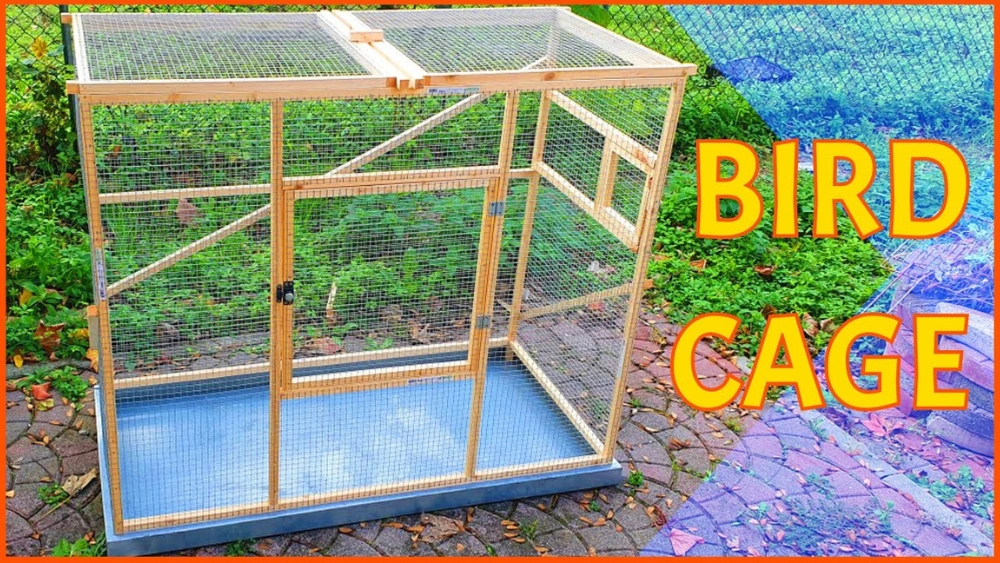
Are you looking to create a cozy home for your feathered friends? Building a bird cage for parakeets can be a rewarding project that not only saves you money but also allows you to customize a perfect habitat for your pets.
Imagine the satisfaction of knowing that every perch and swing is placed exactly where your parakeets will love it. Plus, by crafting your own cage, you ensure it meets all your birds’ needs for space and safety. This guide will walk you through the simple steps to build a bird cage that both you and your parakeets will adore.
Stick around to discover the secrets of a happy, chirping haven!

Credit: www.amazon.ca
Choosing Materials
Choosing the right materials is key to building a safe and comfortable bird cage for your parakeets. The materials you pick will affect the cage’s durability, safety, and even your bird’s health. Think about what your parakeets will chew on, perch on, and interact with daily to make smart choices that last.
Safe Wood Types
Wood adds a natural touch and warmth to your parakeet’s cage. But not all wood is safe for birds. Avoid treated or painted wood, as chemicals can harm your feathered friends.
Look for untreated hardwoods like:
- Maple
- Birch
- Applewood
- Poplar
These woods are sturdy and generally safe for birds to chew on. Cedar and pine, however, release oils that can irritate a parakeet’s respiratory system, so keep those away.
Non-toxic Paints
Paint or finish might be needed to protect the wood and add a nice look, but you must choose carefully. Parakeets often nibble on cage surfaces, so any coating must be non-toxic and safe if ingested.
Look for paints labeled “bird-safe” or “non-toxic.” Water-based acrylic paints are a good option. Avoid oil-based paints and sprays that contain heavy metals or harmful chemicals.
Have you ever wondered what your parakeet might be ingesting from a painted surface? Choosing the right paint can prevent serious health issues down the road.
Mesh And Wire Options
The mesh or wire forms the cage’s skeleton and keeps your parakeets safe inside. The thickness and material of the wire are crucial for security and comfort.
Stainless steel wire is the best choice because it doesn’t rust and is very strong. Galvanized wire is cheaper but may corrode over time, which could be harmful.
Wire spacing should be tight enough to prevent escapes and protect from predators, usually between 1/2 inch to 5/8 inch. Would you risk a cage that’s not secure enough for your curious birds?
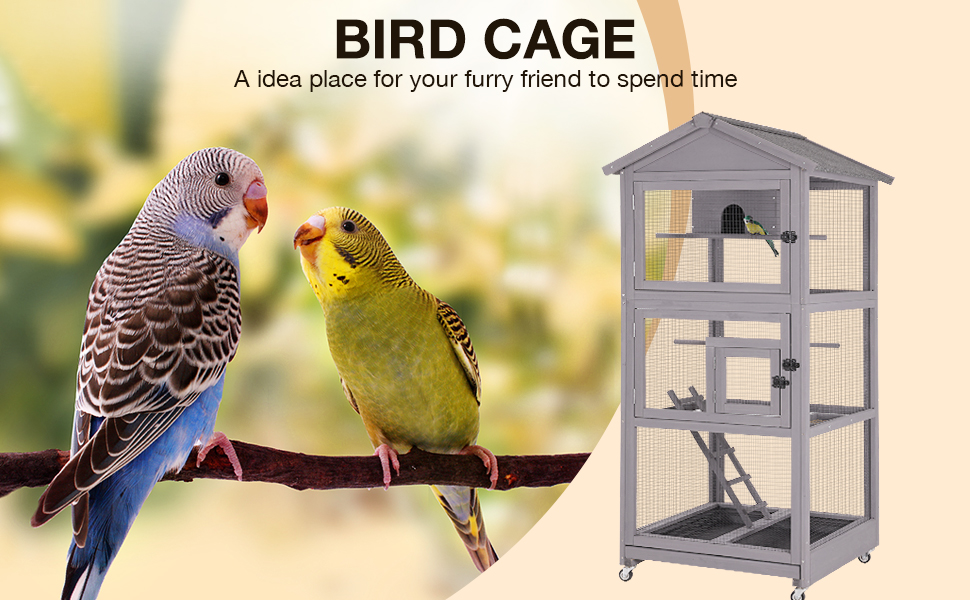
Credit: www.amazon.com
Construction Steps
Building a bird cage for parakeets requires careful planning and precise work. The construction steps guide you through creating a safe and comfortable space. Focus on measuring, cutting, assembling, and attaching essential parts. This ensures a sturdy cage that meets your pet’s needs.
Measuring And Cutting
Start by measuring the wood or metal pieces accurately. Use a tape measure and mark the lengths clearly. Cut each piece with a saw or metal cutter, depending on the material. Smooth rough edges with sandpaper to avoid injuries. Precise cuts help the cage fit together well and stay strong.
Assembling The Frame
Arrange the cut pieces to form the cage’s frame. Use screws or nails to join the parts firmly. Check that the frame is square and level before securing everything. Reinforce corners with brackets for extra strength. A solid frame supports the cage’s weight and keeps it stable.
Attaching Doors And Accessories
Attach doors using hinges, making sure they open easily and close tightly. Add locks or latches to keep your parakeets safe inside. Install perches, feeders, and water holders in accessible spots. Ensure accessories do not block movement or harm the birds. Proper placement makes the cage functional and comfortable.
Finishing Touches
The finishing touches on your parakeet bird cage are what turn a simple structure into a safe, comfortable home. These final steps focus on making the cage not only visually appealing but also functional and enjoyable for your feathered friend. Paying attention to details can make a big difference in your parakeet’s happiness and health.
Sanding And Painting
Sanding the cage thoroughly ensures there are no rough edges or splinters that could hurt your parakeet. Use fine-grit sandpaper to smooth every surface, paying close attention to corners and joints where wood might be uneven.
Choose a non-toxic, bird-safe paint for the cage. Avoid paint with strong fumes or harmful chemicals. Water-based paints labeled safe for pet use are your best bet. A well-painted cage not only looks great but also protects the wood from moisture and wear.
Adding Perches And Toys
Perches are essential for your parakeet’s foot health and comfort. Use natural wood branches with varying thicknesses to prevent foot fatigue. Position perches at different heights to encourage climbing and exercise.
Don’t forget toys—they keep your parakeet mentally stimulated and prevent boredom. Simple swings, mirrors, and chewable toys work well. Rotate toys regularly to maintain your parakeet’s interest and curiosity.
Cleaning And Maintenance Tips
Keeping the cage clean is crucial for your parakeet’s health. Line the cage bottom with newspaper or bird-safe liners, and change them daily to avoid buildup of droppings and bacteria.
Regularly wash food and water containers with hot, soapy water. Wipe down perches and toys often to remove dust and debris. Inspect the cage weekly for any damage or loose parts that could pose a hazard.
Have you considered how small changes in maintenance routines might improve your parakeet’s well-being? Consistent care creates a happier environment for both you and your pet.

Credit: www.amazon.com
Frequently Asked Questions
What Materials Are Best For Building A Parakeet Cage?
Use non-toxic, sturdy materials like stainless steel or untreated wood. Avoid lead, zinc, or galvanized metals. Ensure bars are spaced ½ inch apart to keep parakeets safe. Choose materials easy to clean and resistant to chewing for durability and hygiene.
How Big Should A Parakeet Cage Be?
A cage should be at least 18x18x24 inches for one parakeet. Larger cages provide more space for flying and toys. Bigger cages improve parakeet health and happiness. Always prioritize cage size for active, comfortable living conditions.
How Do I Ensure Proper Ventilation In The Cage?
Use bars or mesh walls for natural airflow. Avoid solid walls that block ventilation. Good airflow prevents respiratory issues and keeps the cage fresh. Position the cage away from drafts and direct sunlight for safety.
What Tools Are Needed To Build A Parakeet Cage?
Basic tools include a saw, drill, screwdriver, measuring tape, and sandpaper. Use bird-safe paint or sealant if finishing wood. Having proper tools ensures precise construction and safety. Prepare tools before starting for smooth building.
Conclusion
Building a bird cage for parakeets takes time and care. Choose safe materials that keep your birds healthy. Make sure the cage is large enough for them to move freely. Add perches and toys to keep your parakeets happy. Clean the cage regularly to prevent illness.
Watch your birds often to see if they need anything. A good cage helps your parakeets live well and feel safe. Simple steps can create a cozy home for your feathered friends. Enjoy the process and the joy your birds bring.