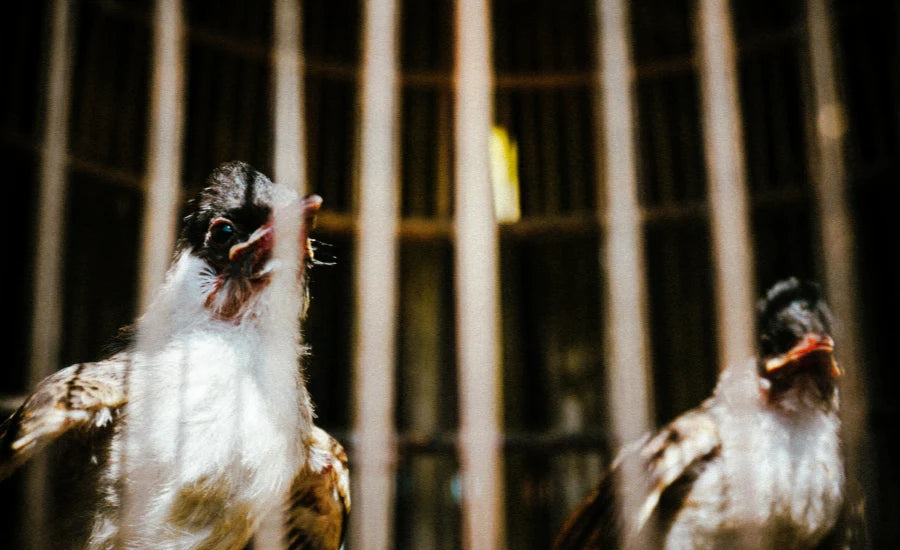
Have you ever wondered why a caged bird sings? Despite being confined, its song is powerful and free.
This intriguing behavior holds a deeper meaning that resonates with our own lives. It speaks to the universal desire for freedom and expression. You might find yourself in situations where you feel trapped or limited, yet you still have a voice yearning to be heard.
We’ll explore the reasons behind the caged bird’s song and how it can inspire you to open your own throat to sing, no matter the circumstances. Prepare to discover a powerful metaphor for resilience and hope that might just change your perspective.

Credit: www.peckperk.com
Symbolism Of The Caged Bird
The symbolism of the caged bird goes beyond a simple image of a bird trapped behind bars. It taps into deep feelings of confinement and the human spirit’s urge for freedom. Understanding this symbolism helps you see why the bird’s song becomes so powerful and meaningful.
Bird As A Metaphor For Oppression
The bird represents individuals or groups facing oppression. It’s not just about physical captivity but emotional and social limitations too.
Think about someone you know who feels stuck in a situation they can’t easily escape. The bird’s condition reflects that sense of being controlled or silenced by forces beyond their control.
The Cage Representing Restriction
The cage is more than metal bars; it stands for all restrictions holding you back. These could be laws, social norms, or personal fears.
Imagine trying to spread your wings but constantly hitting an invisible wall. That’s the cage—visible or invisible—blocking your path to freedom.
Voice As A Form Of Resistance
Despite being trapped, the bird sings. This act of singing symbolizes resistance and hope.
Your voice can be your strongest tool against restriction. Even when you feel powerless, speaking out can shake the cage and inspire change.
The Power Of Song In Confinement
The power of song in confinement reveals a deep human truth: even in the tightest spaces, the voice seeks freedom. Singing becomes more than sound; it transforms into a form of resistance and connection. When you think about the caged bird opening its throat to sing, you glimpse how expression thrives despite limits.
Expression Amidst Limits
When physical freedom is taken away, your voice can still carry your story. Singing in confinement lets you express feelings that words alone cannot capture. It’s a way to show the world you exist, even when your movements are restrained.
Think about moments when you’ve felt stuck but found a way to share your emotions—maybe through humming a tune or whispering a song. That act of expression breaks through invisible barriers.
Hope And Yearning Through Melody
Song holds the power to fuel hope and reveal yearning. Each note can remind you of a world beyond the cage, a future where freedom is possible. This hope is not passive; it drives you to endure and imagine better days.
Have you ever noticed how a simple melody can lift your spirit during tough times? That same energy helps the caged bird—and you—keep dreaming despite confinement.
Emotional Release And Survival
Singing offers a vital emotional release, helping to manage stress and pain. When trapped, your mind and body need outlets to survive, and song provides that outlet. It’s a way to process fear, frustration, and loneliness.
Consider times when singing or listening to music changed your mood instantly. That release isn’t just comfort—it’s a survival tool that keeps your spirit alive.
Freedom’s Song In Literature And Life
The image of a caged bird singing despite its confinement captures a deep human truth. It speaks to a desire for freedom that exists even in the toughest situations. This motif appears often in stories, poems, and songs, symbolizing hope and resilience. It reminds us that the spirit can remain unbroken, even when the body is trapped.
In both literature and real life, the caged bird’s song becomes a powerful symbol. It tells us about the struggle for liberty, the pain of restrictions, and the courage to keep dreaming. This theme connects with many people across cultures and time periods.
Cultural Impact Of The Caged Bird Motif
The caged bird has inspired many artists and writers. It often represents oppressed groups or individuals who face injustice. This symbol appears in different cultures, showing how universal the feeling of captivity is. Many stories use the caged bird to explore themes of hope and endurance.
Poets and authors use this motif to express pain and longing. It helps readers understand the emotional weight of confinement. The image of the caged bird singing is simple but powerful, making it easy to connect with.
Real-world Parallels To The Caged Bird
The caged bird’s struggle reflects real human experiences. People living under oppression or discrimination often feel trapped like the bird. They may not have freedom to speak or act freely. Yet, they still find ways to express themselves and resist.
This symbol also relates to personal struggles, such as mental health or social barriers. The caged bird’s song shows that even in tough times, there is a voice that wants to be heard. It gives hope to those feeling confined by circumstances.
Inspiration For Social Change
The caged bird’s song has inspired many to fight for justice. It calls attention to inequality and the need for freedom. Activists and leaders use this image to motivate others to act against unfair systems.
This symbol encourages courage and persistence. It reminds people that change is possible, even from difficult places. The caged bird’s song is a call to break barriers and seek a better future.

Credit: www.peckperk.com

Credit: www.peckperk.com
Frequently Asked Questions
Why Does The Caged Bird Sing Despite Confinement?
The caged bird sings to express hope and freedom. Singing helps it cope with captivity and asserts its identity. It symbolizes resilience and the desire for liberation, inspiring listeners through its persistent song.
What Is The Symbolic Meaning Of The Caged Bird’s Song?
The caged bird’s song symbolizes hope, struggle, and freedom. It represents the human spirit’s endurance in adversity. The song conveys longing for liberty and the courage to keep dreaming despite constraints.
How Does The Caged Bird’s Song Relate To Human Emotions?
The caged bird’s song reflects feelings of longing, sadness, and hope. It mirrors human desires for freedom and self-expression. This connection evokes empathy and illustrates emotional resilience in challenging situations.
Can The Caged Bird’s Song Inspire Readers?
Yes, the caged bird’s song inspires readers to persevere. It encourages hope and strength in hardship. The song reminds us to maintain our voice and spirit, even when facing limitations.
Conclusion
The caged bird sings to express hope and freedom inside. Singing helps the bird stay strong despite its limits. Its voice shows courage and a deep wish to be free. This song reminds us all to keep dreaming and stay brave.
Even when trapped, the spirit can still shine through. The bird’s song teaches us about hope and resilience. It inspires us to find light in dark times. A simple song holds a powerful message for everyone.