
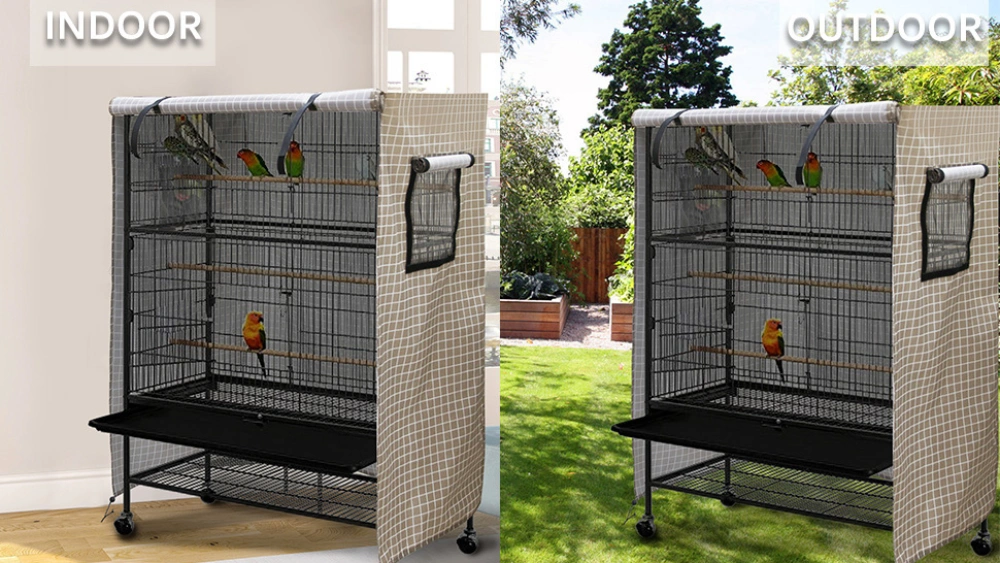
Are you tired of your feathered friend squawking at the crack of dawn? A well-made bird cage cover might be just what you need to ensure your bird gets a restful night’s sleep.
Not only does it help manage their sleep cycle, but it also adds a touch of style to your home. In this guide, you’ll discover how to create a large bird cage cover that suits your specific needs. Imagine a peaceful morning without the early morning chirps, and a bird that’s well-rested and happier.
Keep reading to learn the simple steps and tips to make this project a success. Whether you’re a DIY enthusiast or a beginner, this guide is designed to help you every step of the way.
Credit: medium.com
Materials Needed
Creating a large bird cage cover requires a careful selection of materials. The right items ensure durability, comfort for your birds, and ease of use. Gathering these materials before starting helps avoid interruptions and makes the project smooth.
Choosing The Right Fabric
Select fabric that is breathable yet thick enough to block light and drafts. Cotton and canvas are excellent choices. They are strong, easy to wash, and gentle on birds. Avoid synthetic fabrics that trap heat or cause static. Dark colors help reduce light, while lighter shades keep the cage cooler.
Essential Tools
- Measuring tape – for accurate dimensions
- Scissors or rotary cutter – to cut fabric cleanly
- Sewing machine or needle and thread – for stitching
- Pins – to hold fabric pieces together
- Iron – to press seams and fabric
Additional Supplies
- Velcro strips or snaps – for easy opening and closing
- Bias tape or hem tape – to finish edges neatly
- Fabric chalk or marker – to mark cutting lines
- Thread matching your fabric color
- Optional: waterproof lining for extra protection

Credit: www.temu.com
Measuring And Cutting
Measuring and cutting are key steps in making a large bird cage cover. Accurate measurements ensure the cover fits well and protects the cage. Cutting the fabric properly helps avoid waste and frayed edges. Careful work here saves time and materials later.
Taking Accurate Measurements
Start by measuring the bird cage’s height, width, and depth. Use a flexible tape measure for ease. Write down all measurements clearly. Add extra inches to each side for seams and ease of fitting. Double-check numbers before cutting to avoid mistakes.
Marking The Fabric
Lay the fabric flat on a clean surface. Use chalk or a fabric marker to draw lines based on your measurements. Mark seam allowances around the edges. Draw shapes for openings if needed, like doors or ventilation. Clear markings help guide your cutting and sewing.
Cutting Tips
- Use sharp fabric scissors for clean cuts.
- Cut slowly along marked lines to stay precise.
- A rotary cutter and cutting mat work well for straight edges.
- Keep fabric flat and smooth to avoid uneven cuts.
- Cut one layer at a time unless fabric is thin and stable.
Sewing And Assembly
Sewing and assembling your large bird cage cover is where your project really begins to take shape. This stage transforms your fabric pieces into a functional and protective cover that fits perfectly over the cage. Paying attention to sewing details and assembly steps ensures durability and ease of use.
Basic Sewing Techniques
Start with straight stitches to join the main panels of your cover. Use a strong thread, preferably polyester, to handle outdoor conditions and frequent handling. Make sure your stitches are even and tight to prevent fraying and to withstand the weight of the fabric when draped over the cage.
Try backstitching at the beginning and end of each seam to secure the threads. If you’re new to sewing, practice on scrap fabric to get comfortable with your machine’s speed and tension settings. Remember, neat seams not only look better but also add to the cover’s longevity.
Adding Fasteners
Fasteners keep your cover snug and easy to remove. Velcro strips are a user-friendly option—they attach quickly and allow you to adjust the fit as needed. Sew these along the edges where the cover meets the cage frame.
Alternatively, snap buttons or ties made from fabric strips add a secure closure and can give a more tailored look. Think about how often you’ll remove the cover. If it’s daily, choose fasteners that won’t slow you down but still hold the cover firmly in place.
Final Adjustments
Once the cover is assembled, drape it over your bird cage and check for fit. Look for any loose spots or areas where the cover might catch on cage parts. Trim excess fabric if necessary to avoid bulk and improve appearance.
Consider adding a hem or bias tape around the edges to prevent fraying and give a polished finish. Ask yourself: does the cover allow enough airflow while providing protection? Make tweaks until you achieve the right balance between coverage and ventilation.

Credit: www.amazon.ca
Frequently Asked Questions
What Materials Are Best For Large Bird Cage Covers?
Use breathable fabrics like cotton or mesh for large bird cage covers. These materials allow airflow, keeping birds comfortable. Avoid heavy or non-breathable fabrics that trap heat or moisture. Durable, washable materials ensure long-lasting and easy maintenance of the cover.
How Do I Measure My Bird Cage For A Cover?
Measure the cage’s length, width, and height accurately. Add a few extra inches for ease of fitting and tucking. Proper measurement ensures the cover fits well without being too tight or loose. This prevents stress for your bird and protects the cage effectively.
Can I Make A Bird Cage Cover Waterproof?
Yes, apply a waterproof spray on fabric covers to repel water. Alternatively, use waterproof materials like nylon, but ensure ventilation. Avoid fully waterproof covers that trap moisture inside. A partially waterproof cover protects birds from rain while maintaining airflow.
How Often Should I Clean A Bird Cage Cover?
Clean your bird cage cover weekly or when visibly dirty. Use mild detergent and warm water to maintain hygiene. Regular cleaning prevents bacteria build-up and keeps your bird healthy. Air dry completely before placing it back on the cage.
Conclusion
Making a large bird cage cover is easier than it seems. Choose the right materials and measure carefully. Cut and sew with patience to fit your cage perfectly. A good cover helps protect birds from drafts and bright lights. It also creates a calm, cozy space for rest.
Small steps lead to a useful and comfortable cover. Try making one yourself and see the difference it brings. Your birds will thank you with happier, peaceful days.