
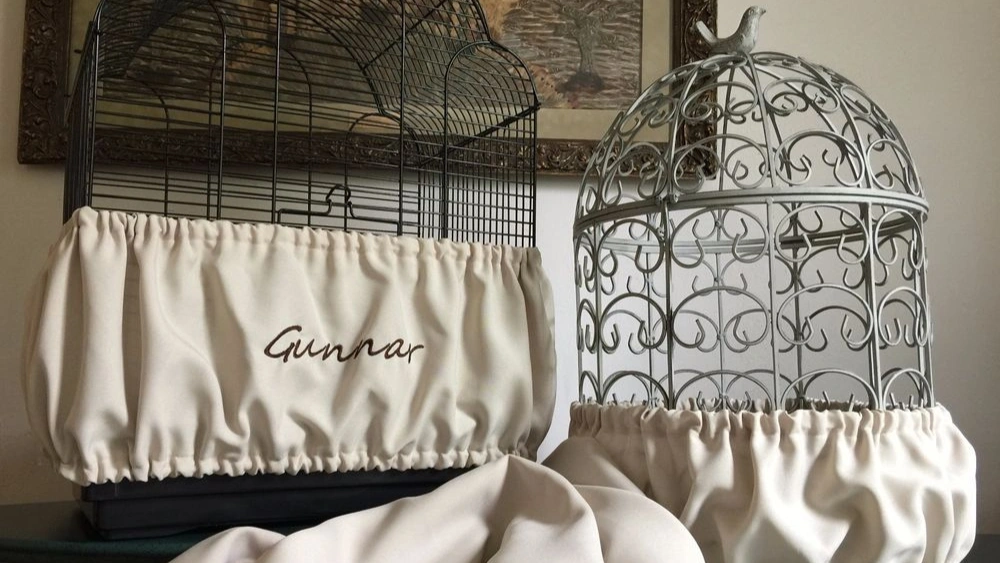
Are you tired of waking up to the early morning chatter of your feathered friends? Or perhaps you’re looking to give your birds a cozy and secure environment during the night?
Learning how to make your own bird cage cover can be the perfect solution. Not only can a custom-made cover help regulate your bird’s sleep schedule, but it can also add a personal touch to their living space. In this guide, we’ll show you how to create a bird cage cover that suits your style and meets your bird’s needs.
With some simple materials and a bit of creativity, you’ll have a practical and beautiful cover in no time. Ready to give your birds the restful nights they deserve? Let’s dive in!

Credit: www.temu.com
Materials And Tools Needed
Gathering the right materials and tools sets the foundation for a successful bird cage cover project. Choosing the correct fabric and equipment not only makes the process smoother but also ensures your bird’s comfort and safety. Think about the qualities you want in your cover—breathability, ease of cleaning, and durability.
Choosing The Right Fabric
Pick a fabric that balances protection with airflow. Cotton and lightweight canvas work great because they’re breathable yet sturdy. Avoid synthetic materials that can trap heat or cause irritation to your bird’s skin.
Have you considered how easy it will be to wash the fabric? Stains and dust accumulate quickly, so a washable material saves you time and hassle.
Essential Sewing Tools
A good sewing machine speeds up the process, but you can hand-sew if you prefer. Make sure you have sharp fabric scissors to cut clean edges without fraying. Pins or clips help hold pieces together while sewing, so don’t skip them.
Also, grab a tape measure or ruler to get precise dimensions. Accuracy here means a better fit and less frustration later.
Additional Supplies For Comfort And Safety
- Thread:Use strong polyester thread to withstand wear and tear.
- Velcro strips or ties:These make it easy to secure the cover and remove it when needed.
- Fabric marker or chalk:Mark your measurements and sewing lines clearly.
Have you thought about how you will attach the cover? Velcro or ties offer flexibility and make cleaning simpler.

Credit: www.reddit.com
Step-by-step Construction
Building your own bird cage cover is simpler than it seems. Follow clear steps to get a perfect fit and a neat look. This guide walks you through each part of the process. Prepare your materials and workspace for a smooth experience.
Measuring Your Bird Cage
Start by measuring the height, width, and depth of the cage. Use a flexible tape measure for accuracy. Note down all dimensions carefully. Add extra inches for seams and ease of covering. Measure doors and any protruding parts. This helps avoid tight or loose fitting covers.
Cutting And Sewing The Fabric
Choose a breathable, durable fabric like cotton or canvas. Lay the fabric flat on a clean surface. Mark the measurements using fabric chalk or a pencil. Cut the fabric pieces according to your marks. Use pins to hold pieces together before sewing. Sew the edges with a straight stitch for strength. Double stitch corners for extra durability. Leave openings for doors or ventilation as needed.
Adding Fasteners And Finishing Touches
Fasteners keep the cover secure and easy to remove. Use Velcro strips or snaps along the edges. Sew or glue these fasteners firmly onto the fabric. Check that all fasteners align properly. Add a hem to all raw edges to prevent fraying. Iron the cover for a smooth, professional look. Test the cover on the cage and adjust if needed. Your bird cage cover is now ready to protect and comfort your bird.
Tips For Maintenance And Safety
Maintaining your bird cage cover keeps your pet safe and healthy. Proper care extends the cover’s life and protects your bird from harm. Regular checks and cleaning help avoid dust and germs build-up. Using safe materials prevents allergic reactions or choking hazards. Follow these tips for a safe, clean environment.
Regular Cleaning And Washing
Wash the cover often with mild soap and warm water. Avoid strong detergents that can irritate your bird. Let the cover dry completely before placing it back on the cage. Clean covers reduce dust and bacteria that harm your bird’s health.
Check For Wear And Tear
Inspect the cover for holes, frays, or loose threads. Damaged covers can trap your bird’s claws or be chewed. Replace or repair any weak spots quickly. This prevents accidents and keeps your bird safe inside the cage.
Use Bird-safe Materials
Choose covers made from natural fabrics like cotton or linen. Avoid synthetic fibers that may release toxic fumes. Ensure the fabric is breathable to keep air flowing. Safe materials protect your bird from allergies and overheating.
Avoid Overcovering The Cage
Do not cover the cage too tightly or completely. Birds need some light and ventilation for comfort. Leave space for airflow to prevent overheating or suffocation. A well-covered cage creates a cozy, safe space without harm.
Store Covers Properly When Not In Use
Keep covers in a clean, dry place away from pets and dirt. Fold them neatly to avoid wrinkles and damage. Proper storage helps covers last longer and stay fresh. It also prevents mold and bad smells.

Credit: www.youtube.com
Frequently Asked Questions
What Materials Do I Need For A Bird Cage Cover?
You need breathable fabric, measuring tape, scissors, sewing kit, and Velcro or elastic bands. Choose lightweight, washable materials to ensure comfort and easy maintenance.
How Do I Measure My Bird Cage For A Cover?
Measure the cage’s height, width, and depth accurately. Add extra inches for seam allowances and ease of fitting. This ensures your cover fits snugly without restricting airflow.
Can I Use Any Fabric For A Bird Cage Cover?
Avoid heavy or non-breathable fabrics. Opt for cotton or mesh to allow ventilation and prevent overheating. Breathable fabric keeps your bird comfortable and safe inside the cage.
How Do I Secure The Cover To The Bird Cage?
Use Velcro strips or elastic bands around edges to fasten the cover securely. This method allows easy removal for cleaning and prevents the cover from slipping off.
Conclusion
Making your own bird cage cover is simple and rewarding. Choose soft, breathable fabric for comfort. Measure your cage carefully to ensure a good fit. Sew or tie the edges for durability. A handmade cover helps your bird feel safe and calm.
It also protects from drafts and bright lights. Enjoy the process and personalize the cover to your style. Your bird will appreciate the cozy space you create. Give it a try today!