
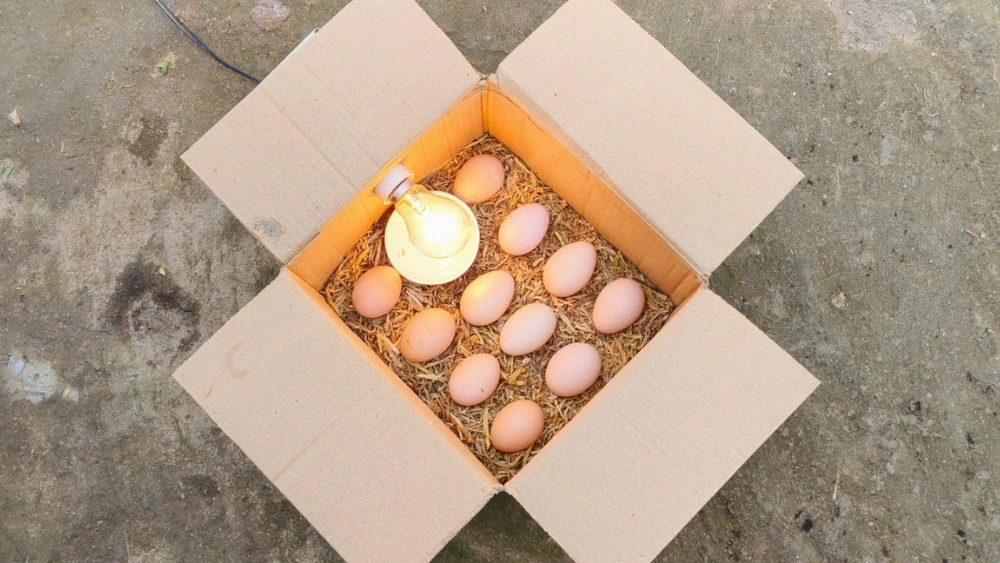
Have you ever found yourself with a bird egg that needs warmth, but no incubator in sight? Keeping a bird egg warm is crucial for its survival, and doing it the right way can make all the difference.
If you want to learn simple, effective methods that you can use right now to give that egg the best chance to hatch, you’re in the right place. You’ll discover practical tips and easy tricks to keep your bird egg cozy and safe, even without fancy equipment.
Keep reading, because your egg’s future depends on the warmth you provide!

Credit: soilssolutions.com
Choosing The Right Container
Choosing the right container is key to keeping a bird egg warm without an incubator. The container holds the egg and helps maintain a steady temperature. It acts like a small incubator by trapping heat close to the egg. The right container also protects the egg from drafts and sudden temperature changes.
Materials That Retain Heat
Good containers use materials that keep heat well. Thick plastics, ceramic, and glass are excellent choices. These materials do not cool down quickly. Foam containers also work well because they insulate heat effectively. Avoid thin metals or paper, as they lose heat fast. Using a container with a lid helps trap warmth inside.
Size And Shape Considerations
The container should be just big enough to hold the egg comfortably. A snug fit keeps the egg from rolling and losing heat. Round or oval containers follow the egg’s shape better. Too much empty space lets warm air escape. A shallow container helps keep the egg closer to the heat source. Make sure there is enough room for soft padding around the egg.
Creating A Warm Nest
Creating a warm nest is essential for keeping a bird egg safe and cozy. The right nest mimics natural conditions and keeps the egg at a steady temperature. A warm nest helps the embryo develop properly and avoids chilling. Small changes in temperature can harm the egg. Using soft, natural materials can make a big difference.
Using Natural Insulation
Natural insulation keeps heat close to the egg. Materials like dry grass, feathers, or moss work well. They trap warm air and stop cold drafts. Avoid wet or damp materials; they cause heat loss. Cotton or wool fibers are soft and warm too. Place the insulation gently around the egg to avoid pressure.
Layering For Optimal Warmth
Layering creates a cozy, balanced environment. Start with a base of thicker materials like straw or leaves. Add a middle layer of soft feathers or wool for warmth. Top the nest with fine grass or hair to protect the egg. This structure holds heat and keeps the egg steady. Check layers often to keep them dry and fluffy.
Maintaining Consistent Temperature
Keeping a bird egg warm without an incubator needs steady temperature control. Sudden drops or spikes can harm the developing embryo. Maintaining a consistent heat level mimics a mother bird’s natural warmth. This helps the egg grow healthy and strong. Small changes in temperature can cause big problems, so careful attention matters.
Monitoring Heat Levels
Use a simple thermometer to check the heat near the egg. Keep the temperature steady, around 99 to 102 degrees Fahrenheit. Check several times a day to catch any changes fast. A digital thermometer with a probe works best for accuracy. Avoid placing the thermometer too close to heat sources. This gives a more correct reading of the egg’s environment.
Adjusting For Day And Night
Temperatures usually drop at night. Warm the egg gently during cooler hours to keep it safe. Use a low-watt bulb or warm water bottle wrapped in cloth. Remove or reduce heat during the day if it gets too warm. Make small changes slowly to avoid stress on the embryo. Keep the egg in a quiet, draft-free spot for best results.

Credit: chooks.co.nz
Safe Heating Alternatives
Keeping a bird egg warm without an incubator can feel challenging, but there are safe and effective alternatives you can try. These options help maintain the right temperature and humidity, which are crucial for the egg’s development. Let’s explore some heating methods that you can set up at home, ensuring your egg stays cozy and healthy.
Using Heat Pads Or Lamps
Heat pads or heat lamps can be a great way to provide consistent warmth. Place a low-wattage heat pad under a container or nest box where the egg rests. This setup mimics the gentle warmth a mother bird provides.
Heat lamps work well if you hang them above the egg at a safe distance. Make sure the lamp is not too close to avoid hot spots. Positioning is key—you want even warmth without any risk of burning.
Monitor the temperature regularly using a thermometer. Aim for a range between 99°F and 102°F (37°C to 39°C), which is ideal for most bird eggs. Adjust the heat source if needed to maintain this balance.
Avoiding Overheating Risks
Overheating is a common danger when heating eggs outside an incubator. Too much heat can damage the embryo or cause dehydration. To prevent this, avoid placing the egg directly on heat sources.
Use a barrier like a soft cloth or nesting material to create a buffer between the egg and the heat pad or lamp. This helps distribute warmth evenly and reduces the risk of hot spots.
Check the egg frequently for signs of overheating, such as excessive dryness or cracking. Remember, maintaining steady, moderate warmth is better than fluctuating temperatures. How closely can you watch your egg throughout the day to keep conditions stable?

Credit: www.amazon.ca
Frequently Asked Questions
How Can I Keep A Bird Egg Warm Naturally?
To keep a bird egg warm naturally, use a soft cloth and a heat lamp. Maintain a consistent temperature between 99°F and 102°F. Ensure the egg is turned at least three times daily. This simulates the natural warmth and movement a parent bird would provide.
What Materials Can Help Insulate A Bird Egg?
You can use soft cloth, cotton, or fleece to insulate a bird egg. These materials help retain warmth and provide a cushion. Ensure the materials are dry and clean. Regularly check the temperature to ensure the egg remains consistently warm and safe.
Is A Heat Lamp Effective For Warming Bird Eggs?
Yes, a heat lamp is effective for warming bird eggs. Position it at a safe distance to avoid overheating. Maintain a temperature between 99°F and 102°F. Regularly monitor the temperature with a thermometer to ensure the egg is kept warm and safe.
How Often Should I Turn A Bird Egg?
Turn a bird egg at least three times a day. This helps ensure even warmth distribution and mimics natural incubation. Use clean hands or soft gloves when handling the egg. Regular turning is crucial for the egg’s healthy development.
Conclusion
Keeping a bird egg warm without an incubator takes care and attention. Use simple heat sources like warm water bottles or cloth wraps. Check the temperature often to keep it steady. Turn the egg gently to help the baby bird grow well.
Stay patient and watch for signs of life. This method works best with careful steps and steady warmth. Your effort can help a bird hatch safely at home. Small actions make a big difference in nature’s process.