
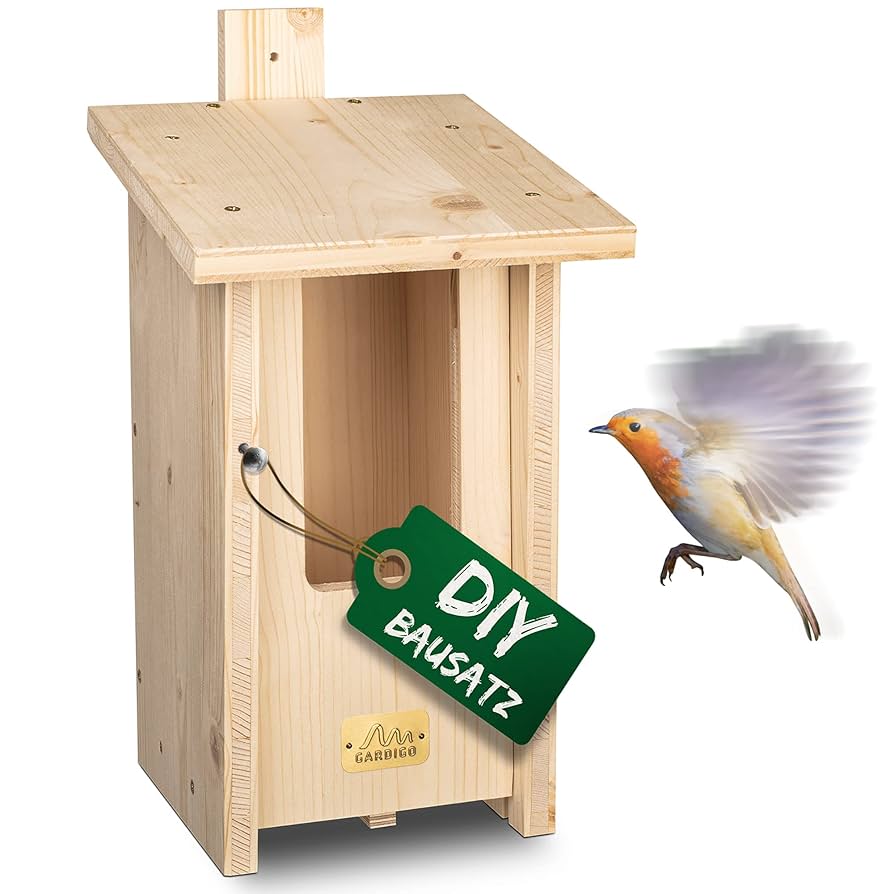
Are you struggling to find the perfect nesting material in your niche? Whether you’re building a business, creating a hobby space, or setting up a cozy corner, having the right materials can make all the difference.
You’ll discover simple, practical ways to gather the best nesting materials that suit your unique needs. By the end, you’ll feel confident and ready to create something truly special. Keep reading to unlock the secrets that many overlook but you won’t miss.
Credit: nature-niche.com
Choosing The Right Nesting Material
Choosing the right nesting material is crucial for creating a safe and comfortable environment. The material you pick affects not only the warmth and protection but also the overall health of the nest occupants. Let’s look at what materials work best and why your choice matters.
Types Of Nesting Materials
Nesting materials come in many forms, each with different textures and benefits. Common options include:
- Natural fibers:straw, hay, dried grass, leaves, and moss.
- Soft materials:feathers, cotton, wool, and shredded paper.
- Synthetic materials:polyester stuffing, foam pieces, and plastic strips.
Natural fibers tend to be breathable and biodegradable, while synthetic materials can offer durability but may trap moisture or heat. Think about what the nest inhabitants need most—warmth, cushioning, or moisture control.
Benefits Of Natural Vs Synthetic
Natural materials often provide better ventilation and avoid harmful chemicals, making them safer for birds and small animals. They also break down over time, reducing environmental impact.
Synthetic options can last longer and resist mold or mildew. However, they might cause discomfort or health issues if ingested or if they retain moisture.
Ask yourself: is longevity more important, or is creating a healthy, eco-friendly nest environment your priority?
Sourcing Eco-friendly Options
Finding eco-friendly nesting materials doesn’t have to be difficult. You can collect fallen leaves, dry grass, or moss from your backyard or local parks—just be mindful of local regulations.
Many stores sell organic cotton, untreated wool, or recycled paper designed specifically for nesting. These choices support sustainability and reduce waste.
Consider how your choices impact not just the nest, but the environment around it. Where will your materials come from, and how will they break down after use?

Credit: niche.fandom.com
Where To Find Nesting Supplies
Nesting supplies are essential for many animals and birds to create safe and comfortable homes. Finding the right materials can be simple and fun. Various sources provide good nesting materials. This guide helps you explore common places where you can gather or buy these supplies.
Local Stores And Markets
Many local stores sell natural and artificial nesting materials. Garden centers often stock straw, hay, and wood shavings. Pet shops may carry soft cotton or shredded paper. Farmers markets can be good for natural fibers like wool or dried grasses. Visiting these places lets you pick fresh and quality materials easily.
Online Retailers And Platforms
Online stores offer a wide variety of nesting supplies. Websites specialize in pet and wildlife products. You can find items like coconut fibers, moss, and fabric scraps. Shopping online provides access to rare materials not found locally. Check reviews to ensure product quality and safety.
Recycling And Upcycling Ideas
Recycling household items is a smart way to get nesting material. Old cotton clothes, torn blankets, and yarn scraps work well. Shredded paper or cardboard can also be used. Avoid materials with chemicals or sharp edges. This method helps reduce waste and provides free, safe supplies.
Preparing Nesting Material For Use
Preparing nesting material properly is key to creating a safe and comfortable environment for your birds or small animals. If you skip this step, you risk contamination or improper fit, which can stress your pets. Taking the time to clean, shape, and store materials correctly ensures they serve their purpose well and last longer.
Cleaning And Sanitizing Tips
Start by removing any dirt, dust, or debris from the nesting material. Soaking natural fibers like straw or hay in a mild bleach solution (one part bleach to ten parts water) for a few minutes helps kill bacteria and pests.
Rinse thoroughly and let the materials dry completely in the sun. Sunlight acts as a natural disinfectant and removes moisture that could lead to mold. Avoid harsh chemicals that could leave harmful residues.
Cutting And Shaping Techniques
Trim the nesting material to sizes that fit the specific nesting area. Use clean scissors or garden shears to avoid fraying or damaging the fibers.
Shape the pieces into manageable bundles or mats that provide good insulation without overcrowding the nest. Think about how your pet arranges the material naturally and try to mimic that for better comfort.
Storage Best Practices
Store your prepared nesting material in a dry, cool place away from direct sunlight. Moisture and heat can degrade the quality and encourage mold growth.
Use airtight containers or sealed plastic bags to keep pests like insects and rodents out. Label your storage containers with the date you prepared the material to keep track of freshness.
Tips For Successful Nest Building
Building a successful nest requires thoughtful planning and care. Small details can make a big difference in attracting wildlife or pets to use the nesting material you provide. Focus on creating a safe, comfortable, and accessible environment. This encourages animals to settle and feel secure.
Consider the location, upkeep, and how to invite animals to explore and use the nest. Each part plays a key role in the success of your nest building efforts.
Optimal Placement In The Niche
Choose a quiet spot, away from heavy traffic and noise. Position the nest where it receives some shade and shelter from rain or wind. Avoid open areas that expose the nest to predators or harsh weather. Height matters too; placing the nest off the ground can increase safety. Look for natural covers like bushes or trees to hide the nest.
Maintenance And Monitoring
Check the nest regularly to ensure it stays clean and intact. Remove old or soiled material to prevent mold or pests. Replace worn or damaged nesting material with fresh supplies. Avoid disturbing the nest too often to keep animals comfortable. Watching from a distance helps you notice any problems early.
Encouraging Use By Wildlife Or Pets
Offer a variety of soft, natural materials like dry grass, leaves, or pet fur. Place some nesting materials near the nest to attract attention. Minimize human scent by handling materials with gloves or using tools. Provide water nearby to support animals during nesting. Patience is key; it may take time for animals to discover and use the nest.

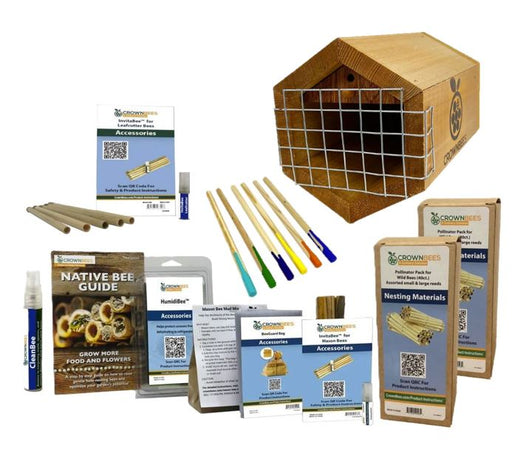
Credit: www.amazon.co.uk
Frequently Asked Questions
What Is The Best Nesting Material For Birds?
The best nesting material for birds includes natural fibers like dried grass, twigs, and leaves. Cotton and untreated wool are also ideal. Ensure the materials are clean and free from chemicals. These materials provide warmth and comfort, helping birds create a secure environment for their eggs and young.
Where Can I Find Nesting Materials?
You can find nesting materials in your backyard or garden. Collect dried leaves, grass, and small twigs. Local craft stores or online retailers also offer natural fibers like cotton or wool. Ensure the materials are safe and chemical-free to protect the birds and their nestlings.
How Do Birds Use Nesting Materials?
Birds use nesting materials to build secure, warm nests for their eggs. They weave fibers like grass, twigs, and leaves to create strong structures. These nests protect eggs from predators and weather. Proper nesting materials ensure the survival and growth of the young birds in a safe environment.
Can I Provide Artificial Nesting Materials?
Yes, you can provide artificial nesting materials like yarn or string. Choose natural fibers, such as cotton or wool, and avoid synthetic materials. Ensure they are clean and chemical-free. Offering these materials in your garden supports local bird populations by helping them build safe and secure nests.
Conclusion
Finding the right nesting material is simple with the right approach. Use natural sources like dry grass, leaves, or soft fibers. Always ensure the material is clean and safe for animals or birds. Gather materials gently to avoid harming the environment.
Small steps make a big difference in creating cozy nests. Keep trying different materials to see what works best. Your care helps wildlife build safe, warm homes. Nesting success starts with thoughtful, easy-to-find materials.