
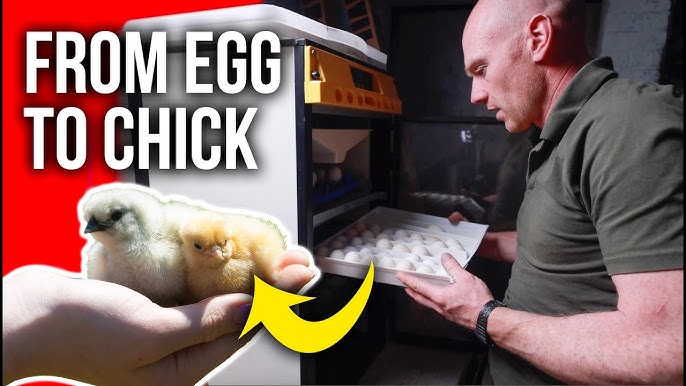
Have you ever wondered how to successfully hatch bird eggs right at home? Whether you’re a curious hobbyist or someone looking to raise your own chicks, knowing how to incubate bird eggs can make all the difference.
It’s not just about warmth—there’s a careful balance of temperature, humidity, and timing that you need to get just right. In this guide, you’ll discover simple, step-by-step tips to help you bring new life into the world. Keep reading, and you’ll learn exactly what to do to increase your chances of hatching healthy, happy birds.

Credit: www.youtube.com
Choosing The Right Eggs
Choosing the right eggs is key to successful bird incubation. The quality of eggs impacts hatching rates and chick health. You must pick eggs that have the best chance to develop well. Knowing how to select and when to collect eggs helps improve success. This section explains how to choose healthy eggs and the best timing for collection.
Selecting Healthy Eggs
Healthy eggs have a smooth, clean shell without cracks or dents. Avoid eggs with spots, discoloration, or thin shells. The shape should be regular and not too round or too pointed. Check that eggs feel firm, not too light or heavy. Gently roll the egg to see if the yolk moves freely inside. Avoid eggs that wobble or feel uneven. Choose eggs from healthy, well-fed birds for better results.
Timing For Collection
Collect eggs early in the day before the temperature rises. Eggs should be gathered within a week of laying for best freshness. Store eggs at a cool, stable temperature if incubation is delayed. Turn eggs daily to keep the embryo healthy until incubation starts. Do not wash eggs before incubation; it can remove the protective coating. Collecting eggs at the right time keeps them viable for hatching.
Setting Up The Incubator
Setting up your incubator correctly is the first crucial step to hatching healthy chicks. The environment inside the incubator must mimic natural conditions as closely as possible. This means paying close attention to temperature, humidity, ventilation, and where you place the incubator.
Temperature And Humidity Control
Maintaining the right temperature is vital. Most bird eggs need a steady temperature between 99°F and 102°F (37.2°C to 38.9°C). Even a small drop or rise can affect embryo development.
Humidity plays an equally important role. Typically, you want humidity levels around 40-50% during the first 18 days, then increase it to 65-75% for the final days before hatching. Using a hygrometer helps you monitor this easily.
Have you ever seen eggs dry out or get moldy inside the incubator? That usually means the humidity was off. Adding a small cup of water inside the incubator can help maintain the right moisture level.
Ventilation And Placement
Eggs need fresh air to develop properly, so good ventilation is a must. Your incubator should have small vents that allow air to circulate without causing temperature swings.
Where you place your incubator matters more than you might think. Keep it away from direct sunlight, drafts, or places with fluctuating temperatures, like near windows or heaters.
Think about your space: is it quiet and stable? Sudden noises or vibrations can stress the developing embryos. A calm, steady environment supports better hatching success.
Egg Care During Incubation
Proper egg care during incubation is crucial for healthy bird embryos. Eggs need a stable environment to develop correctly. Careful handling and monitoring increase the chances of successful hatching.
Turning The Eggs
Turning eggs prevents the embryo from sticking to the shell. Turn them gently at least three times daily. Marking one side with a pencil helps track turns. Avoid shaking or dropping eggs. Stop turning three days before hatching to let the chick position itself.
Monitoring Development
Check eggs regularly to ensure proper development. Use a bright light or candling device in a dark room. Look for blood vessels and embryo movement inside the egg. Remove any eggs that show no growth or cracks. Keep humidity and temperature steady to support growth.

Credit: www.youtube.com
Hatching And Post-hatch Care
Hatching is the most exciting phase of incubating bird eggs. It demands your full attention to spot the right signs and provide the best care for the newborn chicks. Proper post-hatch care ensures they grow strong and healthy from their very first moments.
Signs Of Hatching
You’ll notice subtle cracks appearing on the eggshell, called pipping. This means the chick inside is actively breaking through. Sometimes, you might hear faint peeping sounds, signaling the chick is ready to emerge.
Watch for increased movement inside the egg and tiny holes forming near the top. Avoid opening the incubator frequently, as stable temperature and humidity are critical now. Are you prepared to act quickly if a chick struggles to hatch?
Caring For Newborn Chicks
Once hatched, chicks need warmth immediately. Provide a brooder with a heat source set around 95°F (35°C), decreasing the temperature gradually each week. Keep the bedding clean and dry to prevent infections.
Offer your chicks fresh water and chick starter feed within 24 hours. Never force-feed them; they instinctively know how to eat and drink. Keep an eye on their behavior—active, alert chicks usually mean they’re healthy.
Remember, gentle handling helps chicks get used to you. This early interaction can make a big difference in their growth and trust toward humans. How will you create a safe, nurturing environment for your new flock?

Credit: misfitgardening.com
Frequently Asked Questions
How Long Does It Take To Incubate Bird Eggs?
The incubation period for bird eggs varies by species. Generally, it takes 10 to 30 days. Ducks and chickens usually take around 21 days. Larger birds, like parrots, may require up to 30 days. It’s crucial to maintain proper temperature and humidity for successful hatching.
What Temperature Is Ideal For Egg Incubation?
The ideal incubation temperature for most bird eggs is around 99 to 102 degrees Fahrenheit. Consistent temperature is critical to successful hatching. Use a reliable incubator to maintain this temperature. Temperature fluctuations can harm the developing embryos, so regular monitoring is essential.
How Do You Maintain Humidity In An Incubator?
To maintain humidity, fill the incubator’s water trays and monitor levels regularly. Aim for 50-65% humidity during incubation and 70-75% during hatching. Use a hygrometer to check humidity levels. Adjust the water volume based on the hygrometer readings to ensure optimal conditions.
When Should Eggs Be Turned During Incubation?
Eggs should be turned several times a day until the last three days. This prevents the embryo from sticking to the shell. Use clean hands or an automatic turner for this task. Stop turning three days before hatching to allow the chick to position itself correctly.
Conclusion
Incubating bird eggs takes patience and care. Keep the temperature steady and check humidity often. Turn the eggs gently each day to help the chicks grow well. Watch for signs of hatching as the days pass. Stay calm and attentive through the process.
With practice, you can raise healthy baby birds. Enjoy the experience and learn from each attempt. Every egg is a new chance to succeed.