
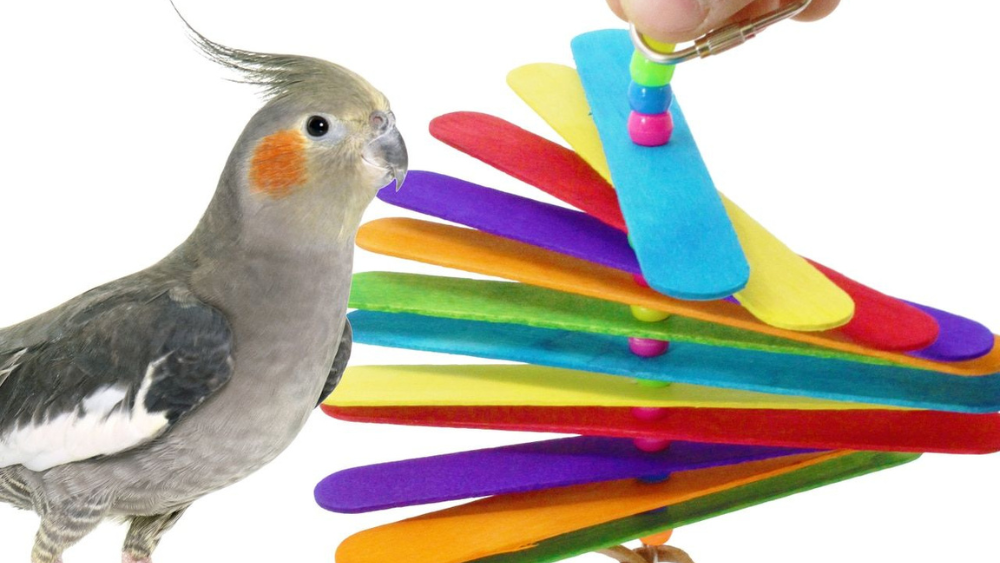
Are you excited to bring new toys into your bird’s life but unsure how to introduce them? Your feathered friend’s happiness and curiosity depend on how you present these new treasures.
If you want your bird to explore and enjoy its new toys without fear or stress, you need the right approach. Keep reading to discover simple, effective tips that will make your bird eager to play and keep your bond stronger than ever.

Credit: squawkboxes.com
Choosing The Right Toys
Choosing the right toys is key to keeping birds happy and healthy. Birds need toys that suit their size, beak strength, and natural behavior. The right toy can prevent boredom and encourage activity. Pick toys with care to ensure safety and fun.
Safe Materials For Birds
Birds often chew and swallow parts of toys. Choose toys made from non-toxic materials. Avoid metals like zinc or lead. Wood, paper, and natural fibers are good choices. Clean plastic can be safe if it is sturdy and free of harmful chemicals. Always check labels for bird-safe certifications.
Toys That Match Bird Species
Different birds have different needs. Small birds like finches enjoy lightweight toys. Larger birds like parrots need strong, durable toys. Some birds love to shred paper or chew wood. Others prefer climbing or swinging toys. Match the toy to your bird’s size and natural instincts.
Avoiding Overstimulating Options
Too many bright colors or loud noises can stress birds. Pick toys with simple shapes and soothing colors. Avoid toys with bells or noisy parts if your bird is shy. Give your bird time to explore new toys slowly. Keep a balance between excitement and calm.
Preparing Your Bird For New Toys
Introducing new toys to your bird needs careful preparation. Birds can feel unsure about new objects. Preparing your bird helps reduce stress and increases curiosity. A calm and patient approach works best. Watch your bird’s reactions and give time to adjust.
Creating A Calm Environment
Start by making the area quiet and peaceful. Turn off loud noises and avoid sudden movements. Keep other pets away. Soft lighting helps your bird feel safe. A calm environment makes your bird open to exploring new toys.
Observing Bird Behavior
Watch how your bird acts near the new toy. Look for signs of curiosity like pecking or moving closer. Notice any fear signs such as flapping wings or hiding. Understanding these behaviors guides your next steps. Always respect your bird’s comfort level.
Gradual Exposure Techniques
Let your bird see the toy from a distance first. Slowly move the toy closer over days. Allow your bird to touch the toy with a claw or beak. Praise and reward your bird for calm behavior. Small, steady steps help build trust and interest.
Introducing Toys Effectively
Introducing new toys to your bird can be a delicate process. It’s important to make this experience positive and stress-free, so your feathered friend feels curious rather than threatened. Effective introduction helps your bird build trust and enjoy playtime with fresh enthusiasm.
Timing The Introduction
Pick a calm moment when your bird is relaxed but alert. Avoid introducing toys right after a stressful event or during mealtime. Birds are more open to new things when they feel safe and comfortable.
Try introducing the toy during your usual play or bonding time. This makes the new item part of a positive routine, not a surprise. Have you noticed how your bird’s mood shifts when something unexpected pops up?
Using Positive Reinforcement
Reward your bird immediately when it shows interest in the new toy. Use treats, gentle praise, or affection to link the toy with good feelings. This encourages your bird to approach the toy again.
Keep the rewards consistent but don’t overwhelm your bird with too many treats. Small, frequent rewards work best to build positive associations. What treats does your bird respond to the most?
Encouraging Exploration
Let your bird explore the toy at its own pace. Place the toy within easy reach but don’t force interaction. Birds appreciate the freedom to investigate without pressure.
Rotate toys regularly to keep your bird’s environment stimulating. Changing the type or texture of toys sparks curiosity and prevents boredom. Have you tried observing your bird’s favorite toy features to choose new ones?
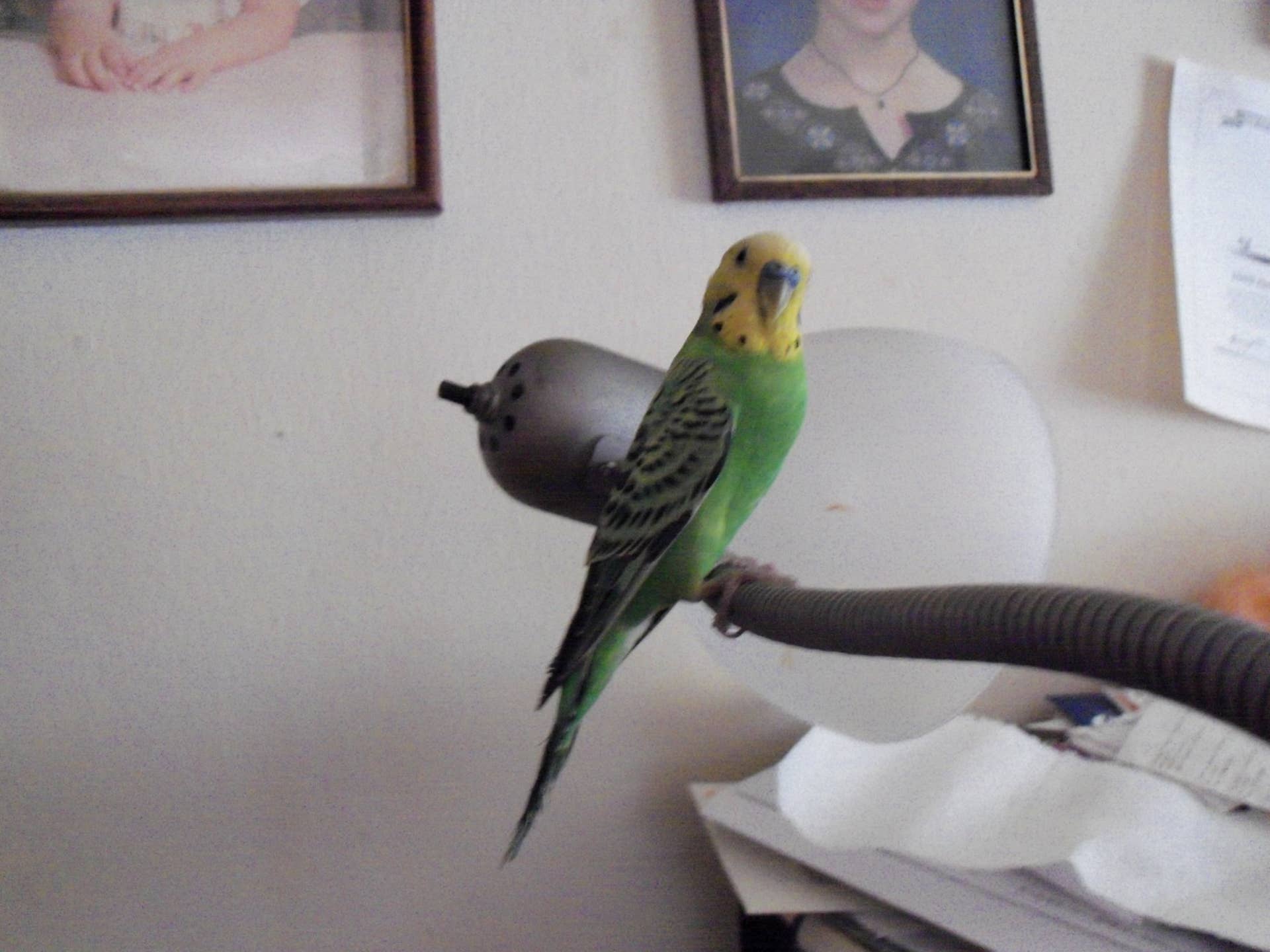
Credit: pethelpful.com
Monitoring And Adjusting Playtime
Introducing new toys to your bird can be exciting, but it requires careful monitoring and adjustment to ensure your feathered friend enjoys playtime without feeling overwhelmed. Watching how your bird interacts with new toys helps you understand their preferences and comfort levels. Adjusting playtime based on these observations keeps play safe, stimulating, and fun.
Recognizing Signs Of Stress
Birds can’t tell you when they’re uncomfortable, so watch their body language closely. Signs of stress include fluffed feathers, frantic movements, refusal to approach the toy, or excessive vocalizations. If you notice these, it’s time to pause and give your bird a break or remove the toy.
Think about your own experience with your bird. Have you ever introduced a toy that seemed perfect but ended up making your bird anxious? Noticing these subtle cues early can prevent negative associations and keep playtime positive.
Rotating Toys For Interest
Birds quickly get bored with the same toys, so rotating them keeps things fresh and exciting. Swap out toys every few days or weeks to maintain your bird’s curiosity and engagement. This also helps you see which types of toys your bird prefers.
- Keep a small stash of different toys handy.
- Introduce one new toy at a time to avoid overwhelming your bird.
- Observe which toys your bird spends the most time with.
Does your bird show more enthusiasm for puzzle toys or simple swings? Rotating toys gives you clues to tailor playtime that fits your bird’s unique personality.
Maintaining Toy Cleanliness
Toys can harbor dirt and bacteria that may harm your bird’s health. Clean toys regularly using bird-safe cleaning solutions or warm soapy water. Dry them thoroughly before returning them to the cage to prevent mold growth.
Keeping toys clean not only protects your bird but also encourages them to play more. A fresh-smelling, spotless toy is far more inviting than one that’s grimy or sticky.

Credit: www.northernparrots.com
Frequently Asked Questions
How Do I Choose The Right Toys For My Bird?
Select toys that match your bird’s size and species. Look for toys that encourage mental and physical activity. Ensure they are made of bird-safe materials. Rotate toys regularly to keep your bird engaged and prevent boredom. Always observe your bird’s interaction with new toys for safety.
What Are The Signs My Bird Likes A New Toy?
If your bird interacts with the toy, it’s a positive sign. They may play, chew, or explore it. Observing vocalizations or excitement around the toy also indicates interest. Monitor their behavior to ensure they are comfortable. A lack of interest might mean trying a different toy type.
How Long Should I Leave A New Toy With My Bird?
Introduce new toys gradually and observe your bird’s reaction. Leave the toy for a few hours initially. If the bird shows interest, increase the time. Regularly rotating toys keeps your bird engaged. However, ensure the bird doesn’t become overwhelmed with too many toys at once.
Can New Toys Reduce My Bird’s Stress?
Yes, new toys can help reduce stress by providing mental stimulation. Engaging toys can distract from stressors and promote positive behavior. Ensure the toys are safe and appropriate for your bird’s size. A variety of toys can help alleviate boredom and anxiety, promoting overall well-being.
Conclusion
Introducing new toys to birds takes patience and care. Start slow, let them explore at their own pace. Watch their reactions and keep toys safe. Changing toys often keeps birds interested and happy. Remember, every bird is different and learns in its own way.
Enjoy the process and build trust with your feathered friend. This helps create a fun and loving environment for both of you.