

Is your concrete bird bath looking dirty or covered in stubborn mold? Mold not only spoils the beauty of your garden but can also harm the birds visiting your bath.
You might be wondering how to clean it safely and effectively without damaging the concrete. You’ll discover simple, proven steps to get your bird bath sparkling clean again. By following these easy tips, you’ll protect your feathered friends and keep your outdoor space inviting.
Keep reading to learn exactly how you can tackle mold on your concrete bird bath today!
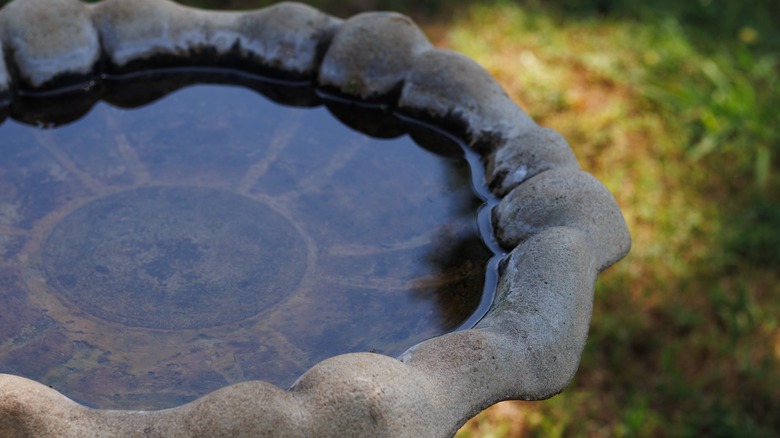
Credit: www.hunker.com
Causes Of Mold In Bird Baths
Mold often appears on concrete bird baths due to several key reasons. Understanding these causes helps prevent mold growth and keeps bird baths clean. Mold thrives in damp, shaded, and nutrient-rich environments. Concrete’s porous nature allows moisture to settle, creating an ideal place for mold to grow.
Why Mold Grows On Concrete
Concrete is rough and porous, absorbing water easily. This trapped moisture feeds mold spores and supports their growth. Bird baths hold water, keeping concrete damp for long periods. Warm temperatures speed up mold development on these surfaces. Dirt and organic debris in the water provide extra nutrients for mold. These factors combined create a perfect environment for mold on concrete bird baths.
Environmental Factors
Shade and poor air circulation increase mold growth risks. Bird baths placed under trees or near bushes get less sunlight. Sunlight helps dry the surface and kills mold spores. High humidity levels in the air keep the bird bath moist. Rain and frequent watering add to the moisture problem. Wildlife and plants also contribute organic material, encouraging mold growth. These environmental elements make mold a common issue on outdoor bird baths.
Credit: www.housedigest.com
Preparing Your Bird Bath For Cleaning
Preparing your concrete bird bath for cleaning is a vital first step. It ensures the process goes smoothly and safely. Proper preparation removes loose dirt and makes the mold easier to clean.
Start by emptying the bird bath completely. This step clears out water and debris. It also prevents mess during cleaning. Removing all loose particles helps the cleaning solution reach the mold effectively.
Emptying And Removing Debris
Pour out all water from the bird bath. Use your hands or a small net to scoop out leaves, twigs, and dirt. Rinse the basin with a gentle stream of water to wash away smaller particles. Clear away anything stuck in crevices or corners. Drying the surface slightly helps the cleaning agents work better.
Gathering Cleaning Supplies
Collect all necessary materials before starting. You will need:
- A stiff brush or scrub brush
- Protective gloves
- A bucket for mixing cleaning solution
- White vinegar or mild bleach solution
- Water for rinsing
- Old towels or rags for drying
Wearing gloves protects your skin from harsh cleaners. Choose a brush with firm bristles to remove mold without damaging concrete. Having everything ready saves time and keeps the process organized.
Effective Cleaning Methods
Cleaning mold from a concrete bird bath requires methods that are both effective and safe for the environment around your feathered friends. You want to remove the mold without damaging the concrete or leaving harmful residues. Below are practical cleaning techniques that you can apply using common household items, ensuring your bird bath stays fresh and inviting.
Using Vinegar And Baking Soda
White vinegar is a natural mold killer. Pour vinegar directly onto the moldy areas and let it sit for about 30 minutes. This gives the acid time to break down the mold’s structure.
After soaking, sprinkle baking soda over the surface. The combination creates a gentle scrubbing effect that helps lift mold stains without harsh chemicals. Rinse thoroughly with water to remove all residues, and your bird bath should look much cleaner.
Applying Bleach Solutions Safely
Bleach is powerful but must be handled with care, especially around wildlife. Mix one part bleach with nine parts water in a well-ventilated area. Use gloves to protect your skin and avoid splashing.
Apply the solution to the moldy spots and let it sit for 10-15 minutes. Scrub gently and rinse multiple times to ensure no bleach remains. Do you feel confident using bleach safely around your garden? If not, vinegar and baking soda might be a better option.
Scrubbing Techniques
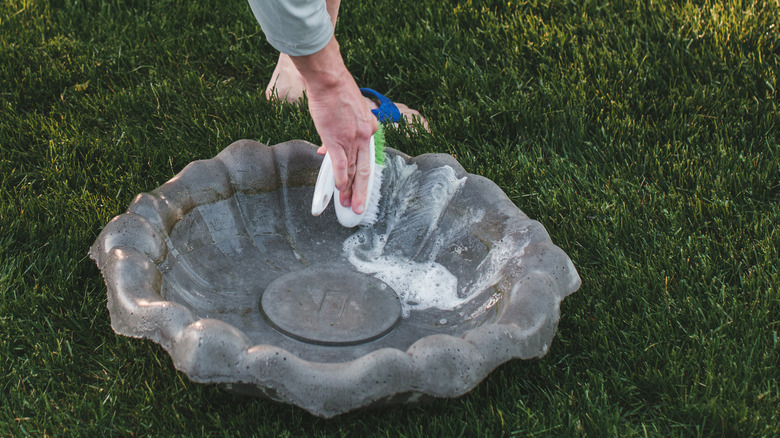
Scrubbing is key to removing mold from porous concrete. Use a stiff-bristled brush to reach into cracks and crevices where mold hides. Avoid wire brushes that can damage the surface.
Work in circular motions and apply moderate pressure to dislodge stubborn mold. After scrubbing, always rinse with clean water. Have you noticed how consistent scrubbing can make a big difference in your cleaning results?
Preventing Future Mold Growth
Preventing mold from returning to your concrete bird bath takes more than just a one-time cleaning. You need to adopt habits and environmental changes that stop mold spores from settling and growing. Let’s look at practical ways to keep your bird bath fresh and mold-free for longer.
Regular Maintenance Tips
Cleaning your bird bath regularly makes a huge difference. Try to empty and scrub it at least once a week using a brush and mild detergent. This stops algae and mold spores from gaining a foothold.
Don’t forget to rinse thoroughly to remove soap residue, which can attract dirt and encourage mold growth. You might notice that after a heavy rain, debris settles faster—remove leaves and dirt promptly to prevent mold.
Have you tried using a small amount of white vinegar in the water? It’s a natural way to keep mold at bay without harming birds.
Improving Drainage And Sun Exposure
Water that sits stagnant invites mold. Make sure your bird bath drains well or is refilled often to keep water fresh. If your bath doesn’t have drainage holes, consider drilling a few small ones to prevent water from pooling too long.
Sunlight is a natural mold deterrent. Place your bird bath in a spot where it gets plenty of direct sun throughout the day. This not only helps dry out the water quickly but also limits mold growth by reducing moisture.
If your garden is mostly shaded, think about trimming back nearby plants or relocating the bird bath. Have you noticed less mold growth in sunnier spots?

Credit: www.dukemanorfarm.com
Frequently Asked Questions
How Do You Remove Mold From Concrete Bird Baths?
To remove mold from a concrete bird bath, mix equal parts of water and white vinegar. Scrub the surface with a brush, focusing on moldy areas. Rinse thoroughly with water and let it dry completely. Regular cleaning helps prevent mold growth.
Can Vinegar Damage Concrete Bird Baths?
No, vinegar is safe for cleaning concrete bird baths. It effectively removes mold without causing damage. Its natural acidity breaks down mold, leaving the surface clean. Always rinse well with water after cleaning to ensure no vinegar residue remains.
How Often Should You Clean A Bird Bath?
Clean your bird bath every one to two weeks. Regular cleaning prevents mold and algae growth. During warmer months, increase cleaning frequency to ensure a healthy environment for birds. Consistent maintenance keeps the bird bath inviting and safe for wildlife.
What Tools Are Needed To Clean A Bird Bath?
You need a scrub brush, bucket, white vinegar, and water. Use the brush to scrub away mold. Mix vinegar and water for a natural cleaning solution. Ensure thorough rinsing to remove any cleaning solution residue, keeping the bird bath safe for birds.
Conclusion
Cleaning mold from your concrete bird bath keeps it safe and attractive. Regular cleaning stops mold from growing back quickly. Use gentle scrubbing and natural cleaners for best results. Always rinse well to protect birds and plants. A clean bird bath invites more birds to visit.
Simple steps make a big difference in your garden. Keep your bird bath fresh for a happy outdoor space.