
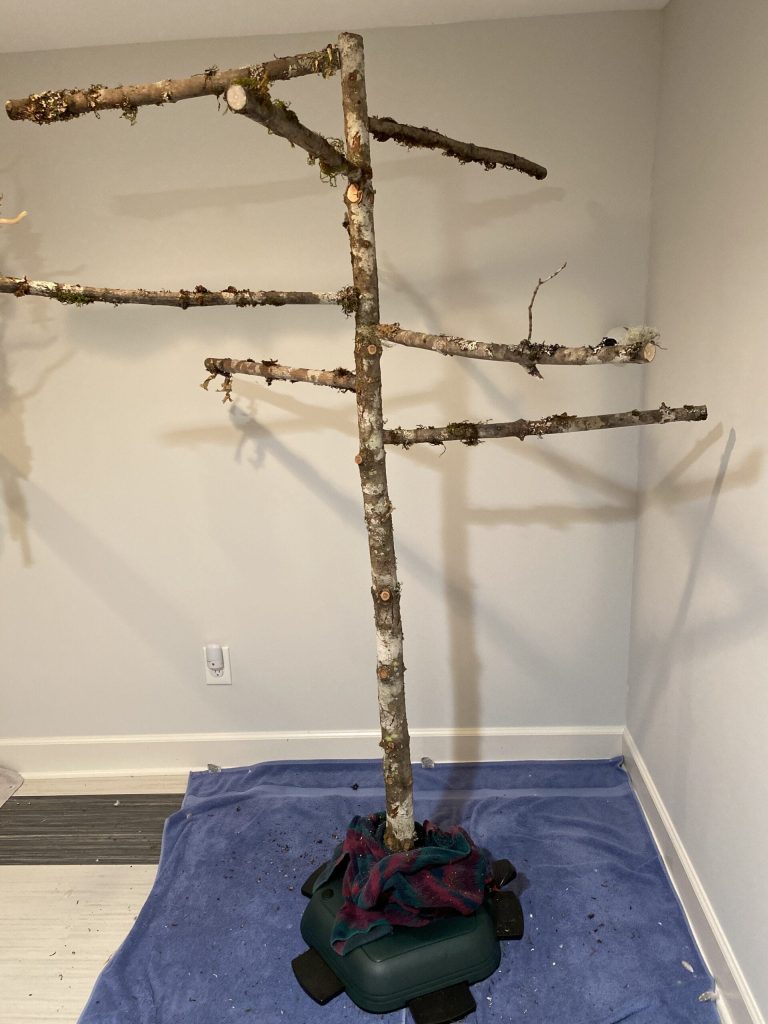
Are you looking to create a cozy spot for your feathered friends to rest and play? Making a bird perch stand is easier than you think, and it’s a fun way to keep your birds happy and active.
Whether you have a small parakeet or a larger bird, a well-made perch can improve their comfort and health. In this guide, you’ll discover simple steps to build your own bird perch stand using basic materials. By the end, you’ll have a sturdy, attractive perch that your birds will love.
Ready to get started? Let’s dive in!
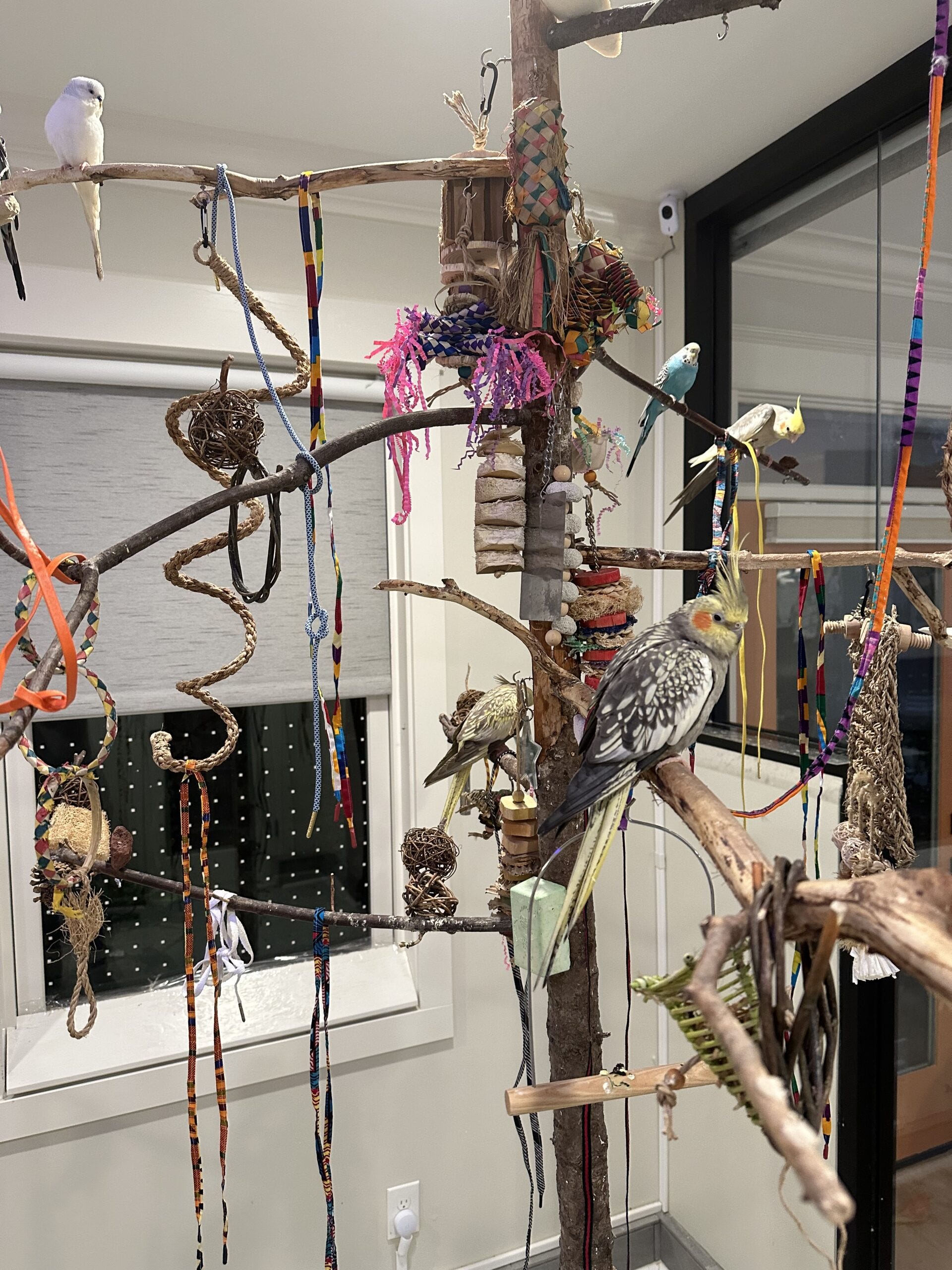
Credit: freerangeparrots.org
Choosing The Right Materials
Choosing the right materials for your bird perch stand is essential for creating a safe and comfortable spot for your feathered friend. The materials you pick will affect the durability, appearance, and most importantly, the safety of the perch. Think about what kind of bird you have and how much weight the stand needs to support before making your choices.
Wood Types And Sizes
Wood is the most popular material for bird perch stands. It’s natural, sturdy, and bird-friendly. But not all woods are equal when it comes to safety and durability.
- Hardwoods:Maple, oak, and birch are tough and resist splintering. These woods last longer and provide a strong base.
- Softwoods:Pine and cedar are easier to work with but can be softer and more prone to scratches or bites.
- Avoid treated or painted wood:Chemicals can be toxic to birds if ingested. Always use untreated, natural wood.
Size matters too. The perch diameter should match your bird’s foot size. Smaller birds need thinner perches around ¾ inch, while larger birds may require 1 to 2-inch diameters. This helps prevent foot problems and ensures comfort.
Tools You’ll Need
Having the right tools makes building your bird perch stand easier and safer. You don’t need fancy equipment, just some basic tools that you might already have around the house.
- Hand saw or power saw:For cutting wood to the right size.
- Sandpaper or sanding block:To smooth edges and avoid splinters that could hurt your bird.
- Drill and screws:For securely attaching different parts of the stand.
- Measuring tape and pencil:To mark precise measurements for cuts and placements.
- Wood glue (optional):Adds extra strength to joints.
Have you ever tried to build something without the right tools? It slows you down and can lead to mistakes. Taking a moment to gather these essentials will save you frustration and make the project more enjoyable.

Credit: lilblusbirdboutique.com
Designing Your Bird Perch Stand
Designing your bird perch stand shapes how your bird will use and enjoy it. The design must fit your bird’s size and habits. Careful planning helps create a safe and comfortable space. Think about the perch’s size and how stable it will be. A well-designed perch stand invites your bird to play, rest, and explore.
Determining Height And Width
Choose a height that matches your bird’s natural perching level. Small birds prefer lower perches, while larger birds enjoy higher ones. The width of the perch should allow your bird to grip easily. Too wide or too narrow can cause discomfort. Measure the bird’s foot size to pick the right diameter. Aim for a balance between comfort and support.
Adding Features For Stability
Stability keeps the perch safe during use. Use a wide base to prevent tipping over. Add rubber pads or non-slip materials under the base. This stops the perch from sliding on smooth floors. Secure joints tightly with screws or strong glue. Consider weight distribution so the perch stands firm. Stability means your bird can move freely without risk.
Step-by-step Assembly Guide
Building a bird perch stand is a simple and fun project. A clear assembly guide helps you create a safe and sturdy perch. Follow each stage carefully to get the best results.
Cutting And Preparing Parts
Start by gathering your materials. Use smooth wooden dowels or branches for the perch. Cut all parts to the right size using a saw. Sand edges to remove splinters and sharp spots. This keeps the perch safe for birds.
- Measure the length of each part carefully.
- Cut the base, vertical support, and perch bars.
- Sand every piece until smooth.
Preparing parts well makes assembly easier and safer.
Joining Components Securely
Secure the parts to build a strong stand. Use wood glue and screws for best hold. Attach the vertical support to the base firmly. Fix the perch bars at different heights for variety. Check each joint to ensure it is tight and stable.
- Apply wood glue to joining surfaces.
- Use clamps to hold parts while drying.
- Drive screws carefully to avoid splitting wood.
Strong joints keep the perch stable and safe for birds.

Credit: www.reddit.com
Finishing Touches And Safety Tips
Finishing touches and safety are key for a great bird perch stand. These steps make the stand smooth, durable, and safe. Birds need a comfortable place to sit without risk of harm.
Sanding And Painting
Start by sanding all surfaces to remove splinters and rough edges. Use fine-grit sandpaper for a smooth finish. Pay close attention to corners and joints.
Choose non-toxic, bird-safe paint or wood sealant. Avoid strong odors and harmful chemicals. Apply thin coats and let each dry fully before adding another. This protects the wood and brightens the perch stand.
Ensuring Bird Safety
Check for small gaps or sharp points. Birds can hurt their feet or get stuck. Tighten all screws and bolts to avoid loose parts.
Use natural materials like untreated wood or safe ropes. Avoid metal parts that can heat up or cause injuries. Place the perch stand in a stable spot to prevent tipping.
- Inspect the stand regularly for wear and damage.
- Clean the perch often to keep it hygienic.
- Remove any peeling paint or splintered wood immediately.
Safe finishes and careful assembly create a happy, healthy space for your birds.
Frequently Asked Questions
What Materials Are Needed To Make A Bird Perch Stand?
You need wood, sandpaper, screws, drill, and bird-safe paint. Choose sturdy, non-toxic wood like pine or oak. These materials ensure a safe, durable perch stand for your birds.
How Do I Choose The Right Size For A Bird Perch?
Select a perch diameter suited to your bird’s feet size. Small birds need ½ inch, larger birds need 1 inch diameter perches. This helps birds grip comfortably and stay healthy.
How Can I Ensure The Perch Stand Is Stable?
Use a wide, heavy base to prevent tipping. Secure the stand with screws and check balance regularly. Stability keeps your bird safe during play and rest.
Is It Necessary To Treat The Wood For Bird Safety?
Yes, sand the wood smooth to avoid splinters. Use non-toxic, bird-safe sealants or paints to protect the wood. This prevents harm and extends perch stand life.
Conclusion
Creating a bird perch stand is simple and rewarding. With basic tools, you can craft a sturdy perch. Your bird will enjoy a new place to rest and play. Remember to choose safe, non-toxic materials. Keep the stand stable and secure.
Regularly check for any wear or damage. This ensures your bird’s safety and happiness. A well-made perch can improve your bird’s quality of life. Enjoy watching your feathered friend explore its new perch. It’s a fun project for bird lovers.
Happy crafting!