

If you love watching birds visit your garden, you know how important it is to keep their water fresh—even in freezing weather. But when cold temperatures hit, your bird bath can quickly turn into a solid block of ice.
That means no water for your feathered friends and a missed chance to enjoy their lively visits. Don’t worry—you can easily stop water from freezing in your bird bath and keep it inviting all winter long. You’ll discover simple, practical ways to make sure your birds always have a fresh drink, no matter how cold it gets outside.
Keep reading to learn how to protect your bird bath and support the wildlife you care about.
Choose The Right Bird Bath
Choosing the right bird bath can make a huge difference in keeping water from freezing during cold weather. The material and design you pick affect how well the bath retains heat and stays usable for your feathered friends. Let’s look at which options work best and why.
Material Matters
Some materials hold heat better than others. Plastic bird baths are lightweight and don’t freeze as quickly as metal ones, but they might crack in extreme cold. Ceramic and stone tend to retain cold longer, making them less ideal in freezing temperatures.
I once used a metal bird bath, and it froze solid overnight. Switching to a thick plastic model made a noticeable difference—water stayed liquid longer without any extra effort.
- Plastic:Lightweight, less likely to freeze fast, but can crack if too brittle.
- Metal:Conducts cold quickly, water freezes faster, not recommended for freezing climates.
- Ceramic/Stone:Heavy and sturdy, but holds cold, leading to quicker freezing.
- Heated Options:Consider bird baths with built-in heaters if budget allows.
Size And Shape Tips
Smaller bird baths freeze faster because there’s less water to retain warmth. A wider, shallower basin exposes more water to cold air, which speeds up freezing. Choosing a deeper or more compact design helps keep water liquid longer.
Birds also prefer shallow water for drinking and bathing. You can balance this by selecting a bath with a smaller surface area but enough depth to hold water without freezing quickly.
- Choose a bath that holds enough water but isn’t too shallow.
- Look for designs with rounded edges to reduce heat loss.
- Consider placing the bath in a sunny spot to naturally warm the water.
Have you noticed how your bird bath design impacts the birds’ visit during winter? Choosing the right material and shape can keep your feathered visitors happy and hydrated even in freezing weather.

Credit: www.poposoapsolar.com
Use Heating Solutions
Keeping your bird bath water from freezing during cold months is essential for the birds that visit your garden. Using heating solutions is one of the most reliable ways to ensure the water stays liquid and inviting. These options range from ready-made heated bird baths to simple DIY tricks you can try at home.
Heated Bird Bath Options
Heated bird baths come with built-in heating elements that keep the water above freezing. These products are designed to be safe for birds and energy-efficient for your home. Many models feature thermostats that turn the heater on only when temperatures drop to freezing, helping you save electricity.
Some heated bird baths plug directly into an outdoor outlet, while others use solar power. Solar-powered options are eco-friendly and cost-effective, but they may not work as well in areas with limited sunlight during winter. Consider your local climate when choosing the right heated bird bath for your yard.
Diy Heating Methods
If you prefer a hands-on approach, there are simple ways to keep your bird bath water from freezing using items you might already have. One popular trick is to place a floating ball or cork in the water. These objects keep the surface moving slightly, which helps prevent ice formation.
Another DIY method is to use a string of outdoor-safe Christmas lights wrapped around the bird bath basin. These lights emit just enough warmth to keep the water from freezing without harming the birds. Just make sure to use lights rated for outdoor use and keep cords safely away from where animals can chew.
Have you tried any of these heating ideas before? Sometimes the simplest solutions make the biggest difference in helping your feathered friends stay hydrated all winter long.
Insulate Your Bird Bath
Insulating your bird bath helps keep water from freezing during cold months. It creates a barrier against the cold air and preserves warmth. This simple step ensures birds always find fresh water.
Natural Insulation Ideas
Use natural materials around the bird bath to trap heat. Straw, dry leaves, or pine needles work well. Place a thick layer around the base to block cold air. These materials are safe and easy to replace.
Another idea is wrapping the bird bath’s stand with burlap or old cloth. It adds extra warmth and looks natural. Avoid plastic covers as they can trap moisture and freeze faster.
Placement For Warmth
Place the bird bath in a sunny spot during the day. Sunlight helps keep the water warmer naturally. Avoid shaded or windy areas that cool the water quickly.
Position the bath near walls or fences. These structures block cold winds and reflect heat. Even small changes in placement can make a big difference.
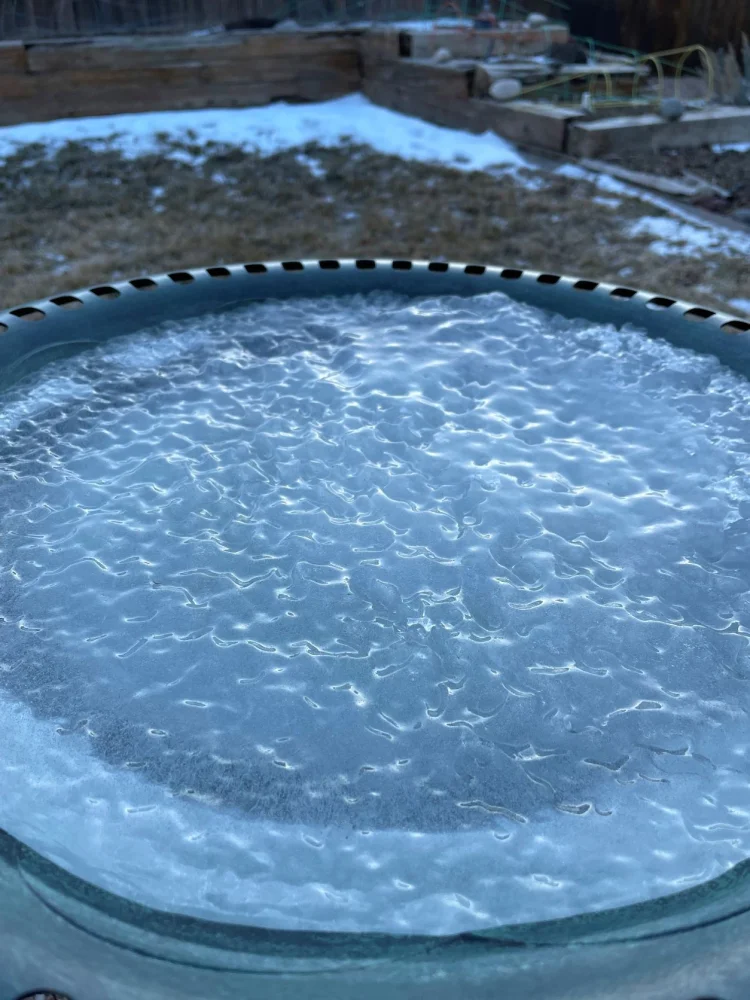
Credit: fyfluiddynamics.com
Maintain Water Regularly
Maintaining water regularly in your bird bath helps keep it from freezing. Cold weather causes water to freeze quickly. Changing the water often prevents ice buildup. Fresh water also attracts more birds. A steady water supply ensures birds stay hydrated.
Frequent Refilling
Refill the bird bath daily or every few days. This keeps the water fresh and stops ice from forming. Empty the bath before refilling to remove any ice or dirt. Use warm water to slow freezing. Avoid very hot water to protect the bird bath material.
Adding Safe Additives
Adding safe additives can lower the freezing point of water. Use a small amount of salt or sugar as a natural solution. Only a tiny pinch is needed to avoid harm to birds. Another option is adding a few drops of vegetable oil. This helps reduce ice by creating a thin surface layer. Always choose bird-safe additives to protect wildlife health.

Credit: www.amazon.co.uk
Frequently Asked Questions
How Can I Prevent Bird Bath Water From Freezing?
To prevent freezing, use a bird bath heater or de-icer. These devices maintain water temperature above freezing. Insulating the bird bath with materials like burlap can also help. Regularly adding warm water is another effective method to keep the water liquid.
Do Bird Bath Heaters Harm Birds?
Bird bath heaters are safe for birds. They use low voltage to gently warm the water. Always ensure the heater is designed for outdoor use and is fully submerged. This prevents any risk to birds while keeping the water from freezing.
Can I Use Salt To Stop Water Freezing?
Avoid using salt to prevent freezing in bird baths. Salt can harm birds and damage the bird bath. Instead, use safe alternatives like heaters or change the water regularly. These methods are effective without posing risks to the birds.
Are Solar Bird Bath Heaters Effective?
Solar bird bath heaters can be effective in sunny areas. They use solar energy to warm the water, preventing it from freezing. However, in cloudy or very cold conditions, their effectiveness may decrease. It’s important to ensure the solar panel receives adequate sunlight.
Conclusion
Keeping water from freezing in your bird bath helps birds stay healthy. Use simple tricks like changing water often or adding warm water. Small heaters or moving water can also stop ice from forming. These easy steps save birds from cold and thirst.
A little care keeps your bird bath useful all winter. Enjoy watching birds visit, even on cold days.