
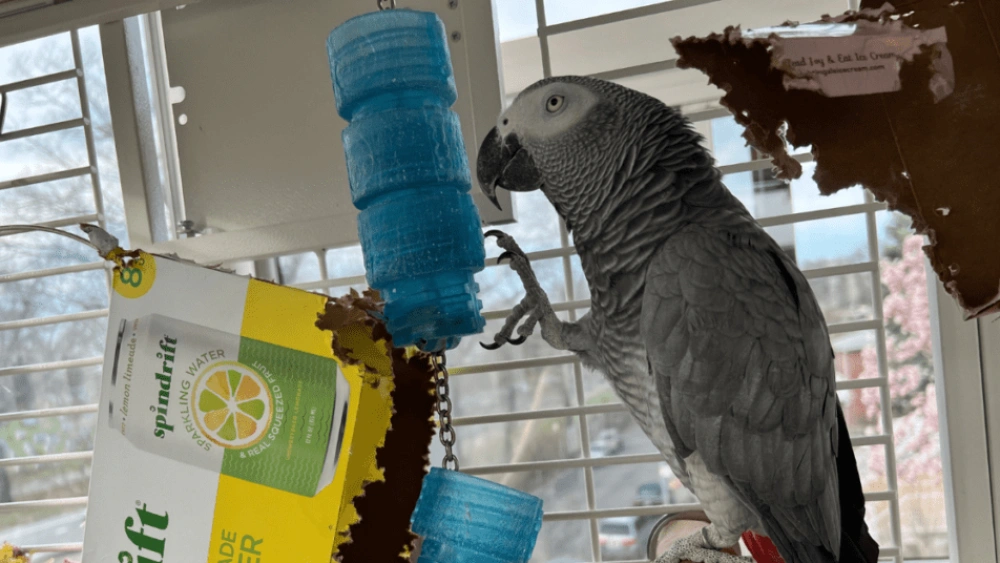
Are you looking for a fun and simple way to keep your small birds happy and entertained? Making foraging toys is a great way to stimulate their minds and encourage natural behaviors.
Plus, you can create these toys yourself at home with easy steps you’ll find on YouTube. You’ll discover how to make safe, engaging foraging toys that your feathered friends will love. Keep reading to unlock the secrets to boosting your bird’s happiness and health with DIY fun!
Credit: www.youtube.com
Benefits Of Foraging Toys
Foraging toys are more than just fun accessories for your small birds—they offer key benefits that improve their overall well-being. These toys engage your bird’s natural instincts, making their environment richer and more interesting. Understanding the benefits helps you see why adding foraging toys is a smart choice for any bird owner.
Mental Stimulation
Your bird’s mind craves challenges. Foraging toys provide puzzles that require thought, helping to keep their brain active and sharp.
When I added a simple homemade foraging toy for my budgie, I noticed it became more curious and alert. It wasn’t just playing; it was thinking and learning.
Could your bird benefit from a little mental workout? Giving them toys to figure out can prevent boredom and keep their cognitive skills strong.
Physical Exercise
Foraging toys encourage movement, which is essential for your bird’s health. Pecking, pulling, and climbing all help maintain muscle tone.
Watching my cockatiel work through a foraging toy reminds me how much activity they get without realizing it. This natural exercise supports their agility and balance.
Would your bird enjoy a more active day? These toys turn playtime into a workout, making it easier for your feathered friend to stay fit indoors.
Reducing Boredom
Boredom can lead to bad habits like feather plucking or excessive noise. Foraging toys keep your bird entertained and focused on a positive task.
When I introduced foraging toys, the change was noticeable—less restless behavior and more peaceful moments. It’s amazing how a simple toy can shift their mood.
Have you noticed signs of boredom in your bird? Adding foraging toys could be the key to a happier, calmer pet.

Credit: www.youtube.com
Materials Needed
Gathering the right materials is the first step to making foraging toys for small birds. These toys should be safe and engaging. Choosing natural and household items ensures birds stay healthy while playing. The tools help put everything together easily. Below are the main materials needed for this fun project.
Safe Natural Items
- Untreated wood pieces
- Natural fiber ropes like jute or sisal
- Small pine cones
- Clean coconut shells
- Bird-safe leaves or twigs
- Dried corn husks or seed pods
Household Supplies
- Empty cardboard tubes (toilet paper rolls)
- Paper cups or small containers
- Natural cotton fabric scraps
- Unbleached paper or paper towels
- Non-toxic glue or bird-safe adhesive
- Safe bird treats or seeds for stuffing
Tools Required
- Scissors with sharp blades
- Small hand drill or awl
- Needle and thread (optional)
- Measuring tape or ruler
- Sandpaper to smooth edges
- Clamps or clips to hold parts together
Step-by-step Diy Guides
Creating foraging toys for small birds is fun and rewarding. These toys keep birds active and curious. Simple materials can transform into engaging puzzles and treat holders. Follow these easy step-by-step DIY guides to make toys that your birds will love. Each project is designed for safety and simplicity.
Simple Paper Toy
Use plain paper or old newspapers for this toy. Cut strips about one inch wide and six inches long. Twist each strip into a loose spiral shape. Tie the spirals together with a small piece of string. Attach a clip or hook to hang the toy inside the cage. Hide small treats inside the spirals to encourage foraging. This toy is lightweight and easy to replace.
Pinecone Treat Holder
Find a clean pinecone with open scales. Wash it thoroughly and let it dry completely. Spread peanut butter or bird-safe paste on the pinecone’s scales. Roll the pinecone in birdseed or crushed nuts. Attach a string to the top for hanging. Birds will enjoy picking seeds from the pinecone’s crevices. This natural toy also smells fresh and attracts birds.
String And Bead Puzzle
Gather colorful wooden beads and strong bird-safe string. Thread beads randomly onto the string, leaving space between them. Tie knots at both ends to secure beads in place. Create multiple strings and braid them together for more complexity. Hang the puzzle vertically in the cage. Birds will pull and move beads to find hidden treats. This toy boosts problem-solving skills and keeps birds busy.
Tips For Safe Foraging
Creating foraging toys for your small birds is a wonderful way to stimulate their natural instincts and keep them entertained. However, safety should always be your top priority. Without careful attention, a fun activity can quickly turn into a health risk.
Avoiding Toxic Materials
Not all materials are safe for birds to chew or handle. Avoid plastics that may contain harmful chemicals, treated woods, and synthetic fibers. Instead, choose natural items like untreated wood, paper, and bird-safe grasses.
Remember, even some plants and seeds can be toxic. Have you checked which local plants are safe for birds? This knowledge protects your feathered friends from accidental poisoning.
Supervising Playtime
Never leave your birds unattended with new foraging toys. Watching how they interact lets you spot any potential dangers like choking hazards or materials breaking apart. Early supervision also helps you learn what your bird prefers, making your next toy even better.
Have you noticed how your bird’s curiosity can sometimes lead to risky behavior? Being present during play ensures you can intervene before a problem arises.
Cleaning And Maintenance
Foraging toys can quickly accumulate dirt, droppings, and mold. Clean them regularly using mild soap and warm water to keep your birds healthy. Avoid harsh chemicals that could leave residues harmful to your pets.
Check toys often for wear and tear. Replacing damaged parts prevents injuries and keeps the toys enjoyable. How often do you inspect your bird’s toys? Making it part of your routine can save you from unexpected emergencies.

Credit: www.youtube.com
Frequently Asked Questions
What Materials Are Safe For Bird Foraging Toys?
When making foraging toys, use bird-safe materials like untreated wood, paper, and natural fibers. Avoid materials with toxic chemicals, sharp edges, or small parts that could be ingested. Always ensure that the materials are durable and non-toxic, providing a safe and engaging experience for your small birds.
How Often Should I Change Foraging Toys?
Rotate foraging toys weekly to maintain your bird’s interest and stimulate mental engagement. Regularly changing toys prevents boredom and encourages natural foraging behaviors. By introducing new toys, you can provide different challenges, ensuring your bird stays active and entertained in a safe environment.
Can I Use Household Items For Bird Toys?
Yes, many household items can be used, like paper rolls and egg cartons. Ensure they are clean and free from harmful substances. Always monitor for wear and tear, replacing any damaged items promptly. Using household items creatively can offer an affordable way to enrich your bird’s environment.
Why Is Foraging Important For Small Birds?
Foraging encourages natural behaviors, keeping birds physically and mentally active. It helps prevent boredom, stress, and destructive behaviors. Providing foraging opportunities mimics their natural environment, promoting overall well-being. Engaging in foraging can also help maintain healthy weight and improve problem-solving skills in small birds.
Conclusion
Making foraging toys for small birds is fun and rewarding. These toys keep birds active and happy every day. Use simple materials found at home to create safe toys. Change toys often to keep birds curious and busy. Watch your birds explore and enjoy their new playthings.
Small efforts bring big smiles to your feathered friends. Start making toys today and see the joy it brings. Your birds will thank you with cheerful chirps and energy.